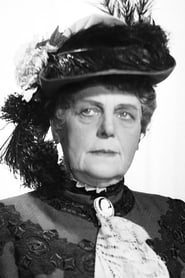
Wanda Jarszewska
Actor
Born: October 31, 1891 in Warsaw, Poland Died: May 22, 1960 Active: 1938-1938
Films
1 film
About Wanda Jarszewska
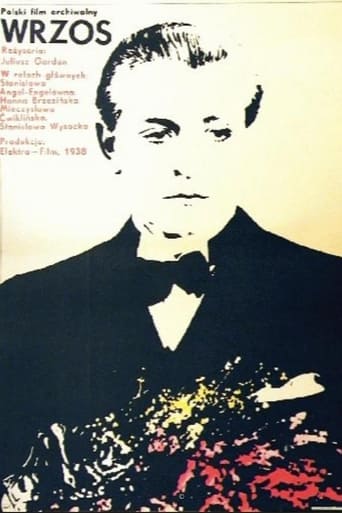
Wanda Jarszewska worked on one surviving credit: Wrzos (1938). Her most significant film role was in the 1938 drama 'Wrzos' (Heather), directed by Juliusz Gardan, which was one of the notable Polish productions of the interwar period. While her filmography appears limited to this single year of activity, she was part of the vibrant Polish film industry that was flourishing before World War II. The film 'Wrzos' itself was based on a novel by Maria Rodziewiczówna and dealt with themes of rural Polish life, social issues, and romantic entanglements. Jarszewska's performance contributed to the film's authentic portrayal of Polish society during this era. Like many actors of her generation, her career was likely interrupted by the outbreak of World War II in 1939, which devastated the Polish film industry. Her work represents a window into the golden age of Polish cinema before the war's destruction.
The Craft
On Screen
While limited documentation exists about her specific acting technique, actors in 1930s Polish cinema typically employed a blend of theatrical tradition and emerging naturalistic film acting. Her performance in 'Wrzos' would have reflected the realistic style favored in Polish social dramas of the era, focusing on authentic character portrayals rather than melodramatic exaggeration.
Milestones
- Appeared in the classic Polish film 'Wrzos' (1938)
- Part of the pre-war Polish film industry
- Contributed to the golden age of Polish cinema
Best Known For
Iconic Roles
Must-See Films
Working Relationships
Worked Often With
Why They Matter
Impact on Culture
Wanda Jarszewska's contribution to Polish cinema, though brief, represents the important work of character actresses who helped create the authentic social fabric of pre-war Polish films. Her appearance in 'Wrzos' places her within the context of a film that captured Polish rural life and social dynamics during a crucial period of the nation's cultural development. The film itself is considered part of the canon of classic Polish cinema, and all performers who contributed to it helped preserve a visual record of Polish society before the cataclysm of World War II.
Lasting Legacy
As a participant in one of the significant Polish films of the late 1930s, Wanda Jarszewska's legacy is tied to the preservation of Poland's cinematic heritage from the pre-war era. Her work, along with that of her contemporaries, serves as historical documentation of Polish culture, language, and society during the Second Polish Republic. The film 'Wrzos' remains an important artifact for understanding Polish cinema's development and the social themes that preoccupied Polish filmmakers and audiences before the war.
Who They Inspired
Due to the limited scope of her documented film work, specific influences on other actors or filmmakers are not readily traceable. However, like all actors who worked in this foundational period of Polish cinema, she contributed to establishing the traditions and standards that would influence subsequent generations of Polish performers.
Off Screen
Wanda Jarszewska lived through a transformative period in Polish history, from the interwar independence era through World War II and into the communist period. Her brief film career coincided with the final years of Poland's pre-war independence. Like many Polish artists of her generation, she would have experienced the challenges of working under both Nazi occupation during WWII and later under communist rule. Her life spanned from the late Austro-Hungarian Empire period through the establishment of communist Poland.
Education
While specific educational details are not documented, actresses of her generation in Poland typically received training through theater schools, conservatories, or through apprenticeship systems with established theater companies.
Did You Know?
- Her entire documented film career spans only one year (1938)
- 'Wrzos' was based on a novel by popular Polish writer Maria Rodziewiczówna
- The film 'Wrzos' was released just one year before the Nazi invasion of Poland
- 1938 was near the peak of the Polish film industry before WWII
- Many Polish actors from this era had their careers interrupted or ended by WWII
- The film 'Wrzos' dealt with themes of rural Polish life and class differences
- Pre-war Polish cinema was known for its high artistic quality despite limited resources
- Many Polish actresses of her era also worked extensively in theater
- The late 1930s saw the emergence of sound films in Poland
- Polish cinema of this period often focused on national and social themes
Frequently Asked Questions
Who was Wanda Jarszewska?
Polish actress active in the late 1930s, best known for her appearance in the classic Polish film 'Wrzos' (1938). Her film career was brief but placed her within the important pre-war Polish cinema tradition.
What films is Wanda Jarszewska best known for?
Titles linked here include Wrzos (1938).
When was Wanda Jarszewska born and when did she die?
Born October 31, 1891; died May 22, 1960.
What awards did Wanda Jarszewska win?
There are no documented awards or nominations for Wanda Jarszewska, which was not uncommon for character actresses of her era, particularly those with brief film careers.
What was Wanda Jarszewska's acting style?
While specific details about her acting technique are limited, she would have employed the realistic style characteristic of 1930s Polish cinema, focusing on authentic character portrayal rather than theatrical exaggeration.