Peter Lykke-Seest
Director
Born: November 16, 1868 in Christiania (now Oslo), Norway Died: September 4, 1948 Active: 1919-1919 Birth Name: Peter Severin Lykke-Seest
Films
1 film
About Peter Lykke-Seest
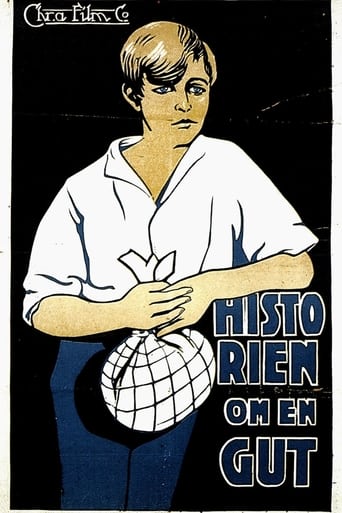
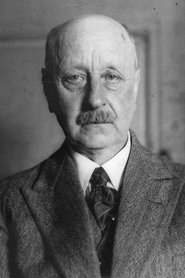
Norwegian film director who emerged during the formative years of Norwegian cinema. His most significant contribution to film history was directing 'Historien om en gut' (The Story of a Boy) in 1919, which stands as one of Norway's earliest surviving feature films. Lykke-Seest worked during the silent era, a period when Norwegian filmmakers were establishing their national cinematic identity separate from the dominant influences of Swedish and German cinema. His directorial approach emphasized naturalistic performances and location shooting, which was relatively innovative for the time. Although his active period in film appears to have been brief, concentrated primarily around 1919, his work helped lay the groundwork for future Norwegian filmmakers. The film 'Historien om en gut' is particularly noted for its sensitive portrayal of childhood and its use of Norwegian landscapes as integral elements of the storytelling. Beyond his directing work, Lykke-Seest was part of the early film community in Norway that struggled with limited resources and a small domestic market, making any artistic achievement during this period particularly significant.
The Craft
Behind the Camera
Peter Lykke-Seest's directing style was characterized by a focus on naturalism and emotional authenticity, particularly in his portrayal of childhood experiences. He favored location shooting in the Norwegian countryside, using the dramatic landscapes not merely as backdrops but as active elements in the narrative that reflected the characters' emotional states. His approach to pacing was deliberate and contemplative, allowing scenes to unfold without the rushed editing common in many contemporary films of the period. Lykke-Seest demonstrated a particular sensitivity in directing child actors, extracting performances that felt genuine and unforced, which was rare for the era. His visual composition often employed wide shots to establish the relationship between characters and their environment, creating a sense of isolation and connection to nature that became a hallmark of early Norwegian cinema.
Milestones
- Directed 'Historien om en gut' (1919), one of Norway's earliest surviving feature films
- Contributed to the development of Norwegian national cinema during the silent era
- Pioneered naturalistic acting styles in Norwegian film
Best Known For
Must-See Films
Accolades
Special Recognition
- Recognized in Norwegian film history as an important early director
- 'Historien om en gut' preserved as part of Norway's national film heritage
Why They Matter
Impact on Culture
Peter Lykke-Seest's cultural impact lies primarily in his contribution to establishing a distinctly Norwegian cinematic language during the silent era. At a time when Norwegian cinema was heavily influenced by its larger neighbors, particularly Sweden and Germany, Lykke-Seest's work helped demonstrate that Norwegian stories and landscapes could form the basis of compelling national cinema. His film 'Historien om en gut' is particularly significant for its portrayal of Norwegian childhood and rural life, helping to create visual archetypes that would influence subsequent Norwegian filmmakers. The preservation of his work has allowed modern scholars and audiences to understand the aesthetic concerns and technical capabilities of early Norwegian cinema. His naturalistic approach to directing, especially with child actors, represented an alternative to the more theatrical styles common in European cinema of the period.
Lasting Legacy
Peter Lykke-Seest's legacy endures through his single surviving film 'Historien om en gut,' which serves as an important artifact of Norway's cinematic heritage. While his career was brief and his output limited, his work represents the aspirations and artistic achievements of Norway's first generation of filmmakers. The film continues to be studied by film historians interested in the development of national cinemas and the evolution of film language during the silent era. Lykke-Seest is remembered as part of the foundation upon which later Norwegian masters such as Tancred Ibsen and Arne Mattsson would build. His commitment to telling Norwegian stories with Norwegian settings helped establish the precedent that Norwegian cinema could and should reflect its own culture and landscape rather than imitating foreign models.
Who They Inspired
Peter Lykke-Seest's influence on subsequent Norwegian cinema can be seen in the continued importance of landscape as a narrative element in Norwegian filmmaking. His naturalistic approach to directing, particularly with non-professional or child actors, provided a model for later Norwegian directors seeking authentic performances. The visual language he helped develop, emphasizing the relationship between characters and their environment, became a recurring theme in Norwegian cinema throughout the 20th century. While he may not have directly mentored other filmmakers, his work as preserved in 'Historien om en gut' served as inspiration and reference for later generations of Norwegian directors interested in their national cinematic heritage. The film's survival and continued study means that Lykke-Seest continues to influence how we understand and appreciate the origins of Norwegian cinema.
Off Screen
Peter Lykke-Seest was born into a prominent Norwegian family in Christiania (now Oslo) during the period of Norwegian national awakening. Beyond his brief film career, he was known to have had connections to the artistic and intellectual circles of late 19th and early 20th century Norway. His family life included marriage and children, though specific details about his personal relationships remain somewhat obscure in historical records. The fact that he began his film career relatively late in life, at age 51, suggests that filmmaking may have been either a second career or a passionate pursuit he undertook after establishing himself in another field. His death in 1948 came just as the Norwegian film industry was beginning to recover and rebuild after the challenges of World War II.
Did You Know?
- Began his film career at the relatively advanced age of 51
- His only known surviving film 'Historien om en gut' is over 100 years old
- The film was produced during a challenging period for Norwegian cinema, when domestic production was limited
- Lykke-Seest came from a prominent Norwegian family with the surname Lykke-Seest
- His film focuses on a coming-of-age story, a theme that would remain popular in Norwegian cinema
- The film's survival is remarkable given that many Norwegian films from this period have been lost
- His directing style showed influences from both Scandinavian and German cinematic traditions of the era
- The film was made just after World War I, during a period of cultural reevaluation in Norway
Frequently Asked Questions
Who was Peter Lykke-Seest?
Norwegian on YTB.my. He was one of the figures in early Norwegian cinema, contributing to the development of a national film identity during the formative years of the industry.
What films is Peter Lykke-Seest best known for?
Titles linked here include Historien om en gut (1919).
When was Peter Lykke-Seest born and when did he die?
Born November 16, 1868; died September 4, 1948.
What awards did Peter Lykke-Seest win?
There are no recorded major awards or nominations for Peter Lykke-Seest's work, which was common for filmmakers working in Norway during the silent era before formal award systems were established. His recognition comes primarily from his historical importance in Norwegian cinema.
What was Peter Lykke-Seest's directing style?
Peter Lykke-Seest's directing style emphasized naturalism and emotional authenticity, particularly in his portrayal of childhood. He favored location shooting in Norwegian landscapes, using them as integral elements of storytelling, and demonstrated sensitivity in directing child actors to achieve genuine performances.