
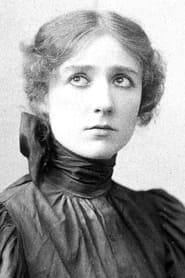
Nance O'Neil
Actor
Born: October 8, 1874 in Oakland, California, USA Died: February 24, 1965 Active: 1890s-1930s Birth Name: Nancy O'Neil
Films
4 films


About Nance O'Neil
Nance O'Neil, born Nancy O'Neil, was an American actress who achieved remarkable success primarily on the Broadway stage during the late 19th and early 20th centuries. She began her theatrical career in the 1890s and quickly rose to prominence, becoming respected dramatic actresses of her era. Her powerful stage presence and emotional depth made her a favorite among theater critics and audiences alike. While her stage several decades and included numerous acclaimed productions, she ventured into film only briefly during the early sound era. Her most notable film appearance was in the comedy 'The Royal Bed' (1931), where she showcased her theatrical training adapted for the screen. After her husband's death in 1933, she gradually withdrew from public performances, though she remained a respected figure in theatrical circles until her passing in 1965.
The Craft
On Screen
Classical theatrical style with dramatic intensity, emotional depth, and commanding stage presence. Her technique was rooted in 19th-century theatrical traditions, emphasizing clear diction, expressive gestures, and powerful vocal projection.
Milestones
- Broadway stardom in early 1900s
- Critical acclaim for dramatic roles
- Transition to early sound films
- The Royal Bed (1931) film appearance
- Leading lady in numerous theatrical productions
Best Known For
Iconic Roles
Must-See Films
Accolades
Special Recognition
- Recognized as one of Broadway's leading actresses of the early 20th century
Working Relationships
Worked Often With
Studios
Why They Matter
Impact on Culture
Nance O'Neil represented the transition from 19th-century theatrical traditions to modern performance styles. Her success as a leading lady on Broadway helped establish standards for dramatic acting that influenced subsequent generations of performers. Though her film career was brief, her work in early sound films demonstrated how classical stage training could be adapted to the new medium of talking pictures.
Lasting Legacy
Nance O'Neil is remembered as a significant figure in American theater history, particularly for her contributions to Broadway during its formative years. Her active years covered a crucial period of theatrical development, from the Victorian era through the early days of cinema. While not as widely remembered today as some of her contemporaries, theatrical historians recognize her as a talented performer who helped shape American dramatic performance.
Who They Inspired
Her classical approach to acting influenced younger performers who worked with her on stage. The emotional authenticity and technical precision she brought to her roles set standards for dramatic performance that continued to be relevant even as acting styles evolved. Her brief film work also served as a bridge between theatrical and cinematic acting techniques.
Off Screen
Nance O'Neil married fellow actor Harry D. Smith in 1908, and their marriage lasted until his death in 1933. The couple had no children. After her husband's passing, she largely retired from public performance and lived a more private life. She maintained connections with theatrical circles and was remembered fondly by colleagues who respected her contributions to American theater.
Education
Limited formal education; trained primarily through practical experience in theater companies and through mentorship from established actors of her time.
Family
- Harry D. Smith (1908-1933)
Did You Know?
- Often credited as 'Nance' rather than 'Nancy' in professional contexts
- Primarily known as a stage actress with only a handful of film appearances
- The Royal Bed (1931) was one of her few film roles during the transition to sound
- Considered
- Her stage active years covered over four decades
- Retired from performing shortly after her husband's death
- Maintained a low public profile in her later years
- Represented the classic theatrical tradition in early American cinema
Frequently Asked Questions
Who was Nance O'Neil?
Prominent American actress who achieved fame primarily on Broadway during the late 19th and early 20th centuries. She was known for her dramatic roles and powerful stage presence, though she also appeared briefly in early sound films including The Royal Bed (1931).
What films is Nance O'Neil best known for?
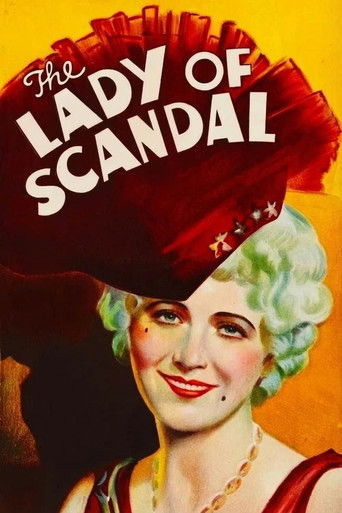
Titles linked here include The Royal Bed (1931), The Woman Who Dared (1933).
When was Nance O'Neil born and when did she die?
Born October 8, 1874; died February 24, 1965.
What awards did Nance O'Neil win?
While there are no major recorded awards for Nance O'Neil, she was widely recognized as one of Broadway's leading dramatic actresses of her era. Her acclaim came primarily from theater critics and audiences who praised her powerful performances and emotional depth.
What was Nance O'Neil's acting style?
Nance O'Neil's acting style was rooted in classical theatrical traditions, characterized by dramatic intensity, emotional authenticity, and technical precision. She brought 19th-century theatrical techniques to her performances, emphasizing clear diction and expressive gestures that commanded attention on stage.