Charlotte Greenwood
Actor
- Born
- June 22, 1890, Philadelphia, Pennsylvania, USA
- Died
- January 28, 1978
- Active
- 1910s-1950s
Films 1
About Charlotte Greenwood
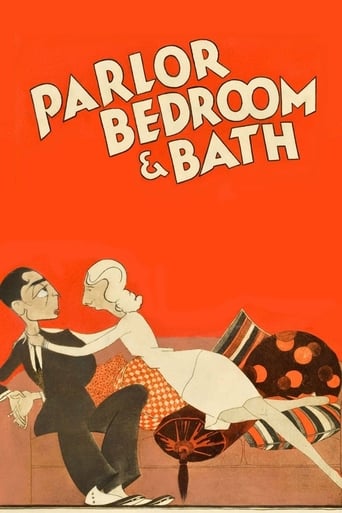
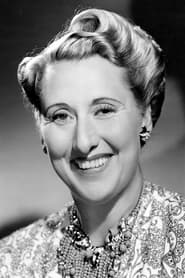
Charlotte Greenwood was an American stage and film comedienne, dancer, and character actor best remembered for her tall, gangly physical comedy, irrepressible energy, and extraordinarily expressive legs, which became a signature part of her stage and screen persona. Born in Philadelphia, she began performing in vaudeville and musical theater, where her comic timing and athletic dancing quickly made her a standout, especially in revue-style entertainment and Broadway productions. By the early sound era she had moved into films, appearing in pictures such as Parlor, Bedroom and Bath (1931), and she remained a familiar supporting presence in Hollywood throughout the 1930s and 1940s, often cast as boisterous, warm-hearted, eccentric, or maternal figures. Greenwood was especially associated with musical comedies and farcical roles that allowed her to combine physical humor with a distinctive personality that audiences immediately recognized. Her screen career complemented a longer and more prominent stage career, and she frequently returned to Broadway and touring productions even while working in Hollywood. She was also widely admired for transforming her unusual physicality into a comic asset rather than a limitation, helping to redefine how women could be presented in comedy and musical performance. Greenwood’s legacy endures as that of a singular entertainer whose vaudeville roots and musical-theater training gave classic Hollywood one of its most memorable comic personalities.
More about Charlotte Greenwood
On screen
Charlotte Greenwood’s acting style was rooted in vaudeville, musical comedy, and broad physical humor, with emphasis on timing, body movement, and a highly expressive face. She was famous for turning her long limbs and rangy frame into comic advantages, using exaggerated gestures, high kicks, and offbeat movement to generate laughter. Her performances often blended brassy confidence with a lovable, slightly eccentric warmth, making her effective both in farce and in musical numbers. She could play loud, domineering, flirtatious, or maternal characters, but always with a strong sense of rhythm and comic control. Her style was less about subtle screen realism than about polished theatricality adapted for film.
In film history
Charlotte Greenwood made a lasting cultural impression as one of the most distinctive comic women of early- and mid-20th-century American entertainment. At a time when female performers were often expected to emphasize glamour or romance, she demonstrated that a woman could be uproariously funny, physically daring, and unapologetically unconventional while still becoming a beloved star. Her lanky body, famously flexible legs, and energetic stage presence became part of the visual vocabulary of American comedy, and audiences came to associate her with a brand of exuberant, resilient femininity. In film, she contributed to the popular success of musical comedies and supporting-character ensembles by bringing live-theater energy into the sound era. She also helped bridge vaudeville and Hollywood, carrying the traditions of variety performance into mainstream cinema and preserving them for later audiences.
Later reputation
Greenwood’s legacy rests on her singular identity as a comic performer whose personality was so strong it became her artistic calling card. She remains a touchstone for discussions of vaudeville-derived screen acting and for the history of women in physical comedy, where her performances expanded the range of acceptable female screen behavior beyond sweetness and sophistication. Film historians remember her as a consummate trouper whose best work lies in the intersection of Broadway polish and movie-era accessibility. Though she was never positioned as a conventional leading lady, her supporting roles were often scene-stealing, and she left an imprint on musical cinema that endures in restored prints, classic-film retrospectives, and performance studies. Her career exemplifies how a distinctive comic persona can sustain a long and respected career across stage and screen.
Influence
Charlotte Greenwood influenced later comic performers by demonstrating the value of physical specificity and fearless movement in screen comedy. Her style anticipated later actresses and comediennes who used bodily expressiveness, height, awkwardness, or eccentricity as strengths rather than liabilities. She also helped normalize the idea that women in comedy could be loud, broad, and energetically physical without losing audience affection. In the history of musical films, her performances helped define the lively supporting-player tradition that enriched studio-era entertainment and kept vaudeville energy alive on screen.
Off screen
Charlotte Greenwood was known for keeping much of her private life out of the public eye, especially compared with many film personalities of her era. She built her reputation primarily through her work rather than through celebrity scandal, and she was widely regarded as a professional performer with strong theatrical discipline. Her long career suggests a life centered on show business, moving between vaudeville, Broadway, touring productions, and Hollywood. Publicly documented personal details are relatively sparse in standard film references, but she is remembered as someone who maintained a durable and independent career in a highly competitive industry.
Education
Formal educational background is not well documented in standard film references; she is best known as a performer trained through vaudeville and stage experience rather than through conservatory schooling.
Credits
- Became a notable vaudeville and Broadway performer before entering motion pictures
- Established a screen persona in early sound comedies through her physical humor and musical timing
- Appeared in Parlor, Bedroom and Bath (1931), one of her early film roles in the talkie era
- Worked in major studio features and musical films across the 1930s and 1940s as a dependable comic supporting player
- Maintained a parallel stage career that kept her associated with live comedy, musical theater, and touring productions
- Became known for a distinctive style of athletic dancing and elastic physical comedy that made her instantly recognizable
- Helped popularize a type of broad, energetic female comic performance in American entertainment
Roles
- Broad comic supporting women in musical comedies
- Eccentric, high-energy socialite or matron figures
- Warm but forceful maternal characters
- Farcical stage and screen comedienne roles
- Physical-comedy specialty performer
Films
- Parlor, Bedroom and Bath (1931)
- Flying High (1931)
- So This Is Africa (1933)
- Mother Wore Tights (1947)
- The Harvey Girls (1946)
- Down Argentine Way (1940)
Collaborators
- Various Broadway and Hollywood musical-comedy ensembles
- Studio-era directors of musical and farcical comedies
- Supporting casts in 1930s and 1940s screen musicals
Studios
- 20th Century-Fox
- MGM
- Warner Bros.
- Paramount
Family
- William N. P. Burroughs (married 1919; later divorced)
Notes
- She was especially famous for the comic use of her long legs, which became part of her public identity.
- Greenwood began in vaudeville and stage performance before becoming known in films.
- She was a popular Broadway performer as well as a Hollywood character actor.
- Her screen persona often balanced toughness, humor, and warmth.
- She was frequently cast in musical comedies where physical movement mattered as much as dialogue.
- She remained active across several decades of entertainment, spanning the transition from silent-era stage traditions into sound films.
- Despite her comic image, she was widely respected as a disciplined and highly professional performer.
- She is remembered as one of the more unusual and memorable female comic personalities of classic Hollywood.
Questions
Who was Charlotte Greenwood?
Charlotte Greenwood was an American stage and film comedienne best known for her energetic physical comedy, musical-theater background, and highly distinctive screen presence. She built a long career in vaudeville, Broadway, and Hollywood, becoming one of the memorable comic supporting players of classic American entertainment.
What films is Charlotte Greenwood best known for?
She is especially remembered for early sound-era and musical-comedy films such as Parlor, Bedroom and Bath (1931), Flying High (1931), So This Is Africa (1933), The Harvey Girls (1946), Down Argentine Way (1940), and Mother Wore Tights (1947). These films showcase her comic timing and physical style.
When was Charlotte Greenwood born and when did she die?
Charlotte Greenwood was born on June 22, 1890, in Philadelphia, Pennsylvania, USA. She died on January 28, 1978.
What awards did Charlotte Greenwood win?
No major competitive awards or major formal nominations are prominently documented in standard classic-film references. Her recognition came primarily through popularity, longevity, and her reputation as a standout comic performer.
What was Charlotte Greenwood's acting style?
Her acting style was broad, physical, and rooted in vaudeville and musical comedy. She used gesture, timing, movement, and facial expression to create humor, often turning her long limbs and energetic stage manner into signature comic effects.
What was Charlotte Greenwood's legacy in film history?
Her legacy is that of a uniquely memorable comic performer who brought stage-based physical comedy into early Hollywood sound films. She expanded the range of female comic performance and remains a favorite among classic-film fans for her exuberant, scene-stealing presence.