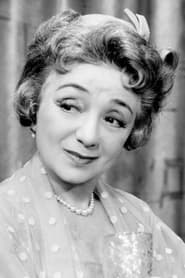
Molly Picon
Actor
- Born
- February 28, 1898, Philadelphia, Pennsylvania, USA
- Died
- April 5, 1992
- Active
- 1910s-1980s
- Birth name
- Molly Endel Picon
Films 1
About Molly Picon
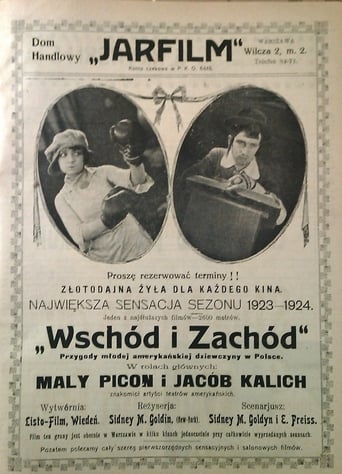
Molly Picon was an American stage and screen actress, singer, and comedian best known as one of the great stars of Yiddish theater and as a beloved character performer who bridged vaudeville, Broadway, and film. Born in Philadelphia, she began performing as a child and quickly developed a distinctive comic persona built on energy, charm, sharp timing, and a deep command of dialect and song. In the silent era she appeared in motion pictures such as East and West (1923), helping bring Yiddish-language and Yiddish-themed performance to the screen at a time when ethnic cinema had a major audience in immigrant communities. Over the decades she became internationally famous through stage work, radio, recordings, and later sound films, especially for roles that highlighted her comic resilience and emotional warmth. She was also celebrated on Broadway, notably for Fiddler on the Roof, where her performance helped define the role of Yente for modern audiences. Picon worked well into old age, remaining a cultural icon in Jewish entertainment and a rare example of a performer whose fame spanned multiple media and generations. Her career is especially important in classic cinema history because she represents the vitality of non-Hollywood ethnic film culture alongside mainstream American screen comedy.
More about Molly Picon
On screen
Molly Picon's acting style was highly expressive, quick-witted, and rooted in vaudeville precision, comic timing, and musical performance. She often blended broad comedy with sentimental warmth, using physical agility, vocal color, and dialect-inflected delivery to create vivid character portraits. On screen and stage, she projected an approachable charm that made even small or comic roles feel emotionally lived-in. Her performances frequently relied on audience rapport, an inherited quality from live ethnic theater and vaudeville traditions. She was especially admired for making humor coexist with pathos, a hallmark of her best-known roles.
In film history
Molly Picon was a central figure in the preservation and popularization of Yiddish-language performance in American entertainment. At a time when immigrant audiences were building their own film and theater cultures, she helped make Yiddish comedy, music, and sentiment visible on screen and stage, giving those communities a star whose appeal crossed generations. Her work in films such as East and West placed her within the history of ethnic cinema, a crucial but often underrepresented branch of early film culture. She also became a recognizable bridge between old-world theatrical traditions and mainstream American entertainment, especially through Broadway and later television appearances. Because she sustained her popularity for so many decades, she became a living link to the silent era, vaudeville, and the golden age of immigrant performance.
Later reputation
Picon's legacy rests on her status as one of the most beloved and enduring figures in Jewish entertainment history. She preserved the styles, humor, and emotional textures of Yiddish theater in forms that could reach film audiences, Broadway audiences, and later television viewers. Her performances helped define how Jewish women could be portrayed on stage and screen: comic, resilient, affectionate, and commanding rather than merely ornamental. She remains an essential figure for scholars of silent-era ethnic cinema and for historians of American theater, because her career spans the transition from live immigrant theater to modern mass entertainment. Even where her name is less familiar to general audiences, her influence survives in the traditions of character comedy, musical theater, and culturally specific performance that she helped legitimate and popularize.
Influence
Molly Picon influenced performers who valued comic timing, dialect performance, and the fusion of humor with heartfelt sentiment. She showed that ethnic and language-specific entertainment could have broad emotional power and lasting artistic value, helping pave the way for later Jewish American stage and screen performers. Her Yente in Fiddler on the Roof became a touchstone for subsequent interpretations of the role, and her larger career helped normalize older female comic performers as central cultural figures rather than side attractions. She also influenced the presentation of Yiddish culture in American popular entertainment by proving that it could thrive in film, theater, and recordings alike.
Off screen
Molly Picon was born into a Jewish family in Philadelphia and began performing at an early age, which shaped her entire life as an entertainer. She married theatrical performer Jacob Kalich, and the partnership was both personal and professional; he was an important figure in her career and in the development of her stage work. Their marriage was famously private and long-lasting, and she remained deeply connected to Jewish cultural life throughout her career. She had no widely documented children. Her life was centered on performance, travel, and sustaining a repertory of stage and screen appearances that kept her in the public eye for decades.
Education
Formal education details are not prominently documented; she was largely trained through early professional performance, stage work, and the practical apprenticeship of vaudeville and Yiddish theater.
Credits
- Began performing professionally as a child and became a major figure in Yiddish vaudeville and theater
- Appeared in the silent film East and West (1923), one of her best-known early screen works
- Became an enduring star of Yiddish stage and screen entertainment in the United States and abroad
- Achieved wider mainstream recognition through recordings, radio, television, and later sound films
- Created a widely acclaimed Broadway portrayal of Yente in Fiddler on the Roof and continued in the role for years
- Received lasting recognition as one of the most important performers in Jewish American entertainment history
Roles
- Yente in Fiddler on the Roof
- Comic Yiddish stage and screen ingenues and matriarchal characters
- The lead in East and West (1923)
Films
- East and West (1923)
- The Song of the Road (1937)
- Yidl Mitn Fidl (1936)
- Mamele (1938)
- Molly (1938)
- The Cantor's Son (1937)
Awards
- Tony Award for Best Featured Actress in a Musical for Fiddler on the Roof (1962)
Nominations
- Tony Award nomination for Fiddler on the Roof (1964 revival-related recognition is commonly associated with the production, but individual nomination details vary in published sources)
- Additional honors and citations from Jewish cultural organizations and theater institutions
Honors
- Star on the Hollywood Walk of Fame
- Inducted into the American Theater Hall of Fame
- Broad recognition as a major figure in Yiddish theater and Jewish-American entertainment
- Lifetime tributes from theatrical and Jewish cultural organizations
Collaborators
- Jacob Kalich
- Yiddish theater and film performers and producers associated with immigrant Jewish entertainment
- Broadway collaborators on Fiddler on the Roof
Studios
- Independent Yiddish-language and ethnic film productions
- Various stage and touring companies
- Broadway productions
Family
- Jacob Kalich (1919-1971)
Notes
- She began performing professionally as a child, making her one of the long-lived child-to-adult stars of early American entertainment.
- Her screen appearance in East and West (1923) is a key example of early Yiddish/ethnic cinema.
- She was known for a compact, energetic stage persona that made her seem much younger than her years for much of her career.
- She remained active in performance for many decades, long after the silent film era ended.
- Her role as Yente in Fiddler on the Roof became so associated with her that it is among her most enduring mainstream associations.
- She was admired for keeping Yiddish-language performance alive in an era when many other ethnic theater traditions were disappearing from the mainstream.
- Her career extended across theater, silent film, sound film, radio, recordings, and television.
- She and Jacob Kalich were one of the notable theatrical couples in Yiddish-American entertainment.
Quotes
I am a Yiddish actress, and proud of it.
A performance should have heart as well as humor.
Questions
Who was Molly Picon?
Molly Picon was an American actress, singer, and comedian best known for her work in Yiddish theater, silent film, Broadway, and later television. She became one of the defining performers of Jewish American entertainment and remained active for many decades.
What films is Molly Picon best known for?
Her best-known film work includes East and West (1923), Yidl Mitn Fidl (1936), The Song of the Road (1937), Mamele (1938), and Molly (1938). She is also remembered for later screen appearances that reinforced her status as a beloved character performer.
When was Molly Picon born and when did she die?
Molly Picon was born on February 28, 1898, in Philadelphia, Pennsylvania, USA. She died on April 5, 1992.
What awards did Molly Picon win?
Her most notable major award was the Tony Award for Best Featured Actress in a Musical for Fiddler on the Roof. She also received a Hollywood Walk of Fame star and significant honors from theater and Jewish cultural organizations.
What was Molly Picon's acting style?
Her style combined vaudeville precision, musicality, physical comedy, and strong emotional warmth. She was especially effective at blending humor and pathos, making her characters both funny and deeply human.
Why is Molly Picon important to classic cinema history?
She is important because she represents the intersection of silent film and ethnic cinema, especially Yiddish-language film culture. Her screen work helped preserve a vibrant theatrical tradition that might otherwise have been lost to mainstream film history.