
Thornton Freeland
Director
Born: February 10, 1898 in Hope, North Dakota, USA Died: May 22, 1987 Active: 1924-1949
Films
1 film
About Thornton Freeland
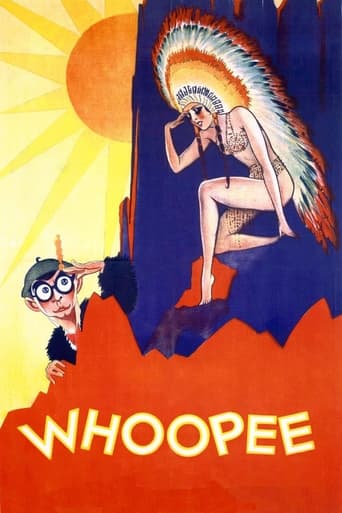
Prolific American film director: the pivotal transition from silent films to the Golden Age of Hollywood and the British film boom. Born in Hope, North Dakota, he began his journey in the industry as a stage actor and errand boy at Vitagraph Studios before ascending to assistant director roles for notable filmmakers like Roland West. Freeland achieved significant early success with the 1930 Technicolor musical 'Whoopee!', starring Eddie Cantor, which established him as a specialist in high-energy comedies and musicals. His most enduring contribution to cinema history came in 1933 when he directed 'Flying Down to Rio', the film that famously introduced the screen partnership of Fred Astaire and Ginger Rogers. In the mid-1930s, Freeland moved to the United Kingdom, where he became a key figure in the British film industry, directing major stars such as Douglas Fairbanks Jr. And Paul Robeson. He continued to work internationally until his retirement in 1949, leaving behind a legacy of technically proficient and commercially successful entertainment.
The Craft
Behind the Camera
Freeland was known for his versatility and technical competence, particularly in the demanding genres of early sound musicals and comedies. He possessed a keen eye for visual spectacle, as evidenced by his work on 'Whoopee!' and the elaborate dance sequences in 'Flying Down to Rio'. His directing style often emphasized brisk pacing and the charismatic performances of his leads, and he was noted for his ability to manage large-scale international productions, including location shooting in the Sahara desert for 'Jericho'.
Milestones
- Directed 'Whoopee!' (1930), a major early Technicolor musical success
- Directed 'Flying Down to Rio' (1933), the first screen pairing of Astaire and Rogers
- Transitioned successfully to the British film industry in 1935
- Directed the ambitious desert drama 'Jericho' (1937) starring Paul Robeson
- Worked as an assistant director on the silent classic 'The Divine Lady' (1928)
Best Known For
Must-See Films
Accolades
Special Recognition
- Recognized as a pioneer of the early sound musical era
- Credited with launching the Astaire-Rogers partnership
Working Relationships
Worked Often With
Studios
Why They Matter
Impact on Culture
Thornton Freeland played a crucial role in shaping the early sound musical, a genre that helped define 1930s cinema. By directing 'Flying Down to Rio', he inadvertently changed the course of dance on film, as the chemistry between Fred Astaire and Ginger Rogers became the gold standard for movie musicals. His work in Britain also helped bridge the gap between Hollywood production values and the burgeoning UK film market, facilitating a period of international co-operation and talent exchange.
Lasting Legacy
Freeland's legacy is primarily tied to his status as the man who first paired Astaire and Rogers,. While he may not be as widely discussed as some of his contemporaries today, his technical skill during the difficult transition to sound and his success in both the American and British studio systems mark him as a significant figure of the era. His films remain essential viewing for scholars of the early musical and 1930s international cinema.
Who They Inspired
His early use of Technicolor and large-scale musical numbers influenced the development of the 'backstage musical' and the spectacle-driven films of the 1930s. Directors of later musical comedies drew upon the lighthearted, fast-paced template he helped establish at RKO and United Artists.
Off Screen
Freeland was married to the American actress and singer June Clyde from 1930 until her death in 1987. The couple often worked in the same circles, with Clyde also finding significant success in the British film industry during the 1930s. They were known as a devoted Hollywood couple who successfully navigated the challenges of working abroad as expatriates.
Education
Barnstormed as a stage actor from boyhood; gained practical film education through the studio system starting as an errand boy at Vitagraph.
Family
- June Clyde (1930–1987)
Did You Know?
- He was nicknamed 'T' by his friends and colleagues in the industry.
- During the filming of 'Jericho' in 1937, Freeland and his crew were lost in the Sahara desert for six weeks, causing international headlines.
- He began his career as an errand boy at Vitagraph Studios in his mid-teens.
- His first film as a director was a sound remake of 'Three Live Ghosts' in 1929.
- He retired from the film industry in 1949 and lived for nearly four more decades in Florida.
- He directed Spencer Tracy in one of the actor's early roles in 'Six Cylinder Love' (1931).
- His wife, June Clyde, appeared in his 1931 film 'The Secret Witness'.
In Their Own Words
Sorry to miss Christmas with my baby. Longing to see you love. (Telegram sent to wife June Clyde after being lost in the Sahara, 1937)
Frequently Asked Questions
Who was Thornton Freeland?
Prominent American on YTB.my. He is best remembered for directing major early sound musicals and for his work in both Hollywood and the British film industry.
What films is Thornton Freeland best known for?
Titles linked here include Whoopee! (1930), Flying Down to Rio (1933).
When was Thornton Freeland born and when did he die?
Born February 10, 1898; died May 22, 1987.
Did Thornton Freeland win any Academy Awards?
While Freeland directed several commercially and critically successful films, he did not receive any individual Academy Award wins or nominations during his career.
What was Thornton Freeland's directing style?
Freeland — versatile director known for his technical proficiency in musicals and comedies. He specialized in brisk, entertaining films that highlighted the charisma of his stars and the visual grandeur of the early sound era.
Was Thornton Freeland involved in any scandals?
He was not involved in traditional scandals, but he became a sensation in 1937 when he and his film crew disappeared in the Sahara Desert for six weeks while filming 'Jericho', leading to fears for their lives.