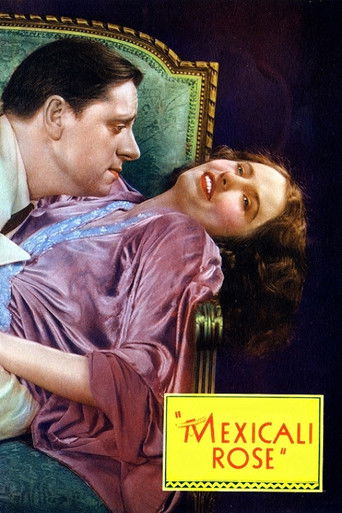
Films
1 film
About Julia Bejarano
Actress who appeared during the transitional period between silent films and early talkies in Hollywood. Her known filmography consists of a single appearance in the 1929 musical drama 'Mexicali Rose,' which was among the early sound productions. This film was released during a pivotal time in cinema history when the industry was adapting to new sound technology, and many actors from this era had very brief careers. Bejarano's participation in this production places her among the countless performers who contributed to the evolution of cinema during this transformative period. Unfortunately, like many supporting actors from this era, detailed records of her life and career are scarce, reflecting the limited documentation practices of early Hollywood. Her brief appearance in 'Mexicali Rose' represents her entire known contribution to the film industry, making her a footnote in the vast history of cinema's golden age.
The Craft
Milestones
- Appeared in the early sound film 'Mexicali Rose' (1929)
Best Known For
Must-See Films
Why They Matter
Impact on Culture
Julia Bejarano's cultural impact is minimal due to her extremely brief film career, consisting of only one known appearance. However, her participation in 'Mexicali Rose' places her among the generation of actors who worked during the crucial transition from silent films to talkies. This period was historically significant as it reshaped the entire film industry, and even minor contributors like Bejarano were part of this cinematic revolution. Her work, though not widely remembered, represents the countless performers who helped populate the films of early Hollywood and contributed to the medium's development during its formative years.
Lasting Legacy
Julia Bejarano's legacy is primarily that of a footnote in film history, representing the many actors who had brief careers during Hollywood's early sound era. Her single known film appearance in 'Mexicali Rose' (1929) shows the vast number of performers who contributed to cinema during its transitional period. While she did not achieve lasting fame or recognition, her inclusion in this early sound film places her within the historical record of cinema's evolution. Her story illustrates how many actors from this era have been largely forgotten by time, despite their participation in the medium's development.
Who They Inspired
Due to her extremely limited filmography, Julia Bejarano had no discernible influence on other actors or directors. Her brief appearance in a single 1929 film did not provide enough visibility or impact to influence subsequent generations of performers or the development of cinematic techniques.
Off Screen
Very little information is available about Julia Bejarano's personal life, which was common for many supporting actors of the silent and early sound era who did not achieve major stardom.
Did You Know?
- Julia Bejarano's entire known film career consists of just one film appearance in 1929
- Her only known film 'Mexicali Rose' was an early sound production during the transition from silent films
- Like many actors from this era, she was likely a contract player for a studio during the early sound period
- Her career coincided with
- Many actors with brief careers like hers were often unable to adapt their skills to the new sound medium
- The lack of extensive records about her life was typical for supporting actors of her era
- Her disappearance from film records after 1929 was common for many performers who couldn't sustain careers in early sound cinema
Frequently Asked Questions
Who was Julia Bejarano?
Screen credits include only one known film, 'Mexicali Rose' (1929), during the early sound era of Hollywood. She was among the many performers who had brief careers during cinema's transitional period from silent films to talkies.
What films is Julia Bejarano best known for?
Titles linked here include Mexicali Rose (1929).
When was Julia Bejarano born and when did she die?
Unfortunately, Julia Bejarano's birth and death dates are not recorded in available historical sources, which was common for many supporting actors from the silent and early sound era who did not achieve major stardom.
What awards did Julia Bejarano win?
Julia Bejarano did not receive any known awards or nominations during her brief film career, which consisted of only one appearance in 1929. This was typical for most supporting actors of her era.
What was Julia Bejarano's acting style?
There is insufficient documentation about Julia Bejarano's acting style due to her extremely limited filmography and the loss of many films from this period. Her single known appearance was during the early transition to sound films.
Why did Julia Bejarano have such a short career?
Julia Bejarano's brief career was likely due to the massive disruptions in Hollywood during the transition from silent films to sound in the late 1920s. Many actors from this period had short careers as the industry underwent technological changes and studios restructured their contract systems.