Lottie Williams
Actor
Born: January 20, 1874 in Indianapolis, Indiana, USA Died: November 16, 1962 Active: 1920-1949
Films
1 film
About Lottie Williams
Prolific American character actress: career bridged the silent film era and the Golden Age of Hollywood. Born in Indianapolis, Indiana, in 1874, she began her screen career relatively late in life, making her debut in the 1920 silent comedy 'A Full House.' Throughout the 1920s, she established herself as a reliable supporting player, often portraying maternal figures, neighbors, or stern authority figures in films like 'The Tomboy' (1924) and 'The Country Beyond' (1926). Unlike many of her contemporaries who struggled with the advent of sound, Williams successfully transitioned into 'talkies,' becoming a staple of the Warner Bros. Stock company in the 1930s. Lottie appears in several high-profile classics, including 'Angels with Dirty Faces' (1938) and 'Dark Victory' (1939), frequently working alongside legends like Bette Davis and James Cagney. Her nearly three decades and over 70 film credits before her retirement in 1949. She lived out her final years in Los Angeles, passing away in 1962 at the age of 88.
The Craft
On Screen
Williams was known for her naturalistic and grounded approach to character acting. She specialized in 'everywoman' roles, bringing a sense of authenticity to the mothers, landladies, and townspeople she portrayed. Her ability to deliver subtle, understated performances allowed her to blend seamlessly into the ensembles of major studio productions, providing a realistic backdrop for the era's leading stars.
Milestones
- Debuted in the silent comedy 'A Full House' (1920)
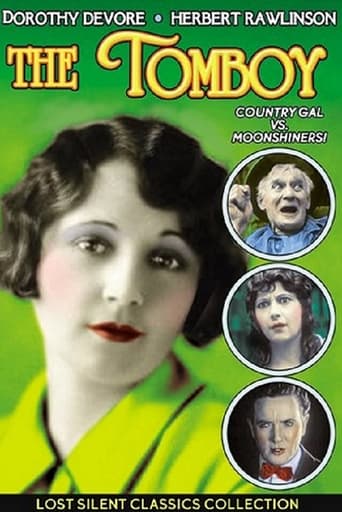
- Portrayed Mrs. Higgins in the silent comedy-drama 'The Tomboy' (1924)
- Successfully transitioned from silent films to sound in the early 1930s
- Became a frequent supporting player for Warner Bros. During the 1930s and 1940s
- Appeared in the Academy Award-nominated classic 'Dark Victory' (1939)
- Worked under legendary director Frank Capra in 'Meet John Doe' (1941)
- Concluded a 30-year career with 'One Last Fling' in 1949
Best Known For
Iconic Roles
Must-See Films
Accolades
Special Recognition
- Recognized as a veteran character actress of the Warner Bros. Golden Era
Working Relationships
Worked Often With
Studios
Why They Matter
Impact on Culture
Lottie Williams represents the essential 'backbone' of the Hollywood studio system. While she was rarely the top-billed star, her consistent presence in over 70 films helped define the texture of American cinema during its most influential period. She was part of a generation of actors who provided the necessary realism and character depth that allowed the 'Star System' to flourish, proving that character actors were vital to the narrative success of the Golden Age.
Lasting Legacy
Her legacy is preserved through her appearances in some of the most significant films of the 1930s and 40s. Film historians often cite her as a prime example of the versatile character performers who made the transition from the silent era's physical acting to the dialogue-heavy requirements of the sound era. Her work in 'The Tomboy' remains a notable piece of silent film history, as the film is one of the few from that era to have surviving prints.
Who They Inspired
Williams influenced the industry by demonstrating the longevity possible for character actresses who could adapt to changing technologies and styles. Her career served as a blueprint for supporting players who sought steady work within the studio system rather than fleeting stardom.
Off Screen
Lottie Williams maintained a private personal life away from the Hollywood tabloids. She was born in Indiana and moved to California as the film industry centralized in Los Angeles. She remained active in the film community until her late 70s, eventually retiring to a quiet life in Los Angeles where she resided until her death in 1962.
Did You Know?
- She is often confused with another Lottie Williams (1866–1929), who was an African-American musical theater performer and wife of Bert Williams.
- She appeared in 'The Tomboy' (1924), a film that survives today in a 16mm reduction positive print.
- Her film career did not begin until she was 46 years old.
- She was a frequent face in Bette Davis films, appearing in 'Dark Victory', 'The Man Who Came to Dinner', and 'The Great Lie'.
- She appeared in 'The Story of Louis Pasteur' (1936), which won three Academy Awards.
- Her final film, 'One Last Fling' (1949), was released when she was 75 years old.
Frequently Asked Questions
Who was Lottie Williams?
Lottie Williams (1874–1962) was a veteran American character actress who appeared in over 70 films between 1920 and 1949. She is best known for her supporting roles in silent films like 'The Tomboy' and Golden Age classics like 'Dark Victory'.
What films is Lottie Williams best known for?
Titles linked here include The Tomboy (1924), Angels with Dirty Faces (1938).
When was Lottie Williams born and when did she die?
Born January 20, 1874; died November 16, 1962.
Did Lottie Williams win any awards?
While she did not win major individual awards like an Oscar, she was a highly respected member of the Warner Bros. Stock company and appeared in several Academy Award-winning and nominated films.
Was she related to the famous comedian Bert Williams?
No. There is often confusion because Bert Williams' wife was also named Lottie Williams (born 1866), but the film actress Lottie Williams (born 1874) was a different person entirely.
What was Lottie Williams' acting style?
She was known for a naturalistic and versatile style, specializing in supporting character roles such as mothers, nurses, and neighbors, which added a sense of grounded reality to the films she appeared in.