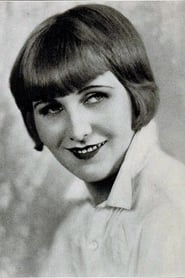
María Corda
Actor
Born: May 4, 1898 in Rátka, Austria-Hungary (now Hungary) Died: February 15, 1975 Active: 1919-1927 Birth Name: Mária Antónia Farkas
Films
1 film
About María Corda
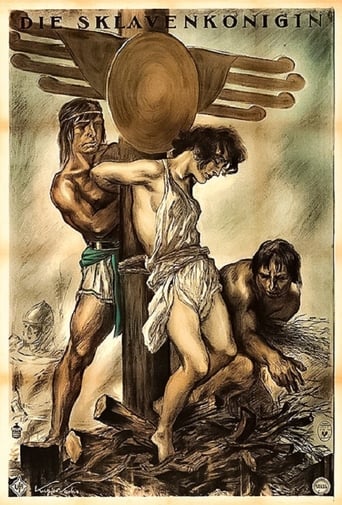
María Corda, born Mária Antónia Farkas, was a prominent Hungarian silent film actress who rose to stardom in European cinema during the 1920s. Discovered by director Alexander Korda, she quickly became actresses in Austrian and Hungarian film productions. Her breakthrough came with starring roles in films like 'Samson and Delilah' (1922) and 'The Slave Queen' (1924), which showcased her dramatic range and screen presence. Her most significant achievement was starring in 'Moon of Israel' (1924), directed by her then-husband Michael Curtiz, which became an international success and demonstrated her ability to carry epic productions. After marrying Curtiz in 1918, the couple emigrated to the United States in 1926 hoping to replicate their European success in Hollywood. However, her American career was limited due to language barriers and the changing landscape of cinema with the advent of sound. She made only a few films in the US before retiring from acting, while Curtiz went on to direct Hollywood classics like 'Casablanca' and 'The Adventures of Robin Hood'. Corda spent her later years away from the spotlight, living in New York until her death in 1975.
The Craft
On Screen
Corda was known for her dramatic, expressive acting style typical of the silent era, with a particular talent for conveying deep emotion through facial expressions and body language. She excelled in epic historical and biblical dramas, bringing a regal presence and intense emotional depth to her characters. Her performances were characterized by a combination of vulnerability and strength, making her particularly effective in tragic romantic roles.
Milestones
- Discovered by Alexander Korda and signed to star in European productions
- Starred in 'Samson and Delilah' (1922) which established her as a leading actress
- Lead role in 'Moon of Israel' (1924), her most famous and internationally successful film
- Married director Michael Curtiz with whom she collaborated on several films
- Emigrated to Hollywood in 1926 with hopes of American stardom
- Retired from acting after limited success in American cinema
Best Known For
Iconic Roles
Must-See Films
Accolades
Special Recognition
- Recognized as one of Hungary's most important silent film actresses
- Featured in Hungarian Film History archives as a actress of the 1920s
Working Relationships
Worked Often With
Studios
Why They Matter
Impact on Culture
María Corda played a significant role in establishing Hungarian and Austrian cinema on the international stage during the silent era. Her success in European productions helped demonstrate that quality films were being produced outside of Hollywood and Germany, contributing to the recognition of Central European cinema. Her work in biblical and historical epics helped popularize these genres in European film and influenced how such stories were told on screen. Though her Hollywood career was brief, her journey represented the challenges many European actors faced when transitioning to American cinema with the advent of sound.
Lasting Legacy
María Corda's legacy lies primarily in her contributions to European silent cinema and her role in the transatlantic film migration of the 1920s. She remains an important figure in Hungarian film history, representing the country's golden age of silent film production. Her most famous work, 'Moon of Israel,' continues to be studied by film historians as an example of early epic filmmaking and as a significant stepping stone in Michael Curtiz's career. Though largely forgotten by mainstream audiences, she is remembered by film scholars as.
Who They Inspired
Corda influenced later generations of European actresses through her dramatic intensity and ability to carry large-scale productions. Her success in international markets helped pave the way for other European actors to seek opportunities beyond their home countries. Her collaboration with Michael Curtiz during their European period contributed to the development of his directorial style, which would later influence Hollywood filmmaking. Her career trajectory also serves as a case study in the challenges European actors faced during the transition from silent to sound films in the late 1920s.
Off Screen
María Corda's personal life was closely intertwined with her career, particularly through her marriage to director Michael Curtiz. The couple married in 1918 and collaborated on several successful European films before emigrating to the United States together in 1926. Their relationship eventually ended in divorce, with Curtiz going on to become one of Hollywood's most successful directors while Corda stepped away from the limelight. After her acting career ended, she lived a relatively private life in New York, maintaining connections with the European film community but rarely giving interviews or making public appearances.
Education
Limited information available about her formal education, though she likely received training in dramatic arts through theater and early film work in Hungary and Austria
Family
- Michael Curtiz (1918-1930)
Did You Know?
- Born Mária Antónia Farkas, she adopted the stage name María Corda for her film career
- She was discovered by Alexander Korda while working as a model in Budapest
- 'Moon of Israel' was
- She was fluent in Hungarian, German, and English, which helped her international career
- Her marriage to Michael Curtiz ended when he left her for Bess Meredyth, a screenwriter at Warner Bros.
- After retiring from acting, she worked briefly as a fashion designer in New York
- She was considered
- Her height of 5'7" was considered tall for actresses of that era
- She never made a sound film, retiring just as the talkie era was beginning
- Her films were often distributed in multiple countries with different titles to suit local markets
In Their Own Words
The screen demands more than beauty; it demands soul, and I have always tried to bring my soul to every role
In silence, the actor must speak louder than words can ever express
Europe gave me my career, America took my husband, but I kept my dignity
Frequently Asked Questions
Who was María Corda?
Hungarian silent film actress who rose to stardom in European cinema during the 1920s. Born Mária Antónia Farkas, she was discovered by director Alexander Korda and became famous for her roles in epic historical and biblical films, most notably 'Moon of Israel' (1924).
What films is María Corda best known for?
Titles linked here include Moon of Israel (1924), Samson and Delilah (1922).
When was María Corda born and when did she die?
Born May 4, 1898; died February 15, 1975.
What awards did María Corda win?
While María Corda did not receive major formal awards during her career, she was recognized as one of Hungary's most important silent film actresses and is featured in Hungarian Film History archives as a actress of the 1920s.
What was María Corda's acting style?
María Corda was known for her dramatic, expressive acting style typical of the silent era, with exceptional ability to convey deep emotion through facial expressions and body language. She excelled in epic historical and biblical dramas, bringing regal presence and intense emotional depth to her characters.
Was María Corda married to Michael Curtiz?
Yes, María Corda was married to director Michael Curtiz from 1918 to 1930. They collaborated on several successful European films before emigrating to Hollywood together in 1926. Their marriage ended in divorce around the time Curtiz was achieving major success in Hollywood.
Why did María Corda's career end?
María Corda's career ended primarily due to the advent of sound films and her limited success in Hollywood. While she was a star in European silent cinema, she struggled to establish herself in American films, and the transition to talkies presented additional challenges for foreign actors. She retired from acting in the late 1920s.
What is María Corda's legacy in film history?
María Corda's legacy lies in her contributions to European silent cinema and her role in establishing Hungarian and Austrian films on the international stage. She represents the golden age of European silent film and serves as an example of the challenges European actors faced during Hollywood's transition to sound.