
Films
3 films
About Arthur Rankin
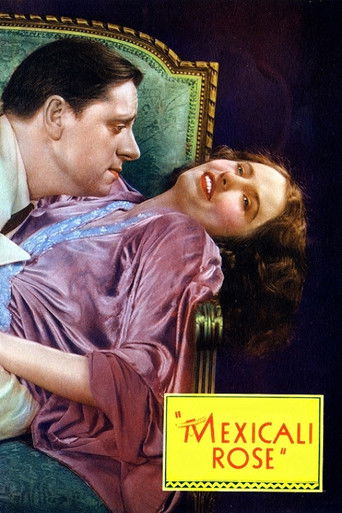
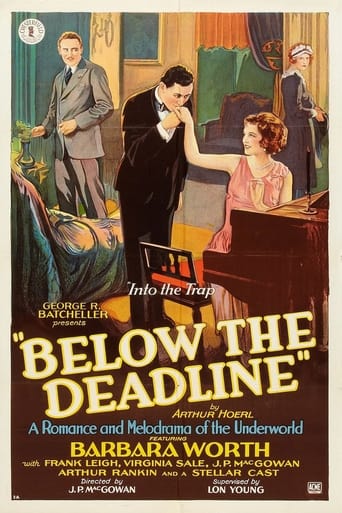
American actor who had a brief career during the transitional period between silent films and talkies in Hollywood. His documented filmography consists of only two films from 1929: 'Mexicali Rose' and 'Below the Deadline.' Like many actors of this era, he appeared during the challenging transition when many silent film performers struggled to adapt to sound cinema. Rankin was part of the vast pool of character actors and supporting players who populated Hollywood films during the early studio system. His career was extremely brief, spanning only a single year, suggesting he may have been unable to secure further roles as the industry evolved with new technologies and performance requirements. The limited documentation of his career indicates he was likely a minor performer who did not achieve significant recognition during his time in the industry. Beyond these two confirmed appearances, little is known about his career trajectory or life, which was not uncommon for actors who had only fleeting involvement in early Hollywood.
The Craft
On Screen
Likely employed the dramatic, exaggerated gestures typical of late silent era acting, which was becoming outdated with the advent of sound films
Milestones
- Appeared in 'Mexicali Rose' (1929)
- Appeared in 'Below the Deadline' (1929)
- Worked during the silent-to-sound transition era
Best Known For
Must-See Films
Why They Matter
Impact on Culture
Arthur Rankin's cultural impact was minimal due to his extremely brief career consisting of only two film appearances. He represents the countless anonymous actors who populated early Hollywood films but did not achieve lasting recognition. His brief career occurred during a pivotal moment in cinema history when the transition from silent films to talkies was reshaping the industry and ending many careers. As such, he serves as an example of the performers who were unable to adapt to the new technological demands of sound cinema. His limited filmography reflects the precarious nature of acting careers during early Hollywood, where many performers appeared in only a handful of films before disappearing from the industry altogether.
Lasting Legacy
Arthur Rankin's legacy is that of a typical minor actor from the late silent era whose brief career illustrates the transient nature of early Hollywood stardom. He represents the thousands of supporting players and character actors who appeared in films during cinema's formative years but left little lasting mark on the industry. His story is emblematic of the challenges faced by actors during the transition to sound, when many performers found their careers abruptly ended. The limited documentation of his life and career highlights how many early film performers have been lost to history, remembered only through brief film credits. While he did not achieve significant recognition during his lifetime, his inclusion in film databases helps preserve the memory of even the most minor contributors to early cinema history.
Who They Inspired
Due to his extremely brief and minor career, Arthur Rankin did not have a significant influence on other actors or the film industry. He was not a trendsetter or innovator but rather a typical supporting player of his era. His career serves more as a historical example of the challenges faced by actors during the transition to sound films rather than as an influential force in cinema. Like many actors of his generation with limited filmographies, his influence is primarily historical rather than artistic, helping document the vast pool of talent that populated early Hollywood films.
Off Screen
Very limited information is available about Arthur Rankin's personal life, which is not uncommon for minor actors from the silent era who left little documentation of their lives and careers.
Did You Know?
- Arthur Rankin's entire known filmography consists of only two films, both released in 1929
- His career coincided with the critical transition period from silent films to talkies
- Like many actors of his era, he did not successfully transition to sound films
- He should not be confused with Arthur Rankin Jr., the famous animator and producer
- His brief career is representative of many minor actors from early Hollywood
- No known photographs or extensive biographical information about him survives
- His films were produced during the final year of the silent era
- Both of his known films were released by major studios of the era
Frequently Asked Questions
Who was Arthur Rankin?
American with credits in this catalog.
What films is Arthur Rankin best known for?
Titles linked here include Mexicali Rose (1929), Below the Deadline (1929).
When was Arthur Rankin born and when did he die?
Specific birth and death dates for Arthur Rankin are not documented in historical records, which is common for minor actors from the silent era.
What awards did Arthur Rankin win?
Arthur Rankin did not receive any known awards or nominations for his brief acting career in 1929.
What was Arthur Rankin's acting style?
Arthur Rankin likely employed the dramatic, exaggerated gestures typical of late silent era acting, which was becoming outdated with the advent of sound films.
Why was Arthur Rankin's career so short?
Arthur Rankin's career was likely cut short due to the challenging transition from silent films to talkies, a period when many actors struggled to adapt to new performance requirements.