Films
1 film
About Louis Nizor
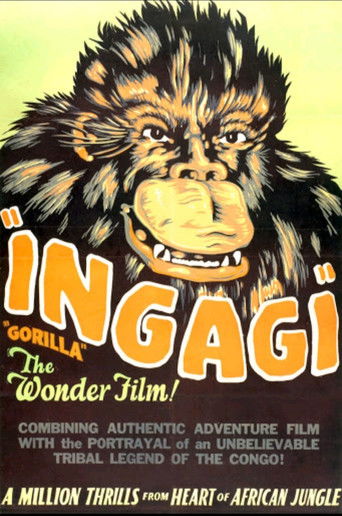
Obscure actor from the early sound era of cinema: entire known filmography consists of a single appearance in the controversial 1930 exploitation film 'Ingagi'. This film, produced by Congo Pictures and directed by William S. Campbell, was marketed as a documentary but was actually a fictional work that combined stock footage with staged scenes. Nizor was part of the ensemble cast that portrayed explorers and researchers in this production, which was notorious for its sensationalized content about African wildlife and supposed encounters with gorillas. The film was a commercial success despite being exposed as fraudulent, but it appears Nizor did not pursue a career in Hollywood beyond this single role. Like many bit players in early cinema, particularly those involved in exploitation films, little documentation exists about his background or subsequent life. His brief appearance in film history serves as an example of the many anonymous performers who contributed to the diverse landscape of early American cinema.
The Craft
Milestones
- Appeared in the controversial exploitation film 'Ingagi' (1930)
Best Known For
Iconic Roles
Must-See Films
Working Relationships
Worked Often With
Studios
Why They Matter
Impact on Culture
Louis Nizor's cultural impact is minimal due to his extremely limited filmography, consisting of only one appearance in 'Ingagi' (1930). However, his participation in this controversial film places him within the context of early exploitation cinema, a genre that pushed boundaries of acceptable content in the early sound era. The film itself became notorious for its deceptive marketing practices and contributed to discussions about film ethics and censorship in the 1930s. As one of the many anonymous performers who populated early American films, Nizor represents the vast number of actors whose contributions to cinema history have been largely lost to time.
Lasting Legacy
Louis Nizor's legacy is that of an obscure performer from the transitional period between silent films and established sound cinema. His single known film appearance in 'Ingagi' makes him part of the historical record of early exploitation films, a genre that, while controversial, played a significant role in the development of American cinema's approach to sensational content. Like many bit players from this era, he serves as a reminder of the countless anonymous actors who contributed to the early Hollywood, even if their individual stories have been largely forgotten by mainstream film history.
Who They Inspired
Due to his extremely limited film career and obscurity, there is no documented evidence of Louis Nizor influencing other actors or filmmakers. His brief appearance in cinema history does not appear to have left any lasting impact on subsequent generations of performers or the evolution of film acting techniques.
Off Screen
No documented information is available about Louis Nizor's personal life, family background, or activities outside of his brief film appearance. Like many bit players in early cinema, particularly those involved in exploitation films, he remains an enigmatic figure with no surviving personal records or interviews.
Did You Know?
- Louis Nizor's entire known filmography consists of just one film: 'Ingagi' (1930)
- 'Ingagi' was marketed as a documentary but was actually a fictional exploitation film
- The film was controversial for its deceptive marketing and sensationalized content
- Nizor was one of many anonymous performers who appeared in exploitation films during the early sound era
- Despite the film's commercial success, Nizor did not appear in any other known films
- Like many early bit players, no personal photographs or detailed biographical information about Nizor appear to survive
- The film 'Ingagi' was one of the early examples of what would become known as 'sexploitation' cinema
Frequently Asked Questions
Who was Louis Nizor?
Screen credits include only one known film, the controversial 1930 exploitation picture 'Ingagi'. Very little is known about his life or career beyond this single appearance.
What films is Louis Nizor best known for?
Titles linked here include Ingagi (1930).
When was Louis Nizor born and when did he die?
No reliable birth or death dates are available for Louis Nizor. Like many obscure bit players from early cinema, biographical information about him has been lost to history.
What awards did Louis Nizor win?
Louis Nizor did not receive any known awards or nominations for his brief film career. His single appearance in 'Ingagi' was not recognized by any award organizations.
What was Louis Nizor's acting style?
No documentation exists about Louis Nizor's acting style or techniques. His limited appearance in 'Ingagi' provides insufficient material to analyze his approach to performance.
Why is so little known about Louis Nizor?
Louis Nizor represents the many anonymous performers from early cinema whose personal details were not preserved in historical records. Bit players, especially those in exploitation films, often received minimal documentation and press coverage.