Films
1 film
About William Campbell
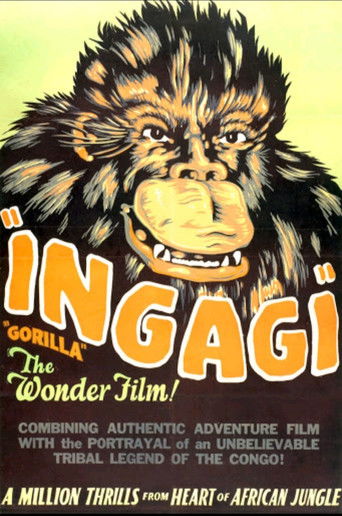
Obscure American film director active in the early sound era, best known for directing the controversial exploitation film 'Ingagi' in 1930. Very little is documented about Campbell's life and career beyond this single directorial effort, which became notorious for its sensational marketing and pseudo-documentary style. The film was marketed as an authentic documentary showing encounters between African women and gorillas, though it was later revealed to be entirely staged footage shot in California. Campbell's approach to 'Ingagi' demonstrated early techniques of blurring documentary and fiction that would influence later exploitation and mockumentary filmmakers. Despite the commercial success of his only known directorial work, Campbell seemingly vanished from the film industry after 1930, leaving behind minimal biographical traces. His career represents the shadowy world of early exploitation cinema, where many filmmakers operated on the fringes of Hollywood's studio system, often using pseudonyms or maintaining deliberate obscurity.
The Craft
Behind the Camera
Exploitation cinema pioneer known for pseudo-documentary techniques, sensational subject matter, and blurring lines between fact and fiction
Milestones
- Directed 'Ingagi' (1930), a controversial pseudo-documentary that became a commercial success
- Pioneered early exploitation film techniques blending documentary and fiction
- Created one of the earliest examples of sensationalized 'ethnographic' cinema
Best Known For
Must-See Films
Working Relationships
Studios
Why They Matter
Impact on Culture
William Campbell's 'Ingagi' had a significant impact on exploitation cinema despite its director's obscurity. The film's commercial success demonstrated the market potential for sensationalized pseudo-documentaries, influencing decades of exploitation filmmakers. Campbell's techniques of marketing staged footage as authentic documentary became a template for later exploitation and mockumentary filmmakers. The film's controversial themes and marketing strategies pushed boundaries of what was acceptable in early cinema, contributing to the development of exploitation film as a distinct genre. 'Ingagi' also played a role in early discussions about film censorship and the ethics of presenting fiction as documentary.
Lasting Legacy
William Campbell's legacy exists primarily through his single surviving work, 'Ingagi', which remains a significant artifact in the history of exploitation cinema. While the director himself remains obscure, his film represents an important milestone in the development of pseudo-documentary filmmaking. 'Ingagi' is studied by film historians as an early example of sensationalized cinema that blurred documentary and fiction, influencing everything from later mondo films to modern mockumentaries. Campbell's work demonstrates how exploitation filmmakers of the early sound era operated outside Hollywood's constraints, creating controversial but commercially successful content that pushed cinematic boundaries.
Who They Inspired
Campbell's work on 'Ingagi' influenced later exploitation filmmakers by demonstrating the commercial viability of pseudo-documentary techniques. His approach to marketing staged content as authentic documentary became a template for filmmakers in the mondo film genre of the 1960s and beyond. The film's success showed that audiences would respond to sensational content presented in a documentary format, influencing everything from horror film marketing to reality television. Modern mockumentary filmmakers owe a debt to pioneers like Campbell who first explored the creative possibilities of blurring documentary and fiction.
Off Screen
Virtually no personal information is available about William Campbell, which was common for exploitation filmmakers of the era who often maintained deliberate anonymity. His obscurity suggests he may have been a pseudonym for another filmmaker or someone operating outside the mainstream Hollywood system.
Did You Know?
- 'Ingagi' was marketed as showing actual encounters between African women and gorillas, though all footage was staged in California
- The film was one of the earliest examples of pseudo-documentary exploitation cinema
- Despite its controversial nature, 'Ingagi' was a commercial success and reportedly earned over $1 million
- The title 'Ingagi' was said to mean 'gorilla' in an African language, though this was likely fabricated for marketing
- The film was condemned by various groups for its sensational and allegedly racist content
- Campbell directed no other known films, making him a one-film director
- Very little biographical information exists about Campbell, suggesting he may have used a pseudonym
- The film's success led to numerous copycat exploitation films in the 1930s
- 'Ingagi' is considered a precursor to the mondo film genre that emerged decades later
- The film was re-released multiple times under different titles to maximize profits
Frequently Asked Questions
Who was William Campbell?
Obscure American on YTB.my. Very little biographical information exists about him, suggesting he operated outside the mainstream Hollywood system and may have used a pseudonym.
What film is William Campbell best known for?
William Campbell is exclusively known for directing 'Ingagi' (1930), a controversial pseudo-documentary marketed as showing authentic encounters between African women and gorillas. The film was actually entirely staged footage shot in California but presented as genuine documentary.
What was controversial about 'Ingagi'?
'Ingagi' was controversial for its deceptive marketing as authentic documentary when it was entirely staged, its sensational themes involving interracial encounters, and its exploitative content. The film drew criticism from reform groups and censorship boards while achieving commercial success.
Did William Campbell direct any other films?
No, William Campbell appears to have directed only 'Ingagi' in 1930, making him a one-film director. His disappearance from film records after this single work suggests he may have been a pseudonym or someone who briefly operated in exploitation cinema.
What was William Campbell's impact on cinema?
Campbell's 'Ingagi' pioneered pseudo-documentary techniques in exploitation cinema, influencing later filmmakers in the mondo and mockumentary genres. The film demonstrated the commercial potential of presenting staged content as authentic documentary, a technique that would be used for decades in exploitation filmmaking.