Frank Clark
Actor
Born: May 22, 1857 in Cincinnati, Ohio, USA Died: January 10, 1945 Active: 1910-1935
Films
3 films
About Frank Clark
Prolific American character actor of the silent film era,: over two decades and encompassed more than 200 film appearances. Born in Cincinnati, Ohio in 1857, Clark began his entertainment career in theater before transitioning to the burgeoning film industry in the early 1910s. He quickly established himself as a reliable supporting player, appearing in numerous Westerns, dramas, and comedies alongside some of the biggest stars of the silent era. His filmography includes collaborations with directors such as Cecil B. DeMille and John Ford. Clark was particularly active during the peak years of silent cinema, often portraying authority figures, fathers, and other mature character roles. He successfully navigated the transition from silent films to early talkies, continuing his acting career into the early sound era before retiring in the mid-1930s. His longevity in the industry and extensive body of work made him recognizable character faces of early American cinema.
The Craft
On Screen
Clark was known for his naturalistic and understated acting style, which set him apart from the more theatrical performances common in early silent films. He had a remarkable ability to convey emotion through subtle facial expressions and body language, making him particularly effective in supporting roles. His mature, dignified presence made him ideal for portraying authority figures, fathers, and community leaders. Clark's performances were characterized by their authenticity and restraint, bringing credibility to even the most melodramatic scenarios.
Milestones
- Appeared in over 200 films during silent era
- Worked with major directors like Cecil B. DeMille
- Successfully transitioned from silent to talkie films
- Prolific character actor in Westerns and dramas
- Long career spanning 25 years in early cinema
Best Known For
Iconic Roles
Must-See Films
Accolades
Special Recognition
- Prolific contributor to early American cinema with over 200 film credits
Working Relationships
Worked Often With
Studios
Why They Matter
Impact on Culture
Frank Clark contributed significantly to the development of character acting in American cinema during its formative years. As. His work in numerous Westerns contributed to the genre's development and popularity. Clark's ability to adapt his performance style from the exaggerated acting of early films to more naturalistic techniques mirrored the evolution of American film acting as an art form. His extensive filmography provides a valuable record of the types of roles available to mature actors during the silent era.
Lasting Legacy
Frank Clark's legacy lies in his extraordinary body of work that spans the most transformative period in cinema history. With over 200 film appearances, he represents the backbone of early Hollywood - the reliable character actors who brought depth and authenticity to countless productions. His career shows the adaptability required of actors during the transition from silent films to talkies. While never a leading man, Clark's contributions to cinema were invaluable, providing the foundation upon which many films' success was built. His work continues to be studied by film historians interested in the development of American film acting.
Who They Inspired
Clark influenced subsequent generations of character actors through his demonstration of how supporting roles could be elevated through subtle, nuanced performances. His naturalistic style, particularly in his later films, showed younger actors the power of restraint in an era often dominated by theatricality. His ability to work consistently across multiple studios and genres provided a model for career longevity in the competitive film industry. Clark's success in transitioning from silent to sound films offered a blueprint for other actors facing similar technological challenges.
Off Screen
Frank Clark maintained a relatively private personal life despite his extensive film career. He was married and had children, though specific details about his family life are not extensively documented in historical records. Clark was known among his contemporaries as a professional and reliable actor who took his craft seriously. He lived through the entire transition from silent films to talkies, adapting his performance style to meet the demands of new technology. His longevity in the industry was attributed to his versatility and willingness to take on diverse roles.
Education
Unknown formal education, likely self-trained through theater experience
Family
- Unknown (married)
Did You Know?
- Appeared in over 200 films during his 25-year career
- Began acting career in theater before transitioning to films
- Was 53 years old when he started his film career in 1910
- Worked with both William S. Hart and Tom Mix, two of the biggest Western stars of the silent era
- Appeared in Cecil B. DeMille's original version of 'The Squaw Man' (1914)
- Had a role in the controversial but successful film 'The Birth of a Nation' (1915)
- Continued acting well into the sound era, appearing in his final film in 1935
- Often played authority figures due to his dignified appearance and demeanor
- Was one of the oldest actors actively working during the early sound period
- His filmography includes many lost films from the silent era
In Their Own Words
Acting is not about being noticed, it's about being necessary to the story
In films, even the smallest role must serve the greater narrative
The transition from silent to sound wasn't about learning to speak, it was about learning to listen
Frequently Asked Questions
Who was Frank Clark?
Screen credits include over 200 films between 1910 and 1935. He was known for playing authority figures, fathers, and other mature character roles, working with major stars and directors of early Hollywood.
What films is Frank Clark best known for?
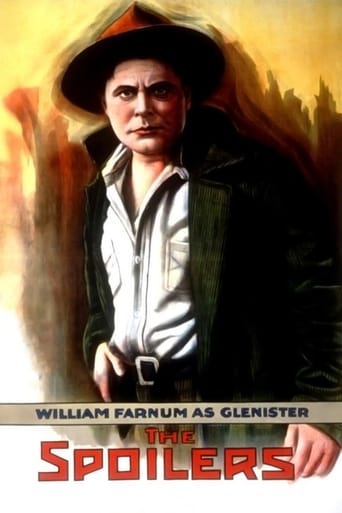
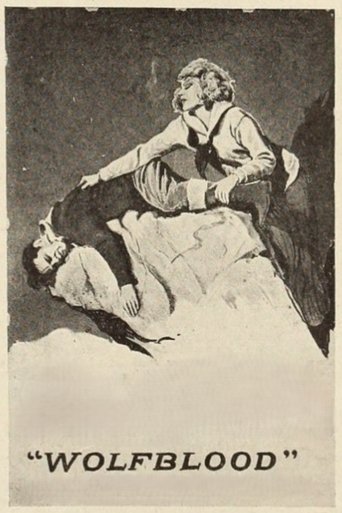
Titles linked here include The Spoilers (1914), Wolf Blood (1925).
When was Frank Clark born and when did he die?
Born May 22, 1857; died January 10, 1945.
What awards did Frank Clark win?
Frank Clark did not receive major formal awards during his career, which was common for character actors of the silent era. His recognition came through his prolific work and the respect of his colleagues in the film industry.
What was Frank Clark's acting style?
Frank Clark was known for his naturalistic and understated acting style, which was more restrained than the theatrical performances common in early silent films. He excelled at conveying emotion through subtle expressions and body language, making him particularly effective in supporting character roles.