Films
1 film
About George Terwilliger
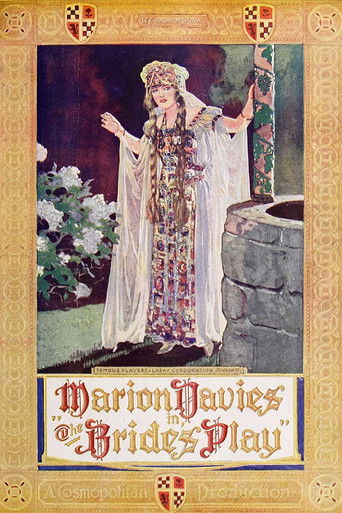
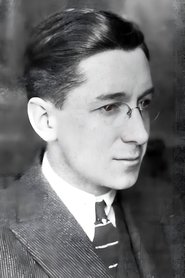
American silent-era film director: known screen career is concentrated in the early 1920s. He is credited with directing The Bride's Play (1922), and surviving reference sources indicate that his documented feature-film work is limited, suggesting either a brief stint in motion pictures or a career for which only a small portion of the record remains readily accessible. Like many directors of the silent period, Terwilliger worked during a time when studio records, trade-paper coverage, and later archival preservation were uneven, which makes his complete biography difficult to reconstruct with certainty. The available filmographic evidence places him in the period when Hollywood was rapidly standardizing feature production, and directors were expected to work efficiently within studio constraints while shaping visual storytelling without synchronized dialogue. Because so little biographical material has survived in mainstream reference sources, his wider personal history, training, and later life remain obscure. His importance today lies primarily in his participation in early American cinema and in the historical record of silent-feature production rather than in a long, heavily documented directorial career. Researchers and databases typically preserve his name because of The Bride's Play and the broader value of identifying every contributor to the silent-era film canon.
The Craft
Behind the Camera
No detailed contemporary description of George Terwilliger's directorial style survives in widely available reference sources. Based on the era in which he worked, his direction would have relied on visual clarity, expressive staging, and the use of intertitles to advance plot and character in the absence of synchronized sound. Because his surviving filmography is extremely small, it is not possible to identify a distinctive personal signature with confidence. His work should therefore be understood in the context of early 1920s silent filmmaking, where efficiency, legibility, and pictorial composition were central directorial concerns.
Milestones
- Directed the silent feature The Bride's Play (1922)
- Worked during the early Hollywood silent era, when feature-length production was becoming the industry norm
- Represents one of the many early film craftsmen whose work survives primarily through film credits and archival databases
Best Known For
Must-See Films
Why They Matter
Impact on Culture
George Terwilliger's cultural impact is best understood as part of the collective foundation of silent-era American cinema rather than through a widely celebrated individual oeuvre. Directors like Terwilliger helped establish the working methods, visual grammar, and production practices that allowed the studio system to mature in the 1920s. Even when only a small portion of a filmmaker's output remains documented, such credits matter because they map the labor of early cinema and preserve the names of artists whose contributions would otherwise vanish from history. In film studies and archival work, figures like Terwilliger are important reminders that the silent era was shaped not only by major stars and renowned auteurs but also by a broad network of lesser-known directors whose films formed the everyday repertoire of the period. His presence in the historical record contributes to a more complete and accurate understanding of early Hollywood production. For databases and researchers, he represents the many professionals whose careers are visible only in fragments yet remain essential to the chronology of American film.
Lasting Legacy
Terwilliger's legacy lies in documentation and preservation rather than in a large surviving body of work. The fact that he can be identified as the director of The Bride's Play provides historians with an anchor point in reconstructing silent-film authorship and studio output. In classic cinema history, even a single surviving credit can be significant because it helps preserve the chain of creative responsibility for films that may otherwise be lost, incomplete, or poorly attributed. His name endures as part of the silent-era roster, illustrating how much of early film history depends on credit lists, trade publications, and archival scholarship. If additional prints, production records, or trade references were to surface, his historical profile could become clearer; until then, his legacy remains that of an early cinema craftsman whose contribution is acknowledged through the survival of his credit. He stands as one of many understated figures whose work helped shape the silent feature as an art and industrial form.
Who They Inspired
Because there is little surviving documentation of his individual methods, George Terwilliger's direct influence on later directors cannot be traced with confidence. His broader influence is indirect: as an early 1920s director, he participated in the visual and narrative conventions that later filmmakers inherited and refined. Silent-era directors collectively influenced the evolution of blocking, editing rhythm, expressive performance, and image-led storytelling, and Terwilliger's work belongs within that foundational tradition. In this sense, his historical importance is as part of the anonymous or semi-anonymous workforce that established the grammar of classical Hollywood cinema. Researchers studying early feature production may use his credits to understand studio-era personnel patterns, but there is not enough evidence to assign him a well-defined personal school of influence.
Off Screen
No reliable biographical source in standard film references provides substantial information about George Terwilliger's personal life. Details such as his family background, marriages, residence, or later occupation are not readily available in the commonly cited historical record. He appears to be one of the many early film figures whose off-screen life was not extensively profiled by the press or whose records have not been widely preserved. As a result, any fuller reconstruction of his personal history would require targeted archival research in trade journals, census records, studio papers, or local historical collections.
Did You Know?
- George Terwilliger is chiefly associated in surviving records with the silent film The Bride's Play (1922).
- He appears to have had a very brief or poorly documented screen career, making him a somewhat obscure figure even among silent-era directors.
- His biography is difficult to reconstruct because many early film industry records were never fully preserved or were lost over time.
- He worked during the transition period when Hollywood was consolidating the feature film as the dominant form of commercial cinema.
- He is an example of how many early directors are remembered today primarily through film credits rather than extensive interviews or biographies.
- His surviving filmography is sparse enough that historians should be cautious about conflating him with similarly named individuals from other fields.
- The Bride's Play was released during the silent era, so Terwilliger's work would have depended on purely visual storytelling techniques.
Frequently Asked Questions
Who was George Terwilliger?
American silent-era on YTB.my. He is a relatively obscure figure today, and much of his personal biography has not survived in widely available historical sources. His importance lies in his contribution to early Hollywood filmmaking and the silent feature era.
What films is George Terwilliger best known for?
Titles linked here include The Bride's Play (1922).
When was George Terwilliger born and when did he die?
Reliable birth and death dates for George Terwilliger are not readily available in standard film-reference sources. His exact birthplace and dates remain unconfirmed in the publicly accessible historical record.
What awards did George Terwilliger win?
No known awards or major honors are readily documented for George Terwilliger in the surviving reference record. This is not unusual for early silent-era filmmakers, many of whom worked before the modern awards culture became established.
What was George Terwilliger's directing style?
A specific personal directorial style cannot be confidently identified because so little documentation of his work survives. As a director of the silent era, he would have relied on visual staging, expressive composition, and intertitles to communicate story and emotion.
Why is George Terwilliger important in film history?
He is important as part of the early silent-film workforce that helped build the foundations of classical Hollywood cinema. Even directors with limited surviving documentation matter because their credits help historians trace production history and preserve the full scope of early film authorship.