Chief Caupolican
Actor
Born: October 11, 1876 in Chile Died: 1968 Active: 1910-1935 Birth Name: Emile Barrangon
Films
1 film
About Chief Caupolican
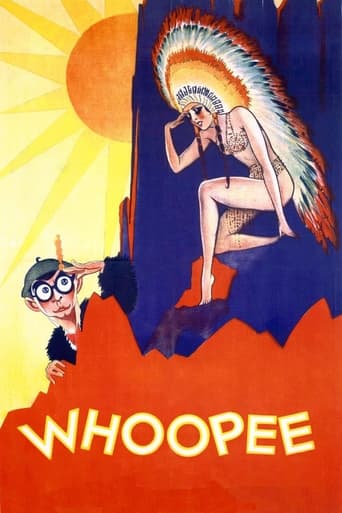
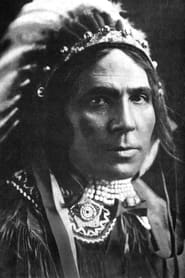
Chief Caupolican, born Emile Barrangon, was a baritone and actor who achieved the historic milestone of being the first singer of Indigenous descent to perform at the Metropolitan Opera. Born in Chile and reportedly of Mapuche heritage, he adopted his stage name in honor of the 16th-century Mapuche leader who resisted Spanish conquistadors. His career began in the rigorous circuits of vaudeville and Chautauqua, where he developed a unique act blending operatic singing with storytelling and oratory. In March 1921, he made his sensational debut at the Metropolitan Opera in the title role of Karel Weis's 'The Polish Jew,' a performance that bridged the gap between popular variety entertainment and high art. He later transitioned to the Broadway stage, most notably appearing in Florenz Ziegfeld's production of 'Whoopee!' (1928), and subsequently reprised his role in the 1930 film adaptation. Throughout the 1920s and early 1930s, he remained a prominent figure in both the operatic world and early sound cinema, representing a rare crossover success of the era.
The Craft
On Screen
His acting style was deeply rooted in the grand traditions of opera and the expressive demands of vaudeville. He was known for a commanding stage presence and a powerful, resonant baritone voice that he used to convey both nobility and pathos. In his film roles, he maintained a dignified and 'noble' persona, which was characteristic of the era's portrayal of Indigenous leaders, but he infused it with the technical precision of a trained orator.
Milestones
- First Indigenous singer to perform at the Metropolitan Opera (1921)
- Starred as the lead in the Metropolitan Opera production of 'The Polish Jew'
- Featured performer in the Ziegfeld Follies and Broadway's 'Whoopee!'
- Appeared in the landmark early Technicolor film 'Whoopee!' (1930)
- Recorded for the Vitaphone Varieties series in 1928
- Performed in the 'all-Indian' opera 'Winona' in Minneapolis (1928)
Best Known For
Iconic Roles
Must-See Films
Accolades
Special Recognition
- Historic debut at the Metropolitan Opera as a person of color
- Recognized as the 'World's Greatest Indian Orator and Entertainer' during his vaudeville peak
Working Relationships
Worked Often With
Studios
Why They Matter
Impact on Culture
Chief Caupolican broke significant racial barriers in the early 20th-century American arts scene. By performing at the Metropolitan Opera, he challenged the prevailing exclusionary norms of the high-art world and proved that performers of Indigenous descent could excel in European classical traditions. His presence in major Broadway productions and Hollywood films provided a visible, albeit stylized, representation of Indigenous identity to millions of viewers during the transition from silent to sound cinema.
Lasting Legacy
He is remembered as a pioneer who navigated the complex intersection of ethnic novelty and genuine artistic excellence. His career serves as a vital link between the variety stages of vaudeville and the prestigious halls of grand opera. In film history, his appearance in 'Whoopee!' remains a notable example of the early use of Technicolor and the preservation of Ziegfeld's theatrical grandeur.
Who They Inspired
He influenced a generation of minority performers by demonstrating that a career could be sustained across multiple disciplines, including opera, theater, and film. His success paved the way for future Indigenous artists to seek roles beyond the stereotypical 'extra' parts common in early Hollywood.
Off Screen
Born Emile Barrangon, he spent much of his life in the United States after emigrating from Chile. He was a dedicated advocate for Indigenous representation in the arts, often using his platform to educate audiences about Mapuche history. Despite his 'Chief' title being a stage persona, he was deeply respected within the entertainment industry for his authentic talent and professional discipline.
Education
Trained as a classical baritone; early performance education in the vaudeville and Chautauqua circuits.
Did You Know?
- His stage name 'Caupolican' refers to a famous 16th-century Mapuche leader who is a national hero in Chile.
- He was hired for the Met's 'The Polish Jew' partly because the producers felt it was 'unseemly' to hire a Jewish actor from the Yiddish theater at the time.
- He performed his own songs in the 1928 Vitaphone short, which was one of the earliest sound-on-disc recordings of an opera singer.
- He was often billed as a 'hereditary chief,' though this was largely a marketing invention for his vaudeville act.
- In 'Whoopee!', he performed alongside a young Betty Grable and Paulette Goddard, who were then 'Goldwyn Girls.'
- He was a featured speaker on the Chautauqua circuit, known for his lectures on 'The North American Indian.'
In Their Own Words
I have striven to be something among your people. (Context: Dialogue from 'Whoopee!' reflecting on his character's education and status)
The song of the setting sun is the song of my people. (Context: Often used in his stage introductions to set the mood for his operatic performances)
Frequently Asked Questions
Who was Chief Caupolican?
Chilean-born baritone and with credits in this catalog.
What films is Chief Caupolican best known for?
Titles linked here include Whoopee! (1930), Chief Caupolican, the Indian Baritone (1928, Vitaphone Short).
Was Chief Caupolican actually an Indian Chief?
No, 'Chief Caupolican' was a stage name chosen to honor a historic Mapuche leader; he was a professional opera singer of Mapuche heritage but not a tribal chief.
What was Chief Caupolican's contribution to opera?
He broke the color barrier at the Metropolitan Opera and was a leading baritone in several major productions, including 'The Polish Jew' and the 'all-Indian' opera 'Winona'.
When did Chief Caupolican die?
He passed away in 1968, leaving behind a legacy as a figure in both the operatic and early cinematic worlds.