
Félix Mayol
Actor
- Born
- November 18, 1872, Toulon, Var, France
- Died
- October 26, 1941
- Active
- 1905-1941
Films 3
About Félix Mayol
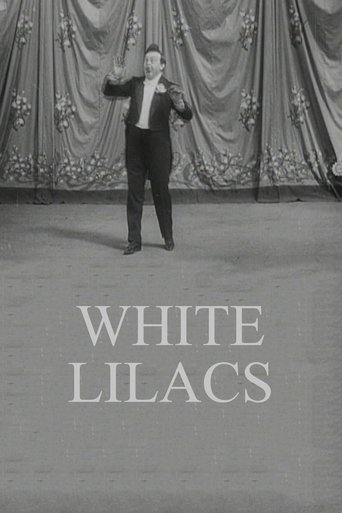
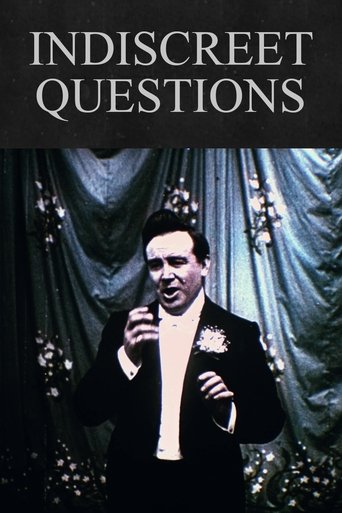
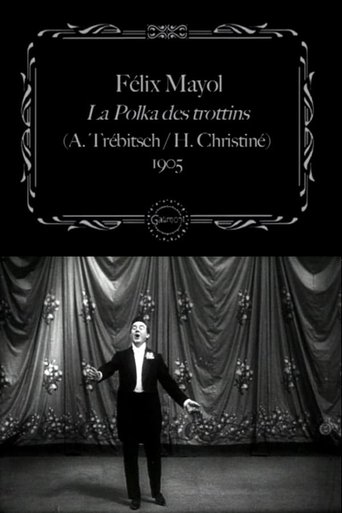
Félix Mayol was a French singer, music-hall star, and screen personality whose fame was already firmly established before his brief early-cinema appearances in 1905. Born in Toulon, he became one of the most recognizable entertainers in France through his high-pitched voice, comic timing, distinctive stage persona, and immensely popular performance style on the café-concert and music-hall circuit. His reputation made him a natural subject for the emerging film industry, and he was captured in short performance films such as "White Lilacs," "Indiscreet Questions," and "The Trottins' Polka," which preserved his songs and stage manner for a wider audience. These films were not narrative acting vehicles in the modern sense so much as filmed records of a celebrated performer, illustrating the close relationship between early cinema and popular live entertainment. Mayol remained best known throughout his life as a chanson performer rather than as a film actor, but his screen appearances are historically valuable as examples of early non-fiction performance cinema. His long career helped define the popular French entertainment world of the late 19th and early 20th centuries, and his image remained associated with witty, urbane, slightly risqué popular song. He is remembered today as an important figure in French popular culture whose work bridged stage, recording, and the earliest years of film.
More about Félix Mayol
On screen
Mayol was not primarily a screen actor in the narrative-cinema sense; his filmed appearances document a music-hall artist with precise comic timing, expressive facial work, and a highly stylized stage presence. His performance approach was based on direct address, vocal personality, gesture, and audience rapport rather than subtle naturalism. In the early filmed shorts, his appeal came from charisma, costume, manner, and the lively personality that had made him a stage favorite. His style reflected the transitional era when cinema often preserved theatrical and variety acts almost as they were performed live.
In film history
Félix Mayol was an important figure in French popular entertainment, especially as an emblem of the café-concert and music-hall tradition that flourished during the Belle Époque. His filmed performances matter culturally because they preserve the look and feel of a major stage celebrity at a time when cinema was still discovering how to document live popular culture. By appearing in early screen shorts, he helped validate film as a medium that could capture established stars and extend their reach beyond the theater. His image and repertoire contributed to the wider circulation of French popular song and helped define the relationship between celebrity performance and early moving pictures. For historians, Mayol stands as a reminder that early cinema was not only about fictional storytelling but also about recording contemporary entertainers who shaped mass culture.
Later reputation
Mayol's lasting legacy lies in his status as one of the prominent popular entertainers of early modern France and as a performer whose presence survives in some of the earliest examples of filmed stage performance. While he is not remembered as a major narrative-film actor, his short films are valuable archival artifacts that connect music hall culture to the birth of cinema. His name remains associated with Belle Époque popular song, with the theatrical flair and comic sophistication of French variety performance, and with the early cinematic preservation of celebrity. In film history, he occupies an important niche as a performer whose screen appearances help illustrate how the industry grew out of live entertainment traditions.
Influence
Mayol influenced later performers by exemplifying the kind of larger-than-life, instantly recognizable stage persona that could be transferred into early film. His success showed that a singer or comic performer could become a screen attraction without adapting to fully developed narrative acting techniques. The filmed preservation of his performances also influenced how later entertainment industries thought about celebrity branding, recorded performance, and cross-media popularity. His career stands as part of the foundation for the modern idea that a well-known stage artist can be amplified, archived, and mythologized through cinema.
Off screen
Félix Mayol was a major public entertainer whose private life was less central to his fame than his stage persona. He was known in France as a popular celebrity and a fixture of the Belle Époque entertainment scene, but detailed widely standardized records of marriages and family life are not consistently documented in the sources typically used for classic-cinema reference works. His personal identity in public was strongly tied to his career as a singer and performer, and much of his renown came from his professional image rather than from film stardom. He is also remembered for his association with French popular culture and for the elegant, playful persona he projected in performance.
Education
Formal educational background is not well documented in standard film-reference sources; he is generally associated with practical training through the French popular entertainment world rather than formal dramatic schooling.
Credits
- Rose to fame as a leading French café-concert and music-hall singer in the late 19th and early 20th centuries
- Appeared in early filmed performance shorts in 1905, including "Félix Mayol Performs 'White Lilacs'" and related titles
- Became one of the emblematic popular entertainers of Belle Époque France
- Built a lasting reputation through stage performance, public persona, and widely circulated songs
- Helped demonstrate how early cinema could preserve and disseminate celebrated live performers
- Remained a well-known cultural figure in France well beyond the silent-era period
Roles
- Self in filmed performance shorts
- Music-hall chanson performer
- Belle Époque variety entertainer
Films
- Félix Mayol Performs "White Lilacs" (1905)
- Félix Mayol Performs "Indiscreet Questions" (1905)
- Félix Mayol Performs "The Trottins' Polka" (1905)
Collaborators
- Early French film producers and cameramen who recorded stage performances
- Variety and music-hall performers associated with Belle Époque entertainment
Studios
- Early French film production companies and actuality/performance-film producers
Notes
- He was born in Toulon, on the Mediterranean coast of France, a city often associated with his identity.
- He was far more famous as a singer and music-hall entertainer than as a film actor.
- His 1905 screen appearances are performance films rather than dramatic narrative roles.
- Early cinema preserved his stage persona at a time when few live entertainers were ever filmed.
- He became one of the recognizable names of Belle Époque popular culture.
- His work illustrates the close link between café-concert entertainment and early French film.
- He remained a cultural reference point in France long after his peak stage years.
Questions
Who was Félix Mayol?
Félix Mayol was a celebrated French singer and music-hall performer who also appeared in a few very early films in 1905. He is best remembered for his Belle Époque popularity and for being filmed in short performance pieces that preserved his stage presence.
What films is Félix Mayol best known for?
He is best known for the early performance shorts "Félix Mayol Performs 'White Lilacs'" (1905), "Félix Mayol Performs 'Indiscreet Questions'" (1905), and "Félix Mayol Performs 'The Trottins' Polka'" (1905). These are historical records of his stage act rather than dramatic feature films.
When was Félix Mayol born and when did he die?
Félix Mayol was born on November 18, 1872, in Toulon, Var, France. He died on October 26, 1941.
What awards did Félix Mayol win?
No major film awards or formal nominations are commonly recorded for Félix Mayol in standard classic-cinema references. His recognition came primarily through his immense popularity as a stage entertainer rather than through awards culture.
What was Félix Mayol's performance style?
His performance style was rooted in music-hall and café-concert traditions, emphasizing charm, wit, expressive gestures, and a highly distinctive public persona. In film, he came across as a charismatic stage performer rather than a naturalistic screen actor.
What is Félix Mayol's legacy in cinema history?
His legacy in cinema lies in the fact that he is part of the earliest wave of performers whose acts were captured on film. Those brief recordings help show how cinema developed as a way to preserve and circulate popular stage entertainment.