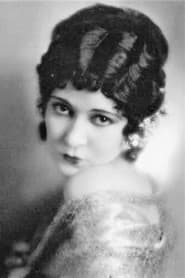
Trilby Clark
Actor
- Active
- 1920-1920
Films 1
About Trilby Clark
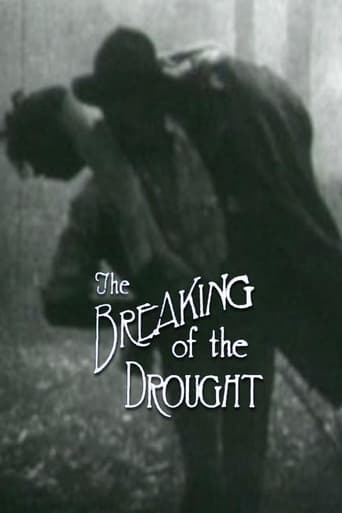
Trilby Clark is a little-documented silent-era screen actress whose surviving filmography places her in Australian cinema at the beginning of the 1920s. She is chiefly remembered for appearing in The Breaking of the Drought (1920), a film associated with the period when Australian feature production was developing its own identity and drawing on popular local stories and settings. Very little reliably published biographical information survives about her early life, training, family background, or later career, and she appears to have had a brief screen presence rather than a long, well-documented career. Because the available historical record is sparse, it is difficult to reconstruct more than the fact that she was active as a film performer at the turn from the silent era’s formative years into the 1920s. Her name has persisted primarily through film reference sources and cast listings rather than through extensive contemporary publicity or later revival scholarship. As a result, Trilby Clark is best understood as one of the many early screen artists whose work survives in credit records and film histories even when personal details have been lost.
More about Trilby Clark
In film history
Trilby Clark’s cultural significance lies less in celebrity status than in what her surviving credit represents: the fragile, often incomplete record of early Australian film performance. Her presence in The Breaking of the Drought connects her to a period when local filmmakers were adapting Australian themes for the screen and building a national cinema identity in competition with imported productions. Even when an individual performer is obscure, cast documentation helps modern historians reconstruct production networks, performance practices, and the range of artists working in the silent era. In that sense, Clark contributes to the broader historical memory of early screen culture and to the preservation of Australian silent-film history.
Later reputation
Her legacy is primarily archival and historiographic. Trilby Clark is remembered because her name appears in the surviving record of The Breaking of the Drought, making her part of the documented cast of an early Australian feature from the silent period. For film historians, such names are valuable evidence of the many performers whose careers were not fully publicized or whose papers and publicity materials have not survived. Her enduring importance is therefore tied to film preservation, cast reconstruction, and the broader effort to map the personnel of lost or early national cinema.
Influence
There is no specific evidence that Trilby Clark directly influenced later actors or directors in a documented way. Any influence she may have had is indirect, through participation in early Australian production culture and the preservation of performance history in surviving film records. Her name serves more as a historical marker than as a widely cited artistic influence.
Off screen
No reliable public information has been found regarding Trilby Clark’s personal life, including marriage, family background, residence, or later activities. Surviving records do not provide enough detail to establish whether she continued in performance, changed professions, or lived a private life away from the screen after 1920. Because of the scarcity of documentation, most standard biographical fields remain unknown rather than merely unverified.
Credits
- Appeared in the Australian silent feature The Breaking of the Drought (1920)
- Represents the small but important body of early Australian screen performers active during the silent era
- Her credited appearance survives in historical film records, helping document cast and performance history for the period
Roles
- Role in The Breaking of the Drought (1920)
Films
- The Breaking of the Drought (1920)
Notes
- Trilby Clark is known today primarily from cast records rather than from extensive publicity or surviving interviews.
- Her documented screen activity currently appears to be limited to a single known film credit from 1920.
- She is associated with Australian silent cinema, a field in which many performers remain sparsely documented.
- The scarcity of information about her is typical of many early film artists whose careers were briefly recorded and then largely lost to history.
- Her name helps historians reconstruct the cast and production context of The Breaking of the Drought.
- Because no reliable biographical details have been found, she remains an elusive figure in early cinema research.
Questions
Who was Trilby Clark?
Trilby Clark was a silent-era film actress associated with Australian cinema, best known for appearing in The Breaking of the Drought (1920). Very little biographical information survives about her, so she is chiefly remembered through historical cast records.
What films is Trilby Clark best known for?
She is best known for The Breaking of the Drought (1920), which is the main surviving credit connected to her name. At present, no other confirmed film appearances are readily documented in the available record.
When was Trilby Clark born and when did she die?
Her birth and death dates are not reliably documented in the available historical record. Like many early silent-era performers, she survives in film history mainly through a limited set of credits rather than complete biographical data.
What awards did Trilby Clark win?
No awards or nominations are currently documented for Trilby Clark. The surviving record does not indicate any formal honors.
What was Trilby Clark's acting style?
Her acting style cannot be described with confidence because no detailed reviews, surviving performance analyses, or interview material have been found. As a silent-era actress, her work would have relied on visual expressiveness, but specific stylistic traits are not documented.
What is Trilby Clark's legacy in film history?
Her legacy is primarily historical and archival: she is part of the documented cast of an early Australian silent feature. For researchers, her name helps preserve the memory of performers who contributed to early cinema even when their personal histories have largely disappeared.