Films
1 film
About Amélia Soares
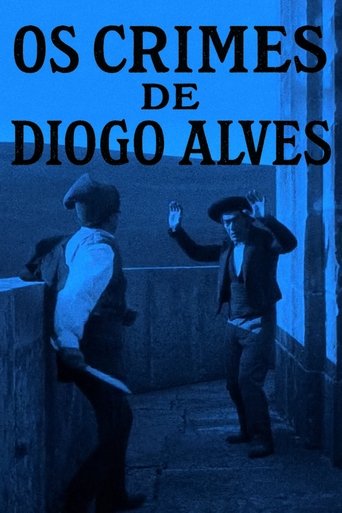
Portuguese actress who emerged during the very early days of Portuguese cinema. Her known film work consists of the 1911 silent film 'Crimes de Diogo Alves,' which was one of the earliest feature-length productions in Portuguese cinema history. Working during the silent era, Soares was part of the first generation of Portuguese film actors who helped establish the national film industry. Her appearance in this historical crime drama suggests she was likely a stage actress who transitioned to the new medium of cinema, as was common during this period. The film itself was based on the real-life story of Diogo Alves, a notorious 19th-century Portuguese criminal who terrorized Lisbon. Soares' career appears to have been brief, limited to the year 1911, which was typical for many early film actors who appeared in only one or two productions before returning to stage work or leaving the entertainment industry entirely. Her contribution, while small in scope, represents an important part of Portugal's cinematic heritage during its formative years.
The Craft
On Screen
As a silent era actress, Amélia Soares would have employed the theatrical and exaggerated acting style typical of early cinema, using dramatic gestures, facial expressions, and body language to convey emotions and narrative without dialogue. Her performance would have been influenced by stage acting techniques, as most early film actors came from theatrical backgrounds.
Milestones
- Appeared in 'Crimes de Diogo Alves' (1911), one of Portugal's earliest feature films
- Participated in Portuguese cinema during its silent era
- Contributed to early national film industry development
Best Known For
Iconic Roles
Must-See Films
Working Relationships
Worked Often With
Studios
Why They Matter
Impact on Culture
Amélia Soares represents the generation of Portuguese cinema, contributing to the establishment of national film production during its infancy in 1911. Her participation in 'Crimes de Diogo Alves' places her among the first Portuguese actors to appear in feature-length films, helping to lay the groundwork for future generations of Portuguese performers. Though her career was brief, her work is historically significant as part of Portugal's cinematic heritage during the silent era, a period when national film industries were struggling to establish themselves against dominant foreign productions.
Lasting Legacy
Amélia Soares' legacy lies in her role as one of the earliest documented Portuguese film actresses, representing the foundational period of Portuguese cinema. Her appearance in 'Crimes de Diogo Alves' ensures her place in film history as a contributor to one of Portugal's first narrative feature films. While she may not have achieved lasting fame, her work is preserved as part of the historical record of early Portuguese cinema, serving as proof of the artists who helped establish national film culture during the silent era.
Who They Inspired
Due to the brief nature of her known career, Amélia Soares' direct influence on subsequent generations of actors is difficult to trace. However, as part of the group of Portuguese film performers, she contributed to establishing the precedent for Portuguese actors working in national cinema. Her work, alongside other early Portuguese filmmakers and actors, helped demonstrate that Portuguese stories and performers could succeed on screen, encouraging future investment in national film production.
Off Screen
Very little is known about Amélia Soares' personal life, which was common for many early film actors whose careers were brief and occurred before comprehensive film industry record-keeping was established. Her brief appearance in Portuguese cinema suggests she may have been primarily a stage actress who made a one-time foray into film or someone who left the entertainment industry shortly after her screen debut.
Did You Know?
- Appeared in one of Portugal's first feature-length films
- Worked during the silent era before Portuguese cinema was fully established
- Her only known film was based on a real historical criminal
- Portuguese cinema in 1911 was still in its experimental phase
- Most early Portuguese films from this period have been lost
- Actors in early Portuguese cinema often came from theater backgrounds
- The film she appeared in was directed by João de Freitas, a pioneer of Portuguese cinema
- Diogo Alves was known as 'The Aqueduct Murderer' in 19th-century Lisbon
- Early Portuguese films often focused on national historical figures and events
- Film preservation in Portugal during the early 20th century was limited, making her work historically precious
Frequently Asked Questions
Who was Amélia Soares?
Screen credits include the 1911 film 'Crimes de Diogo Alves,' one of the earliest feature films produced in Portugal. She was part of the first generation of Portuguese film actors who helped establish the national cinema industry during its formative years.
What films is Amélia Soares best known for?
Titles linked here include Crimes de Diogo Alves (1911).
When was Amélia Soares active in cinema?
Amélia Soares was active in cinema only during the year 1911, appearing in 'Crimes de Diogo Alves.' Her brief active years covered the silent era of Portuguese cinema, a time when the national film industry was just beginning to establish itself.
What was the significance of 'Crimes de Diogo Alves'?
'Crimes de Diogo Alves' (1911) was historically significant as one of Portugal's first feature-length narrative films, directed by João de Freitas. The film told the story of Diogo Alves, a real criminal who terrorized Lisbon in the 1840s, and represented an early attempt by Portuguese filmmakers to create national cinema based on Portuguese history and culture.
How does Amélia Soares fit into Portuguese film history?
Amélia Soares represents the generation of Portuguese cinema, being among the first actresses to appear in Portuguese feature films. Her work contributes to the historical record of early Portuguese cinema and helps document the establishment of national film culture during the silent era.