Films
1 film
About Gertrudes Lima
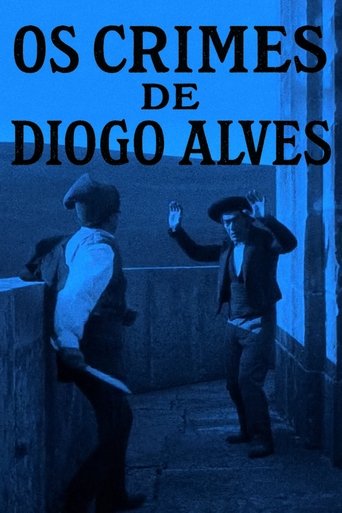
Portuguese actress who worked during the earliest days of Portuguese cinema. Her career, though brief, coincided with the birth of narrative filmmaking in Portugal, making her one of the first documented performers in Portuguese film history. Gertrudes appears in 'Crimes de Diogo Alves' (1911), which was one of Portugal's earliest feature-length films and a landmark production in the country's cinematic development. The film was directed by João de Barro and dramatized the notorious crimes of Diogo Alves, a real-life serial killer who terrorized 19th-century Lisbon. Like many early film actors, her background in theater likely contributed to her transition to the new medium of cinema. Her work in this historic production represents a significant contribution to Portuguese film heritage, though detailed records of her life and career are scarce due to the limited documentation of early cinema in Portugal.
The Craft
Milestones
- Starred in 'Crimes de Diogo Alves' (1911), one of Portugal's earliest feature films
- Pioneer of Portuguese silent cinema
Best Known For
Iconic Roles
Must-See Films
Working Relationships
Worked Often With
Why They Matter
Impact on Culture
Gertrudes Lima represents the generation of Portuguese film actors who helped establish cinema as an art form in Portugal. Her participation in 'Crimes de Diogo Alves' (1911) places her among the foundational figures of Portuguese cinema history. Though her career was brief and largely undocumented, her work contributed to the cultural development of Portuguese national cinema during its formative years. The film itself was significant for choosing to portray a notorious Portuguese criminal, helping establish national themes in Portuguese filmmaking.
Lasting Legacy
Gertrudes Lima's legacy lies in her role as one of the first documented actresses in Portuguese cinema history. Her appearance in 'Crimes de Diogo Alves' makes her part of the foundation upon which Portuguese cinema was built. While individual details about her life and career may be lost to history, her contribution to preserving and portraying Portuguese stories on screen during cinema's earliest days represents an important cultural milestone. She stands as a representative of the brave pioneers who embraced the new medium of film when it was still an experimental art form.
Who They Inspired
Due to the extremely early period of her career and limited documentation, specific influences of Gertrudes Lima on later actors or filmmakers cannot be definitively traced. However, as one of the first Portuguese film performers, she helped establish the precedent for Portuguese actors working in cinema rather than exclusively in theater. Her work in early narrative films demonstrated the potential for cinema to tell Portuguese stories, influencing subsequent generations of Portuguese filmmakers and performers.
Off Screen
Very little is documented about Gertrudes Lima's personal life, which was common for many early film actors, especially those working outside the major film industries. Her brief appearance in cinema history coincided with the very beginning of narrative filmmaking in Portugal.
Did You Know?
- 'Crimes de Diogo Alves' (1911) was one of the very first feature films produced in Portugal
- The film she appeared in was based on the real-life serial killer Diogo Alves, known as the 'Aqueduct Murderer' of 19th-century Lisbon
- 1911 was the same year Portugal established its first republic, making her film part of a transformative period in Portuguese history
- Early Portuguese films like 'Crimes de Diogo Alves' are now considered extremely rare, with many lost to time
- The film was directed by João de Barro, one of Portugal's earliest film directors
- Her entire known film career spans just one year, 1911
- She worked during the silent era before synchronized sound technology was developed
- Portuguese cinema of this period was heavily influenced by French and Italian film industries
Frequently Asked Questions
Who was Gertrudes Lima?
Portuguese actress from the silent film era, known for her role in 'Crimes de Diogo Alves' (1911), one of Portugal's earliest feature films. She represents the first generation of actors in Portuguese cinema history, though detailed information about her life is scarce due to limited documentation from this early period of filmmaking.
What films is Gertrudes Lima best known for?
Titles linked here include Crimes de Diogo Alves (1911).
When was Gertrudes Lima born and when did she die?
Specific birth and death dates for Gertrudes Lima are not documented in available historical records, which is common for many early film actors, especially those working in smaller film industries during the silent era. Her career is only known to have been active in 1911.
What awards did Gertrudes Lima win?
No awards or nominations for Gertrudes Lima are documented, which is typical for actors working in the very early days of cinema before formal award systems were established. The film industry was still in its infancy during her brief career.
What was Gertrudes Lima's acting style?
Specific details about Gertrudes Lima's acting style are not documented in available historical records. However, actors of the 1911 silent era typically employed exaggerated gestures and facial expressions to convey emotion without dialogue, often drawing from theatrical traditions.