Films
1 film
About Artur Braga
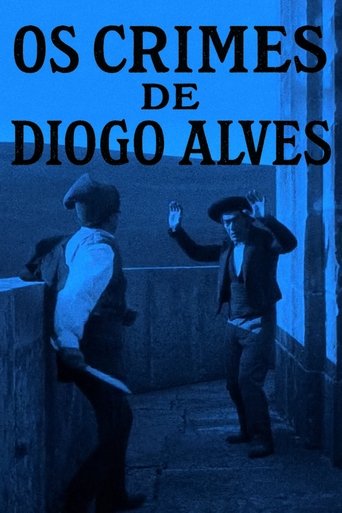
Portuguese actor who emerged during the earliest days of cinema in Portugal. His sole known film appearance was in 'Crimes de Diogo Alves' (1911), one of the first narrative feature films produced in Portugal. This film, directed by João de Barro, was based on the notorious 19th-century Portuguese serial killer Diogo Alves, known as the 'Aqueduct Murderer.' Braga's participation in this production places him among the very first generation of Portuguese film actors. The film itself was a significant milestone in Portuguese cinema, representing the country's move into narrative feature filmmaking. Unfortunately, like many actors from this very early period of cinema, detailed records of Braga's life and career are extremely scarce. His single known film credit suggests he may have been a stage actor who transitioned briefly to the new medium of cinema, or perhaps a local talent recruited for this specific production. The film's historical significance as one of Portugal's earliest surviving narrative features makes Braga's contribution, however brief, an important part of Portuguese film history.
The Craft
On Screen
Likely employed theatrical acting techniques common in early silent cinema, with exaggerated gestures and expressions typical of the period
Milestones
- Appeared in 'Crimes de Diogo Alves' (1911), one of Portugal's earliest narrative feature films
Best Known For
Iconic Roles
Must-See Films
Working Relationships
Worked Often With
Why They Matter
Impact on Culture
Artur Braga represents the earliest generation of Portuguese cinema actors who helped establish the foundation of film in Portugal. His participation in 'Crimes de Diogo Alves' places him among the pioneers who transitioned from theatrical traditions to the new medium of cinema. While his filmography consists of only one known film, this work was instrumental in demonstrating the potential of cinema as a narrative art form in Portugal. The film itself was based on one of Portugal's most infamous criminal cases, helping to establish the true crime genre in Portuguese cinema. Early actors like Braga paved the way for the development of a national film industry and acting style that would evolve throughout the 20th century.
Lasting Legacy
Artur Braga's legacy is preserved through his role in one of Portugal's earliest surviving narrative films. As one of the first actors to appear in Portuguese cinema, he represents the embryonic stage of the country's film industry. The film 'Crimes de Diogo Alves' has become an important historical document, studied by film historians interested in the origins of Portuguese cinema. Braga's contribution, though small in scope, is part of the broader story of how cinema developed as an art form in Portugal, moving from simple actualities to complex narrative storytelling. His work serves as a reminder of the many forgotten pioneers who helped establish cinema in countries around the world during its first decade.
Who They Inspired
Given the extremely limited filmography and the early period in which he worked, there is little documented evidence of Artur Braga's direct influence on subsequent generations of Portuguese actors. However, as part of the first wave of film actors in Portugal, he contributed to establishing acting conventions for the silent era that would influence later performers. The theatrical style likely employed by Braga and his contemporaries would gradually evolve as cinema developed its own distinct acting techniques throughout the silent era and into the sound period.
Off Screen
Very little is documented about Artur Braga's personal life, which was common for actors from the very early cinema period in Portugal. Many early film performers came from theatrical backgrounds or were local residents recruited for specific productions.
Did You Know?
- Appeared in one of Portugal's first narrative feature films
- The film 'Crimes de Diogo Alves' was based on a real 19th-century Portuguese serial killer
- 1911 was just 16 years after the invention of cinema by the Lumière brothers
- Portuguese cinema was still in its infancy when Braga made his film
- The film was directed by João de Barro, an important early Portuguese filmmaker
- Diogo Alves, the film's subject, was known as the 'Aqueduct Murderer' and killed 70 people
- Early Portuguese films like this one are extremely rare historical documents
- Most actors from this period in Portuguese cinema have been lost to history
- The film represents one of the earliest examples of the true crime genre in cinema
Frequently Asked Questions
Who was Artur Braga?
Portuguese with credits in this catalog. He represents the first generation of actors in Portuguese cinema.
What films is Artur Braga best known for?
Titles linked here include Crimes de Diogo Alves (1911).
When was Artur Braga born and when did he die?
Specific birth and death dates for Artur Braga are not documented in available historical records, which is common for actors from this very early period of Portuguese cinema. He was active in 1911.
What awards did Artur Braga win?
Artur Braga did not receive any documented awards, as he worked during the earliest days of Portuguese cinema when formal award systems for film had not yet been established in Portugal.
What was Artur Braga's acting style?
Like most actors from the early silent era, Artur Braga likely employed theatrical acting techniques with exaggerated gestures and expressions, as this was the standard style before more naturalistic film acting developed in later years.
Why is Artur Braga significant in film history?
Artur Braga is significant as one of the first actors in Portuguese cinema, representing the generation that helped establish film as an art form in Portugal. His work in 'Crimes de Diogo Alves' makes him part of the foundation of Portuguese film history.