Films
1 film
About José Climaco
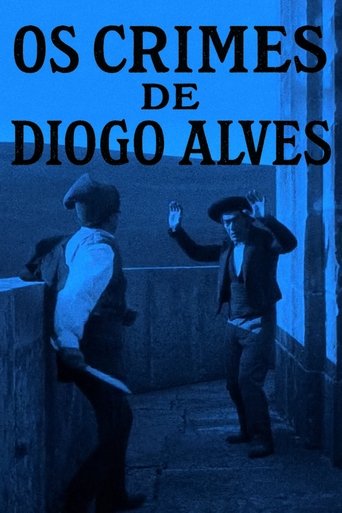
This archive lists one role for José Climaco: Crimes of Diogo Alves (1911). His known filmography consists of a single appearance in the 1911 silent film 'Crimes of Diogo Alves,' which was one of the earliest narrative films produced in Portugal. The film dramatized the notorious crimes of Diogo Alves, a Spanish serial killer who terrorized Lisbon in the 1840s. As an actor in the silent era, Climaco would have relied heavily on physical expression and exaggerated gestures to convey emotion, typical of early cinematic acting styles. His brief appearance in this historical production places him among the first generation of Portuguese film actors. Unfortunately, like many performers from this very early period of cinema, detailed records of his life and career are extremely limited, and 'Crimes of Diogo Alves' appears to be his only known film credit.
The Craft
On Screen
As a silent era actor, José Climaco would have employed the theatrical, exaggerated acting style typical of early cinema, emphasizing physical gestures and facial expressions to convey emotion without dialogue
Milestones
- Appeared in 'Crimes of Diogo Alves' (1911), one of Portugal's earliest narrative feature films
Best Known For
Iconic Roles
Must-See Films
Working Relationships
Studios
Why They Matter
Impact on Culture
José Climaco represents the generation of Portuguese cinema, participating in one of the nation's earliest narrative films. His appearance in 'Crimes of Diogo Alves' (1911) places him among the first actors to help establish Portugal's film industry during its infancy. While his individual contribution was limited to a single film, he was part of a foundational moment in Portuguese cinematic history, when filmmakers were first adapting national stories and legends to the new medium of motion pictures. The film itself, based on a notorious true crime story from Portuguese history, demonstrated early Portuguese cinema's interest in sensational, dramatic subject matter that would appeal to local audiences.
Lasting Legacy
José Climaco's legacy is primarily historical rather than artistic, serving as a representative of the very first generation of Portuguese film actors. Like many early cinema performers, his work has been largely lost to time, with 'Crimes of Diogo Alves' being a significant but obscure piece of film history. His contribution lies in his participation in establishing the foundation of Portuguese cinema during its formative years. While he may not be remembered as a significant artist, he represents the countless anonymous actors who helped launch national film industries around the world in cinema's first decade.
Who They Inspired
Given his brief career and single film appearance, José Climaco's direct influence on subsequent generations of actors or filmmakers is undocumented. However, as part of the group that established Portuguese cinema, he contributed indirectly to creating a cinematic tradition that future Portuguese performers would build upon.
Off Screen
Very little is known about José Climaco's personal life, which is typical for actors from the very early silent era who often appeared in only one or two films before leaving the industry or returning to other professions.
Did You Know?
- Appeared in one of Portugal's earliest surviving narrative films from 1911
- The film 'Crimes of Diogo Alves' was based on a real 19th-century serial killer who terrorized Lisbon
- 1911 was a pivotal year for Portuguese cinema, which was still in its infancy
- Many actors from this period appeared in only one or two films before leaving the industry
- Silent era actors like Climaco had to rely entirely on physical expression and pantomime
- The film was produced during the early Portuguese First Republic period (1910-1926)
- Early Portuguese cinema often adapted local legends and true crime stories
- Most films from this era in Portugal are now lost or exist only in fragments
Frequently Asked Questions
Who was José Climaco?
Screen credits include the silent era, known for his single role in the 1911 film 'Crimes of Diogo Alves.' He was among the first generation of actors in Portuguese cinema during its formative years.
What films is José Climaco best known for?
Titles linked here include Crimes of Diogo Alves (1911).
When was José Climaco born and when did he die?
Unfortunately, José Climaco's birth and death dates are not documented in historical records, which is common for actors from the very early silent era who had brief careers in cinema.
What awards did José Climaco win?
José Climaco did not receive any documented awards or nominations, which is typical for actors from the very early period of cinema (1910s) when formal award systems had not yet been established.
What was José Climaco's acting style?
As a silent era actor, José Climaco would have used the theatrical, exaggerated acting style typical of early cinema, relying heavily on physical gestures, facial expressions, and body language to convey emotions and tell stories without dialogue.