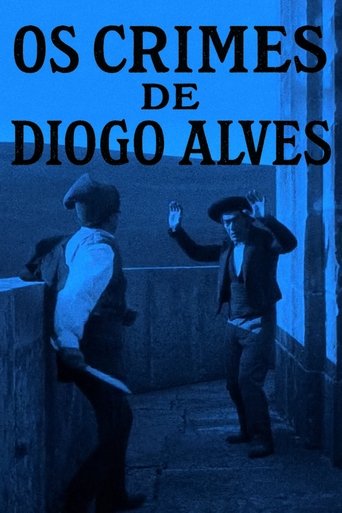
Films
1 film
About Frederico Matos
Actor in Portuguese cinema during the silent film era, best known for his appearance in the 1911 film 'Crimes of Diogo Alves.' As one of the earliest performers in Portuguese cinema history, Matos participated in what is considered one of Portugal's first feature-length films, a significant milestone in the country's cinematic development. His career appears to have been brief, with documented activity confined to the year 1911, which was typical for many early film actors who transitioned from theater to the new medium of cinema. The film itself was based on the notorious real-life serial killer Diogo Alves, who terrorized Lisbon in the 19th century, making Matos part of an early example of true crime cinema in Portugal. Little is known about his theatrical background or how he came to be cast in this production, but his involvement places him among the foundational figures of Portuguese film history. The silent era in Portugal was characterized by limited resources and small production companies, suggesting Matos was likely part of a small troupe of actors working with Portuguese filmmakers of the time.
The Craft
Milestones
- Starred in 'Crimes of Diogo Alves' (1911), one of Portugal's first feature films
- figure in Portuguese silent cinema
- Early contributor to Portuguese true crime cinema genre
Best Known For
Iconic Roles
Must-See Films
Why They Matter
Impact on Culture
Frederico Matos represents the foundational generation of Portuguese cinema, participating in one of the country's earliest narrative feature films. His appearance in 'Crimes of Diogo Alves' (1911) places him among the pioneers who helped establish Portuguese film culture during a period when cinema was still a novel and experimental art form. The film itself was significant for being one of the first Portuguese productions to tackle a notorious local criminal case, establishing an early precedent for true crime storytelling in Portuguese cinema. While individual contributions of actors from this era are often lost to history, collectively they laid the groundwork for Portugal's film industry, which would develop more substantially in subsequent decades. Matos and his contemporaries were instrumental in demonstrating that Portuguese stories and Portuguese actors could succeed in the new medium of cinema, helping to legitimize film as a serious artistic and cultural endeavor in Portugal.
Lasting Legacy
Frederico Matos' legacy is primarily historical rather than artistic, as he represents the earliest generation of Portuguese film actors who worked during the infancy of cinema in Portugal. His participation in 'Crimes of Diogo Alves' ensures his place in film history books as one of the first actors to appear in a Portuguese feature film, even though his specific performance and role details have been lost to time. Like many early cinema pioneers, his contribution lies in being part of the experimental phase that proved Portuguese cinema was viable and worth pursuing. While later generations of Portuguese actors would achieve greater fame and leave more substantial artistic legacies, Matos and his contemporaries were the trailblazers who made those later achievements possible. His name serves as a reminder of the anonymous many who contributed to cinema's development worldwide during its earliest decades.
Who They Inspired
Due to the brevity of his documented career and the limited survival of early Portuguese films, Frederico Matos' direct influence on subsequent actors and filmmakers is difficult to trace. However, as part of the generation of Portuguese cinema, he indirectly influenced future Portuguese performers by helping establish that acting for film was a viable profession in Portugal. The very existence of 'Crimes of Diogo Alves' and other early Portuguese films demonstrated to later generations that Portuguese stories could be successfully adapted to cinema, encouraging the development of a national film industry and acting tradition.
Off Screen
Very little is documented about the personal life of Frederico Matos, which is typical for many early silent film actors from Portugal. As an actor working in 1911, he would have been part of the transitional generation from theatrical performance to the new medium of cinema. Given the limited scope of early Portuguese film production, he likely had other occupations or theatrical engagements beyond his brief film career.
Did You Know?
- Appeared in one of Portugal's first feature-length films in 1911
- The film 'Crimes of Diogo Alves' was based on a real 19th-century serial killer who operated in Lisbon
- 1911 was the same year that the Portuguese Republic was established, making this film part of a transitional period in Portuguese history
- Early Portuguese cinema was heavily influenced by French and Italian film production
- Most Portuguese silent films from this era have been lost, making surviving documentation about actors like Matos extremely rare
- The film industry in Portugal during 1911 was extremely small, with only a handful of productions being made annually
- Actors in early Portuguese cinema often came from theater backgrounds, as film was not yet considered a prestigious medium
Frequently Asked Questions
Who was Frederico Matos?
Portuguese with credits in this catalog. He was among the generation of actors who helped establish Portuguese cinema during its infancy in the early 20th century.
What films is Frederico Matos best known for?
Titles linked here include Crimes of Diogo Alves (1911).
When was Frederico Matos born and when did he die?
The birth and death dates of Frederico Matos are not documented in historical records, which is common for many early cinema actors from Portugal. His only known professional activity was in 1911.
What was significant about 'Crimes of Diogo Alves' (1911)?
The film was significant as one of Portugal's first feature films and was based on the real-life serial killer Diogo Alves who terrorized Lisbon in the 19th century. It represents an early example of true crime cinema in Portugal.
What was Portuguese cinema like in 1911?
Portuguese cinema in 1911 was in its absolute infancy, with very limited production resources and only a handful of films being made annually. Most films were short, and feature-length productions like 'Crimes of Diogo Alves' were rare and significant achievements.