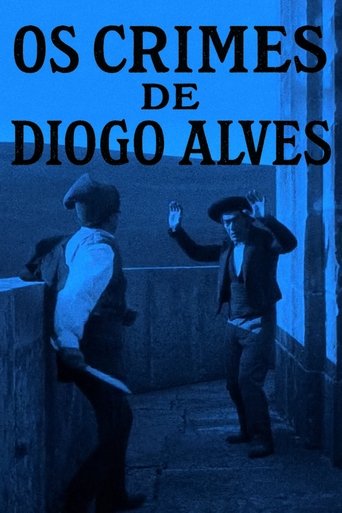
Films
1 film
About Antônio Leal
Portuguese actor who emerged during the earliest days of cinema in Portugal. His sole known film appearance was in the 1911 silent film 'Crimes of Diogo Alves,' which depicted the notorious 19th-century Portuguese serial killer who terrorized Lisbon. Leal's participation in this production places him among the first generation of Portuguese film actors, working at a time when the Portuguese film industry was in its infancy. The film itself was significant as one of the earliest Portuguese narrative features, based on real criminal history that had captivated the Portuguese public. Unfortunately, like many actors from this era, detailed records of Leal's life and career are scarce, reflecting the limited documentation and preservation of early Portuguese cinema. His work represents an important but often overlooked chapter in the development of Iberian film history.
The Craft
Milestones
- Appeared in 'Crimes de Diogo Alves' (1911), one of Portugal's earliest narrative feature films
Best Known For
Iconic Roles
Must-See Films
Why They Matter
Impact on Culture
Antônio Leal represents the generation of Portuguese cinema, working at a time when film was still establishing itself as an art form in Portugal. His appearance in 'Crimes de Diogo Alves' contributes to the historical record of Portuguese cinematic development, even though individual contributions from this era are often overlooked. The film itself was significant for its early attempt to bring Portuguese criminal history to the screen, reflecting the nation's interest in its own cultural narratives.
Lasting Legacy
As one of the earliest documented Portuguese film actors, Antônio Leal's legacy lies in his participation in the foundational years of Portuguese cinema. While his career appears to have been brief, his work in 'Crimes de Diogo Alves' represents an important artifact of early Portuguese filmmaking. The scarcity of information about him is typical of many early film actors whose contributions have been lost to time, but who nonetheless played crucial roles in establishing cinema as a cultural medium in Portugal.
Who They Inspired
Due to the limited documentation of his career and the early period in which he worked, specific influences of Antônio Leal on subsequent generations of Portuguese actors are difficult to trace. However, as part of the first wave of Portuguese film performers, he contributed to establishing the foundation upon which later Portuguese cinema would build.
Off Screen
Very little is documented about Antônio Leal's personal life, which is typical for actors from the earliest days of Portuguese cinema. Like many performers of this era, he may have been primarily a theater actor who ventured briefly into the new medium of film.
Did You Know?
- 'Crimes de Diogo Alves' (1911) was based on the real-life Portuguese serial killer Diogo Alves, who was active in the 1840s and executed in 1841
- The film is considered one of Portugal's earliest narrative feature films
- 1911 was a significant year for Portugal, marking the end of the monarchy and establishment of the republic, which likely influenced cultural production including cinema
- Early Portuguese films like this are extremely rare, with many lost to time due to poor preservation conditions
- The film's subject matter was particularly daring for its time, dealing with criminal psychology and violence
Frequently Asked Questions
Who was Antônio Leal?
Portuguese with credits in this catalog.
What films is Antônio Leal best known for?
Titles linked here include Crimes de Diogo Alves (1911).
When was Antônio Leal active in cinema?
Antônio Leal's known film career was limited to 1911, placing him among the very first generation of Portuguese film actors during the infancy of cinema in Portugal.
What was the significance of 'Crimes de Diogo Alves'?
The 1911 film was significant as one of Portugal's earliest narrative features, based on real criminal history, and represented an early attempt by Portuguese filmmakers to create culturally relevant content for domestic audiences.
Why is so little known about Antônio Leal?
Like many actors from the earliest days of cinema, especially in smaller film industries like Portugal, detailed records were not systematically kept, and many early films and their performers have been lost to history.