Films
1 film
About João Tavares
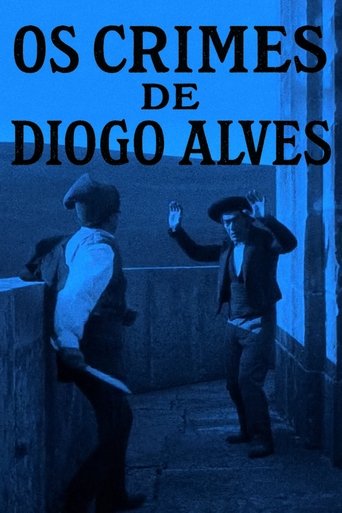
Portuguese filmmaker who emerged during the earliest days of cinema in Portugal. His most notable work was the 1911 film 'Crimes of Diogo Alves,' which dramatized the real-life story of the infamous Portuguese serial killer who terrorized Lisbon in the 1840s. Working in the silent era, Tavares was among the first generation of Portuguese directors to explore historical and criminal subjects on film. His career appears to have been extremely brief, with 1911 being the only documented year of his filmmaking activity. The film 'Crimes of Diogo Alves' represents a significant early example of Portuguese cinema's engagement with national history and folklore. Unfortunately, like many films from this period, much of Tavares' work and personal history have been lost to time, making him a somewhat mysterious figure in Portuguese film history. His contribution, though brief, places him among the trailblazers who helped establish cinema as an art form in Portugal during its nascent stages.
The Craft
Behind the Camera
Early silent era director who worked with historical and criminal subject matter, likely employing the dramatic and theatrical techniques common in cinema of the 1910s
Milestones
- Directed 'Crimes of Diogo Alves' (1911)
- Pioneer of Portuguese silent cinema
- Early adapter of historical true crime narratives in film
Best Known For
Must-See Films
Accolades
Special Recognition
- Recognized as an early pioneer of Portuguese cinema
Why They Matter
Impact on Culture
João Tavares represents an important though obscure chapter in Portuguese film history as one of the earliest directors working in the country. His film 'Crimes of Diogo Alves' demonstrates how early Portuguese cinema engaged with national history and folklore, using the notorious story of a real 19th-century criminal to create dramatic content for audiences. This approach helped establish a tradition of Portuguese filmmakers drawing from local history and legends, a practice that would continue throughout the 20th century. Though his career was brief, Tavares' work contributes to our understanding of how cinema developed as a cultural medium in Portugal during its formative years.
Lasting Legacy
João Tavares' legacy lies primarily in his contribution as one of Portugal's earliest film directors during the silent era. While 'Crimes of Diogo Alves' may be his only surviving documented work, it represents the ambitious scope of early Portuguese filmmakers who sought to create compelling narratives based on national history. His work serves as an important reference point for film historians studying the development of cinema in Portugal and the broader Iberian Peninsula. The film's subject matter - a notorious serial killer from Portuguese history - shows that early cinema was not afraid to tackle dark and controversial subjects, a tradition that would influence future generations of Portuguese filmmakers.
Who They Inspired
As an early pioneer, João Tavares likely influenced subsequent Portuguese filmmakers through his example of adapting national historical events for the screen. His choice to dramatize the story of Diogo Alves may have inspired other Portuguese directors to explore their country's rich history and folklore through cinema. However, due to the scarcity of information about his life and work, and the likely loss of many of his films, his direct influence on later filmmakers remains difficult to trace definitively.
Off Screen
Very little is documented about João Tavares' personal life, which is common for many early filmmakers from the silent era. His brief appearance in film history suggests he may have been involved in cinema only temporarily or that other works have been lost to time.
Did You Know?
- Diogo Alves, the subject of Tavares' film, was a real serial killer who murdered around 70 people in Lisbon between 1836-1840
- The film 'Crimes of Diogo Alves' is considered one of the earliest examples of true crime cinema in Portugal
- Diogo Alves' severed head was preserved in scientific collections and was only buried in 2011, exactly 100 years after Tavares' film
- 1911 was a significant year in Portuguese history, marking the establishment of the Portuguese Republic, which may have influenced the cultural climate for filmmaking
- Early Portuguese cinema like Tavares' work often faced challenges including limited resources, political instability, and the difficulty of film preservation
- Many films from this era in Portugal have been lost, making surviving works like Tavares' particularly valuable to film historians
Frequently Asked Questions
Who was João Tavares?
Portuguese on YTB.my.' He was among the first generation of filmmakers in Portugal, though his career appears to have been extremely brief, with 1911 being the only documented year of his filmmaking activity.
What films is João Tavares best known for?
Titles linked here include Crimes of Diogo Alves (1911).
When was João Tavares born and when did he die?
Unfortunately, specific birth and death dates for João Tavares are not documented in available historical records, which is common for many early filmmakers from the silent era. We know he was active as a director in 1911 and was Portuguese by nationality.
What awards did João Tavares win?
There are no documented awards or nominations for João Tavares, which is typical for filmmakers working in the earliest days of cinema when formal award systems had not yet been established. His recognition comes primarily from his status as a pioneer of Portuguese film history.
What was João Tavares' directing style?
While specific details about João Tavares' directing style are limited, as a 1911 silent filmmaker he likely employed the dramatic and theatrical techniques common in early cinema. His choice to adapt a true crime story suggests an interest in historical and sensational subject matter that would engage early cinema audiences.