No Poster
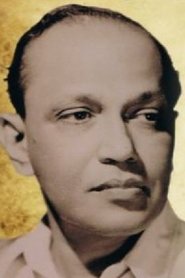
Debaki Bose
Director
Born: November 25, 1898 in Burdwan, Bengal Presidency, British India (now West Bengal, India) Died: November 17, 1971 Active: 1928-1966 Birth Name: Debaki Kumar Bose
Films
1 film
About Debaki Bose
Debaki Kumar Bose — Indian film director, writer, and actor who revolutionized Bengali and Indian cinema during the early decades of the 20th century. Born in 1898 in Burdwan, Bengal, Bose began his career in the silent film era and successfully transitioned to talkies, becoming filmmakers of his time. He joined New Theatres in 1930, where he directed some of his most acclaimed works, including 'Chandidas' (1932), which was one of the first Indian films to use background music to enhance the narrative. His 1937 masterpiece 'Vidyapati' starring Prithviraj Kapoor and Kanan Devi was a landmark achievement that showcased his ability to blend classical music with cinematic storytelling. Bose was known for his technical innovations, including the use of playback singing and elaborate set designs that brought historical and mythological stories to life. Throughout his career spanning nearly four decades, he directed over 50 films in multiple languages, including Bengali, Hindi, and Tamil, often focusing on social reform themes and mythological subjects. His films consistently challenged social norms and advocated for progressive values, making him not just an entertainer but a social commentator. Bose received numerous accolades for his contributions, including the Padma Shri in 1958, cementing his legacy as one of Indian cinema's founding fathers.
The Craft
Behind the Camera
Debaki Bose was renowned for his innovative directing style that combined technical experimentation with strong social consciousness. He pioneered the use of background music to enhance narrative impact, introduced elaborate set designs that created immersive historical worlds, and was among the first to effectively use playback singing. His visual storytelling was characterized by careful composition, symbolic imagery, and a blend of realism with theatrical grandeur. Bose often tackled progressive themes including caste discrimination, women's rights, and religious tolerance, using cinema as a medium for social reform. His approach to mythological subjects was distinctive, treating them as human stories with contemporary relevance rather than mere devotional tales.
Milestones
- Directed 'Chandidas' (1932), one of the first Indian films with background music
- Created the masterpiece 'Vidyapati' (1937) starring Prithviraj Kapoor
- Pioneered the use of playback singing in Indian cinema
- Directed 'Seeta' (1934), the first Indian film to be screened internationally at Venice
- Received Padma Shri award in 1958 for contributions to Indian cinema
- Worked with New Theatres, establishing it as a premier film production house
- Directed films in multiple languages: Bengali, Hindi, Tamil, and English
Best Known For
Iconic Roles
Must-See Films
Accolades
Won
- Padma Shri (1958)
- Sangeet Natak Akademi Award for Film Direction (1959)
- National Film Award for Best Feature Film in Bengali for 'Sagar Sangamey' (1959)
- BFJA Award for Best Director multiple times (1950s-1960s)
- Kalakar Award for lifetime achievement
Nominated
- Venice International Film Festival - Mussolini Cup for 'Seeta' (1934)
- Cannes Film Festival - Palme d'Or for 'Sagar Sangamey' (1959)
- Multiple Filmfare Award nominations in the 1950s and 1960s
Special Recognition
- Padma Shri, India's fourth-highest civilian award (1958)
- Sangeet Natak Akademi Award (1959)
- Dadasaheb Phalke Award consideration (though not officially awarded)
- Honored at multiple international film festivals
- Featured in Indian Postal Service commemorative stamps
- Bengal Film Journalists' Association Lifetime Achievement Award
Working Relationships
Worked Often With
Studios
Why They Matter
Impact on Culture
Debaki Bose fundamentally transformed Indian cinema through his technical innovations and progressive storytelling. He was among the first directors to use background music systematically to enhance emotional impact, a technique that became standard in Indian films. His work at New Theatres helped establish Calcutta as a major center of Indian film production, competing with Bombay. Bose's films addressed social issues like caste discrimination, women's education, and religious harmony, using popular cinema as a vehicle for social reform. His success with mythological subjects like 'Vidyapati' demonstrated how traditional stories could be made relevant to contemporary audiences. Bose's international recognition, particularly with 'Seeta' at Venice, helped establish Indian cinema on the global stage decades before it became internationally recognized. His emphasis on high production values and artistic integrity raised the standards of commercial Indian cinema.
Lasting Legacy
Debaki Bose's legacy endures through his lasting influence on Indian cinema's technical and artistic development. He is remembered as a visionary who brought technical sophistication to Indian films while maintaining their cultural authenticity. His work with playback singing revolutionized Indian film music, creating the template that Bollywood and other Indian film industries still follow. Bose's emphasis on social themes paved the way for later filmmakers like Satyajit Ray and Mrinal Sen to address serious social issues through cinema. His films continue to be studied in film schools for their innovative techniques and artistic merit. The Debaki Bose Memorial Award has been instituted in his honor to recognize excellence in Indian cinema. His approach to blending entertainment with social consciousness remains a model for socially responsible filmmaking in India.
Who They Inspired
Debaki Bose influenced multiple generations of Indian filmmakers through his technical innovations and thematic concerns. His use of background music and playback singing directly influenced the development of the song-and-dance format that became central to Indian cinema. Filmmakers like Satyajit Ray acknowledged learning from Bose's visual storytelling techniques, particularly his use of symbolism and composition. His social themes inspired the parallel cinema movement of the 1960s and 1970s. Contemporary directors continue to reference his work when adapting mythological subjects for modern audiences. Bose's success in making commercially successful films with artistic integrity demonstrated that quality and popularity could coexist, influencing the approach of art-house filmmakers seeking wider audiences. His work at New Theatres established a model of studio-based filmmaking that influenced the Indian film industry's structure for decades.
Off Screen
Debaki Bose came from a respectable Bengali family in Burdwan and was initially drawn to literature and theater before discovering cinema. He was deeply influenced by the Bengal Renaissance and the growing nationalist movement, which shaped his artistic vision. Despite his success, he maintained a relatively private personal life, focusing intensely on his craft. He was known for his perfectionism and dedication to cinema, often working long hours to achieve his artistic vision. Bose was also a writer and poet, publishing works that reflected his philosophical and social concerns.
Education
B.A. From University of Calcutta; Additional studies in literature and dramatic arts at Visva-Bharati University under Rabindranath Tagore's influence
Family
- Meera Devi (married in 1920s, remained married until his death)
Did You Know?
- Was the first Indian director to shoot a film entirely on location ('Sagar Sangamey')
- Learned filmmaking techniques by studying foreign films imported to India
- Initially wanted to be a writer and published poetry before entering films
- His film 'Seeta' was the first Indian film to receive an international award at Venice
- Often wrote the screenplays for his own films under pseudonyms
- Was one of the few directors of his era to successfully work in multiple Indian languages
- His film 'Vidyapati' was banned in some princely states for its progressive themes
- Introduced the concept of using classical music compositions in film soundtracks
- Was a close associate of Rabindranath Tagore and incorporated his philosophical ideas in films
- His films were among the first to address women's education and empowerment issues
- Pioneered the use of realistic set designs instead of painted backdrops
- Mentored many technicians who later became prominent directors themselves
In Their Own Words
Cinema is not merely entertainment; it is the most powerful medium for social change and education.
A film must touch the heart while stimulating the mind - this is the essence of true art.
When I direct a mythological story, I do not see gods and goddesses, but human beings with universal emotions.
Technical innovation without emotional depth is like a body without a soul.
The camera should not just record; it should interpret and elevate the human experience.
Frequently Asked Questions
Who was Debaki Bose?
Indian on YTB.my. He was known for his technical innovations, particularly in using background music and playback singing, and for creating films with strong social themes that addressed contemporary issues.
What films is Debaki Bose best known for?
When was Debaki Bose born and when did he die?
Born November 25, 1898; died November 17, 1971.
What awards did Debaki Bose win?
Bose received numerous prestigious awards including the Padma Shri in 1958, the Sangeet Natak Akademi Award in 1959, and the National Film Award for Best Feature Film in Bengali for 'Sagar Sangamey' in 1959. His film 'Seeta' also received international recognition at the Venice Film Festival.
What was Debaki Bose's directing style?
Bose's directing style combined technical innovation with social consciousness, featuring elaborate set designs, use of background music and playback singing, and careful visual composition. He was known for treating mythological subjects with psychological depth and addressing progressive social themes including women's rights and caste discrimination.