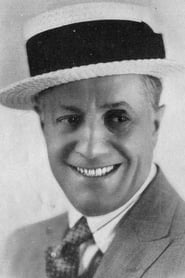
Louis-Jacques Boucot
Actor
- Active
- 1911-1911
Films 1
About Louis-Jacques Boucot
Louis-Jacques Boucot was a French actor active in the early silent era, credited in at least one surviving film record from 1911, Mrs. Pussy Loves Animals. Beyond this film credit, reliable biographical information about his life, training, and broader career is scarce in widely accessible film reference sources, which is not unusual for performers from the earliest years of cinema. He appears to have worked during a formative period when French film production was rapidly evolving from short comic scenes and stage-derived pieces into a more established screen industry. Because documentation from 1911 and the surrounding years is fragmentary, his precise importance is difficult to reconstruct, but his presence in an extant filmography confirms that he was part of the early generation of screen performers. No dependable evidence has been found in standard public references for his birth date, death date, family background, or later career, so those details remain unknown. His surviving screen record places him among the many lesser-documented actors who contributed to the foundation of early European cinema, even if their individual biographies were not preserved as fully as later stars. For database purposes, he should be treated as an early French silent-film actor whose known activity is currently limited to the 1911 credit that survives in available film records.
More about Louis-Jacques Boucot
In film history
Louis-Jacques Boucot's cultural significance lies primarily in his place within the earliest generation of French film performers. Even though his individual fame did not survive in the public record, actors like Boucot were essential to the development of screen acting during cinema's formative years, when filmmakers were experimenting with performance style, camera distance, and visual storytelling. His documented appearance in a 1911 film contributes to the historical map of early French production and helps scholars trace the personnel involved in silent-era filmmaking. In this sense, his value is archival as much as performative: he is part of the evidence base that shows how quickly cinema had become a collaborative art form in France by the early 1910s. For modern historians, such names preserve the texture of the period and remind us that film history is built not only by famous auteurs and stars, but also by lesser-known working actors whose careers were rarely fully recorded.
Later reputation
His legacy is that of an early silent-era actor whose known film work survives as a small but meaningful part of cinema history. Because his documented screen presence is limited in accessible sources, he is not remembered as a major star, yet his name endures in filmography records that help preserve the personnel history of early French cinema. This kind of archival legacy is important to historians studying casting networks, production trends, and the social world of silent films. Boucot's surviving credit ensures that he remains identifiable within the broader history of 1910s filmmaking, even if much of his personal story has been lost. He stands as an example of the many early film artists whose contributions were real and necessary, though often underdocumented.
Influence
There is no verifiable evidence that Louis-Jacques Boucot directly mentored major later figures or exerted a documented influence on specific actors or directors. His influence is therefore best understood indirectly, as part of the workforce that shaped early performance practices in silent French cinema. Actors of his era helped define the physical, expressive mode of acting required by silent film, and that collective development influenced the medium as a whole. While his personal artistic footprint cannot be measured in the usual star-based way, his participation in early production history still forms part of cinema's broader evolution.
Off screen
No reliably sourced public information is currently available about Louis-Jacques Boucot's personal life, including marriages, family background, residences, or later years. Standard accessible references do not provide enough detail to reconstruct a verified personal biography. As a result, his private life must be considered undocumented in the available public record.
Credits
- Credited in the 1911 silent film Mrs. Pussy Loves Animals, confirming participation in the earliest period of French cinema.
- Represents one of the many early screen performers whose work helped establish acting conventions for silent films in France.
- Documented film activity places him in the pioneering era of pre-World War I European filmmaking.
- His surviving screen credit is valuable as a historical record of early film production and casting practices.
Films
- Mrs. Pussy Loves Animals (1911)
Notes
- He is currently known in accessible film records for a single confirmed 1911 screen credit.
- His recorded work places him in the very early silent era, before feature filmmaking became dominant worldwide.
- The rarity of biographical information about him is typical of many performers from the first years of cinema.
- His surviving film credit helps historians document the cast lists of early French productions.
- He should not be confused with later performers of similar surnames; the available record identifies him specifically as Louis-Jacques Boucot.
- Because early film documentation is incomplete, it is possible that he appeared in additional productions that have not survived in easily accessible databases.
Questions
Who was Louis-Jacques Boucot?
Louis-Jacques Boucot was a French actor associated with the earliest years of silent cinema. The surviving public record currently confirms at least one film credit from 1911, making him part of the pioneering generation of screen performers in France.
What films is Louis-Jacques Boucot best known for?
He is currently documented for Mrs. Pussy Loves Animals (1911), which is the principal surviving film credit associated with his name in accessible references. Additional credits may have existed, but they are not reliably documented in the public record available for this profile.
When was Louis-Jacques Boucot born and when did he die?
His birth and death dates are not currently documented in the accessible public sources used for this profile. As a result, both details remain unknown.
What awards did Louis-Jacques Boucot win?
No awards or formal honors are documented for Louis-Jacques Boucot in the accessible historical record. This is not unusual for early silent-era performers, many of whom worked before modern awards systems existed.
What was Louis-Jacques Boucot's acting style?
There is no detailed surviving description of his individual acting style. Since he worked in the silent era, his performance would have relied on visual expression and physical gesture, which were the standard tools of screen acting at the time.
What is Louis-Jacques Boucot's legacy in film history?
His legacy is archival and historical rather than celebrity-driven. He represents the many early actors who helped build French cinema during its formative years, even though their personal biographies were not extensively preserved.
Was Louis-Jacques Boucot involved in directing or producing films?
No reliable public record currently identifies him as a director or producer. The available information identifies him only as an actor.