Films
4 films
About Gertrude McCoy
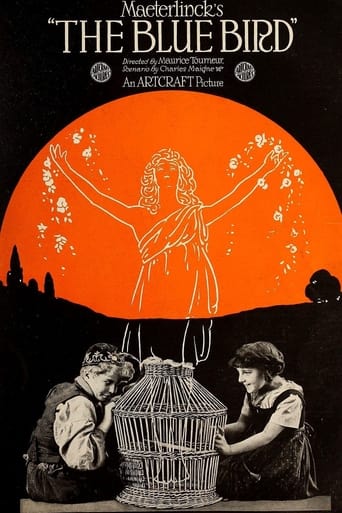
Gertrude McCoy worked on one surviving credit: The Blue Bird (1918). Her most notable and apparently only documented film role was in the 1918 adaptation of Maurice Maeterlinck's celebrated play 'The Blue Bird,' which was produced by Famous Players-Lasky Corporation and directed by Maurice Tourneur. The film was considered an ambitious production for its time, utilizing elaborate sets and special effects to bring the fantastical story to life. McCoy's participation in this prestigious literary adaptation suggests she was likely part of the emerging studio system during Hollywood's formative years. Like many performers from the silent era, her career appears to have been brief, possibly limited by the challenges of the rapidly changing film industry or the transition to sound. The Blue Bird itself was a significant production that showcased the artistic ambitions of early American cinema, though many of its performers, including McCoy, did not achieve lasting fame. Her career represents the countless actors who contributed to cinema's development but whose stories have been largely lost to film history.
The Craft
On Screen
As a silent era performer, McCoy likely employed the exaggerated gestures and facial expressions characteristic of the period, necessary to convey emotion without dialogue. Her role in a fantasy adaptation would have required the ability to express wonder and magical elements through physical performance.
Milestones
- Appeared in 'The Blue Bird' (1918), a prestigious literary adaptation
Best Known For
Iconic Roles
Must-See Films
Working Relationships
Worked Often With
Studios
Why They Matter
Impact on Culture
Gertrude McCoy's contribution to cinema, while brief, represents the collective effort of countless early film actors who helped establish the foundations of American cinema. Her appearance in 'The Blue Bird' places her within an important artistic endeavor that demonstrated cinema's potential to adapt serious literary works, helping to elevate the medium's cultural status during its formative years.
Lasting Legacy
Like many silent era actors whose careers were short-lived, Gertrude McCoy's legacy exists primarily through her participation in historically significant films. 'The Blue Bird' remains an important example of early American fantasy cinema and literary adaptation, ensuring that McCoy's contribution, however small, is preserved within film history.
Who They Inspired
As a supporting performer from the silent era with limited documented career, there is no evidence of McCoy directly influencing other actors or filmmakers. However, her participation in early ambitious productions contributed to the evolving craft of film acting that would influence future generations.
Off Screen
Very little documented information exists about Gertrude McCoy's personal life, which was common for many supporting players and bit actors from the silent era whose careers were brief and whose lives were not extensively recorded in film history archives.
Did You Know?
- The Blue Bird (1918) was considered a lost film for decades before a copy was discovered
- The film was an adaptation of a Nobel Prize-winning play by Maurice Maeterlinck
- Director Maurice Tourneur was considered
- The Blue Bird was remade multiple times, including a 1940 version starring Shirley Temple
- The 1918 version featured elaborate special effects for its time period
- Famous Players-Lasky Corporation would later become Paramount Pictures
- The film's budget was considered substantial for 1918, reflecting the studio's confidence in the project
Frequently Asked Questions
Who was Gertrude McCoy?
Silent film actress active in 1918, best known for her appearance in the fantasy film 'The Blue Bird.' She was part of the early Hollywood studio system during a pivotal period in American cinema development.
What films is Gertrude McCoy best known for?
Titles linked here include The Blue Bird (1918).
When was Gertrude McCoy born and when did she die?
Unfortunately, detailed biographical information about Gertrude McCoy's birth and death dates is not available in historical records, which was common for many supporting actors from the silent era.
What awards did Gertrude McCoy win?
There are no documented awards or nominations for Gertrude McCoy, which was typical for many character actors and supporting players during the early years of American cinema when formal award systems were not yet established.
What was Gertrude McCoy's acting style?
As a silent era performer, McCoy would have used the exaggerated physical gestures and facial expressions characteristic of the period, necessary to convey emotion and story without dialogue in early cinema.
Was Gertrude McCoy a major star?
Gertrude McCoy appears to have been a supporting or bit player rather than a major star, as her only documented film credit is 'The Blue Bird' (1918). Many actors from this era had brief careers and were not extensively documented in film history.