Sebastian Droste
Actor
Born: February 2, 1895 in Hamburg, Germany Died: June 27, 1927 Active: 1920-1927 Birth Name: Willi Edwin Droste
Films
1 film
About Sebastian Droste
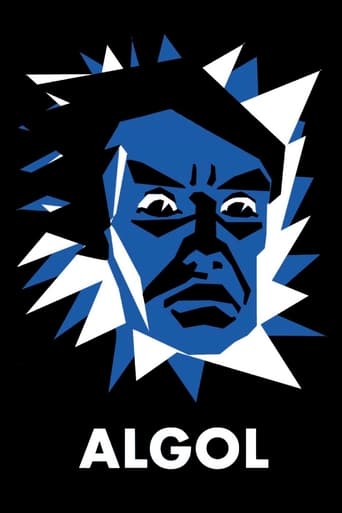
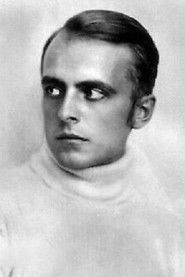
German actor and dancer who achieved brief but notable fame during the early Weimar Republic period of German cinema. Born into an artistic family, Droste initially gained recognition as a performer in Berlin's vibrant avant-garde theater and cabaret scene before transitioning to film. His most significant contribution to cinema was his role in the influential science fiction film 'Algol: Tragedy of Power' (1920), directed by Hans Werckmeister, where he showcased his distinctive androgynous beauty and expressive movement style. Droste's performance in this film exemplified the artistic experimentation characteristic of German Expressionist cinema, blending theatrical movement with the emerging visual language of film. Despite his promising start, his film career was tragically cut short by his untimely death in 1927 at the age of 32, leaving behind a small but artistically significant body of work that continues to be studied by film historians interested in the intersection of dance, theater, and early cinema.
The Craft
On Screen
Droste's acting style was heavily influenced by his background in dance and expressionist theater, characterized by highly physical and emotive performances that emphasized movement and gesture over subtle facial expressions. His approach embodied the German Expressionist aesthetic, using exaggerated body language and dramatic poses to convey psychological states and emotional intensity. Droste's androgynous appearance and fluid movement allowed him to transcend traditional gender boundaries in performance, making him particularly suited to the experimental nature of early German avant-garde cinema.
Milestones
- Starred in the influential German science fiction film 'Algol: Tragedy of Power' (1920)
- Performed as a dancer in Berlin's avant-garde cabaret scene
- Collaborated with prominent Weimar Republic artists and filmmakers
- Pioneered expressive movement techniques in early German cinema
Best Known For
Iconic Roles
Must-See Films
Accolades
Special Recognition
- Recognized posthumously as an important figure in German Expressionist cinema
Working Relationships
Worked Often With
Studios
Why They Matter
Impact on Culture
Sebastian Droste's impact on cinema, while limited by his brief career, represents an important intersection of dance, theater, and early German Expressionist film. His work in 'Algol: Tragedy of Power' exemplified the experimental spirit of the Weimar Republic's artistic renaissance, pushing boundaries in terms of performance style and gender representation. Droste's androgynous beauty and movement-based acting prefigured later developments in cinematic performance, particularly in how physicality could be used to express psychological states. His collaboration with Anita Berber helped establish new possibilities for integrating dance and movement into narrative cinema, influencing how subsequent filmmakers approached choreography and performance in their works.
Lasting Legacy
Though his filmography is minimal, Sebastian Droste is remembered by film historians as a representative figure of the artistic experimentation that characterized early Weimar cinema. His work serves as an important example of how performers from theater and dance backgrounds helped shape the visual language of silent film, particularly within the German Expressionist tradition. Droste's legacy also includes his role in challenging conventional gender roles and performance styles during a period of significant social and artistic upheaval in Germany. Today, scholars studying the intersection of performance art and early cinema frequently cite his work as an example of how avant-garde theater practices influenced film development.
Who They Inspired
Droste's movement-based performance style influenced subsequent German actors working in Expressionist cinema, particularly in how physical gesture could be used to convey psychological depth. His androgynous presentation and boundary-pushing performances opened doors for more diverse representations of gender and sexuality in German art cinema. The integration of dance techniques into dramatic acting that he pioneered can be seen in the work of later German performers who sought to combine physical expressiveness with psychological realism. His collaboration with Anita Berber also helped establish a model for artistic partnerships that blurred the lines between personal relationships and creative work.
Off Screen
Sebastian Droste's personal life was marked by artistic passion and tragedy. He was openly bisexual during a time when such openness was rare and dangerous, and his relationships often overlapped with his artistic collaborations. Droste formed a significant personal and professional partnership with dancer and choreographer Anita Berber, with whom he performed and created avant-garde works. Their relationship was highly publicized in Berlin's tabloid press due to their unconventional lifestyle and provocative performances. Droste struggled with health issues throughout his life, which ultimately contributed to his early death.
Education
Trained in dance and theater at various institutions in Hamburg and Berlin, though specific educational records are limited due to the chaotic nature of the period and his early death.
Family
- Anita Berber (1925-1926)
Did You Know?
- His real name was Willi Edwin Droste, but he adopted the more artistic stage name 'Sebastian' for his performances
- Droste — prominent figure in Berlin's notorious cabaret scene during the 1920s
- He and Anita Berber created scandalous performances that often included nudity and drug use on stage
- The couple published a book of poetry titled 'Dances of Vice, Horror, and Ecstasy' in 1923
- Droste's appearance was considered unusually androgynous for the time, making him a fascination of both artistic and tabloid circles
- He died of tuberculosis at age 32, cutting short a promising career
- His performance style influenced the development of what would later be called 'physical theater'
- Droste and Berber were known to perform at elite private parties for Berlin's wealthy and artistic elite
- Despite his brief film career, 'Algol: Tragedy of Power' has become a cult classic among silent film enthusiasts
- His life and relationship with Berber have been the subject of several academic studies on Weimar culture
In Their Own Words
The body is the first instrument of truth in performance - before words, before images, there is movement
In dance and in life, we must embrace the beautiful and the terrible as one unified expression
Berlin is not a city, it is a state of mind - a place where art and reality merge into something new and dangerous
Frequently Asked Questions
Who was Sebastian Droste?
German with credits in this catalog.
What films is Sebastian Droste best known for?
Titles linked here include Algol: Tragedy of Power (1920).
When was Sebastian Droste born and when did he die?
Born February 2, 1895; died June 27, 1927.
What awards did Sebastian Droste win?
During his lifetime, Sebastian Droste did not receive any formal awards or nominations, as his career was too brief and occurred during the early days of cinema when such recognition systems were not yet established. However, he has been posthumously recognized by film historians as an important figure in German Expressionist cinema.
What was Sebastian Droste's acting style?
Droste's acting style was heavily influenced by his dance background, characterized by highly physical and expressive performances that emphasized movement and gesture. His approach embodied German Expressionist aesthetics, using exaggerated body language and dramatic poses to convey psychological states, with his androgynous appearance allowing him to transcend traditional gender boundaries in performance.