Films
1 film
About Edith Wright
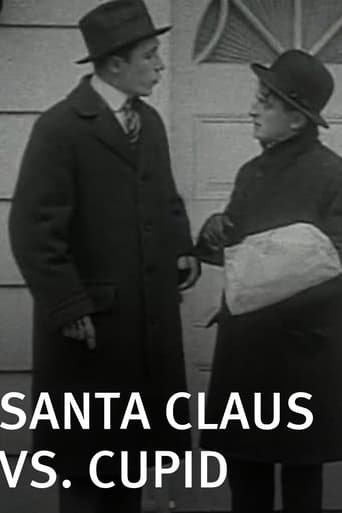
The 1915 film Santa Claus vs is the only title linked here for Edith Wright. Cupid. She is known to have appeared in only one documented film, the short comedy 'Santa Claus vs. Cupid' produced in 1915. Like many performers from the earliest days of cinema, her career appears to have been extremely brief, possibly consisting of just this single film role. The film itself was a typical short comedy of the period, likely running 10-15 minutes and produced by one of the many small studios operating during the silent era's formative years. Wright represents the countless anonymous performers who contributed to early cinema's development but whose careers were fleeting and largely undocumented. The lack of additional film credits suggests she may have been a bit player, extra, or someone who tried acting briefly before pursuing other endeavors. Her story exemplifies how many early film performers have been lost to history, with only their names surviving in film credits and production records.
The Craft
Milestones
- Appeared in 'Santa Claus vs. Cupid' (1915)
Best Known For
Iconic Roles
Must-See Films
Why They Matter
Impact on Culture
Edith Wright's cultural impact is minimal due to her extremely brief film career, consisting of only one known appearance in a 1915 short comedy. However, she represents the thousands of anonymous performers who contributed to the development of early American cinema during its formative years. These performers, though largely forgotten, were essential to the growth of the film industry, providing the talent needed for the rapid expansion of movie production during the silent era. Wright and her contemporaries helped establish the foundation for what would become Hollywood's golden age, even if their individual contributions were small and fleeting.
Lasting Legacy
Edith Wright's legacy is primarily as a representative example of the countless anonymous performers from early cinema whose names survive only in film credits. Her single known film appearance in 'Santa Claus vs. Cupid' places her within the historical context of 1915, a pivotal year in American cinema's development. While she did not achieve lasting fame or recognition, Wright's contribution, however small, is part of the broader tapestry of early film history. She serves as a reminder of the many performers who briefly passed through the film industry during its earliest decades, leaving behind only their names in production records for future film historians to discover.
Who They Inspired
Given her extremely brief career with only one known film credit, Edith Wright had no documented influence on other actors or directors. This is typical of many bit players and minor performers from the silent era who had limited or no impact on the artistic development of cinema. Her influence, if any, would have been confined to her immediate work on the set of 'Santa Claus vs. Cupid' and would not have extended beyond that single production.
Off Screen
No personal life information is available for Edith Wright, which is typical for many bit players and minor performers from the silent era. Like many actors from this period who had brief careers, detailed biographical information was not preserved in historical records.
Did You Know?
- Edith Wright's entire known film career consists of just one movie from 1915
- 'Santa Claus vs. Cupid' was a short comedy film produced during the early silent era
- Many performers from 1915, like Wright, have no surviving biographical information
- Her active years covered only one year, making her one of cinema's briefest performers
- The film she appeared in was likely produced by one of many small studios operating before Hollywood's studio system was fully established
- No photographs of Edith Wright are known to survive in public archives
- Like many early film performers, her role in the film is not documented in detail
Frequently Asked Questions
Who was Edith Wright?
Screen credits include only one known film, 'Santa Claus vs. Cupid' in 1915. She represents the many anonymous performers who briefly worked in early cinema during its formative years.
What films is Edith Wright best known for?
Titles linked here include Santa Claus vs. Cupid (1915).
When was Edith Wright born and when did she die?
Edith Wright's birth and death dates are not documented in historical records, which is common for many minor performers from the silent era who had brief careers.
What awards did Edith Wright win?
Edith Wright did not receive any awards or nominations, as was typical for most actors during the earliest years of cinema when formal award systems had not yet been established.
What was Edith Wright's acting style?
Edith Wright's acting style is not documented, as she appeared in only one film and no detailed reviews or descriptions of her performance survive from that period.
Why is so little known about Edith Wright?
Limited information about Edith Wright is typical for many performers from the silent era who had brief careers. Early cinema records were often incomplete, and minor performers were rarely documented in detail unless they achieved lasting fame.