Films
1 film
About Florence Stover
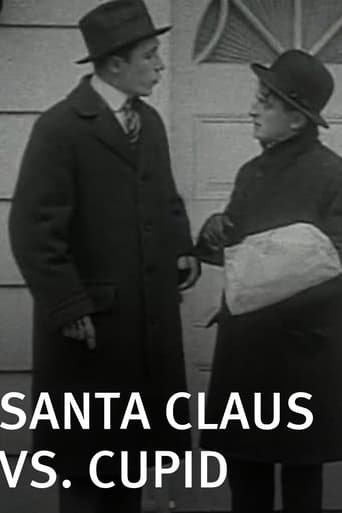
American actress who worked briefly during the silent film era in the mid-1910s. Her career appears to have been exceptionally short, with documented activity limited to the year 1915. She is known primarily for her appearance in the comedy short 'Santa Claus vs. Cupid,' which was produced by the Thanhouser Film Corporation. Like many actors of the early silent period, her career likely coincided with the rapid expansion of the American film industry when studios were constantly seeking new talent. The brevity of her documented filmography suggests she may have been one of the many performers who tried acting but did not achieve lasting success in the increasingly competitive Hollywood landscape. Her limited screen time during this pivotal year of early cinema represents the thousands of forgotten performers who contributed to the foundation of American film history.
The Craft
Milestones
- Appeared in Thanhouser Film Corporation production 'Santa Claus vs. Cupid' (1915)
Best Known For
Must-See Films
Working Relationships
Studios
Why They Matter
Impact on Culture
Florence Stover represents the thousands of anonymous performers who populated the early American film industry during its formative years. While her individual contribution was minimal, collectively, actors like her formed the foundation upon which Hollywood would build its star system. Their work helped establish the conventions of silent film acting and storytelling that would influence cinema for decades. The fact that her name survives at all, attached to a specific film, is remarkable given how many early film performers have been completely forgotten by history.
Lasting Legacy
Florence Stover's legacy is primarily as a representative figure of the transient nature of early film stardom. Her brief appearance in 'Santa Claus vs. Cupid' serves as a reminder of the vast number of actors who participated in cinema's years without achieving lasting fame. Film historians and archivists continue to work to identify and document even the most minor performers from this era, recognizing that each contributed to the development of the medium. Her surviving film credit, however brief, helps paint a more complete picture of the Thanhouser Film Corporation's roster of talent during 1915.
Who They Inspired
Due to the extremely limited nature of her documented career, there is no evidence of Florence Stover having influenced other performers or filmmakers. Her brief tenure in the film industry predates the establishment of many of the mentorship and influence networks that would later become common in Hollywood. Her influence, if any, would have been limited to her immediate colleagues on the set of her single known film.
Off Screen
Very little is documented about Florence Stover's personal life, which is typical for actors who had brief careers in the early silent film era. Most personal details about such performers have been lost to time, as they were not considered newsworthy enough for preservation in historical records.
Did You Know?
- Florence Stover's entire known film active years covered only one year - 1915
- She worked for the Thanhouser Film Corporation, one of the early independent American film studios
- 'Santa Claus vs. Cupid' was a comedy short that capitalized on the popularity of holiday-themed films
- Thanhouser Film Corporation was known for producing high-quality films despite being an independent studio
- Many Thanhouser performers from this period have incomplete or lost filmographies
- The film she appeared in was likely 1-2 reels in length, typical of comedy shorts of the era
- 1915 was a transitional year in American cinema, with features beginning to dominate over shorts
Frequently Asked Questions
Who was Florence Stover?
American actress who worked briefly during the silent film era in 1915. She is known primarily for her appearance in the Thanhouser Film Corporation's comedy short 'Santa Claus vs. Cupid.' Her career appears to have been exceptionally brief, with documented activity limited to that single year.
What films is Florence Stover best known for?
Titles linked here include Santa Claus vs. Cupid (1915).
When was Florence Stover born and when did she die?
Unfortunately, Florence Stover's birth and death dates are not documented in available historical records. This is common for actors who had very brief careers in the early silent film era, as personal details about minor performers were often not preserved.
What awards did Florence Stover win?
Florence Stover did not receive any documented awards or nominations for her work. During the early silent film era of 1915, the major award systems we know today, such as the Academy Awards, had not yet been established.
What was Florence Stover's acting style?
There is insufficient documentation to determine Florence Stover's specific acting style. Given that she worked in 1915, she would have employed the exaggerated gestures and facial expressions typical of silent film acting of that period, but no detailed descriptions of her performance survive.