Films
3 films
About Margery Bonney Erskine
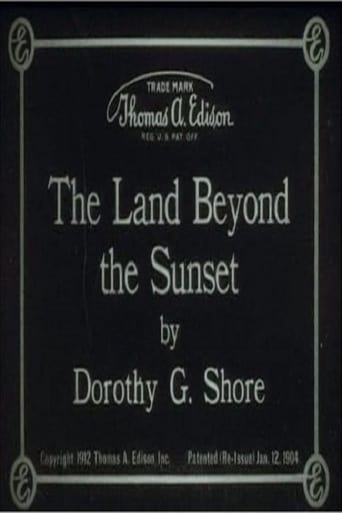
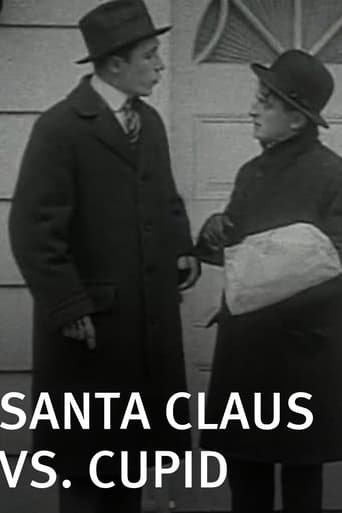
Early silent film actress who worked briefly during the formative years of American cinema. Margery appears in productions for the Edison Manufacturing Company, one of the film studios of the early 1910s. Her most notable work was in 'The Land Beyond the Sunset' (1912), directed by Harold M. Shaw, which was recognized as an important early social problem film addressing child welfare issues. She also appeared in the comedy short 'Santa Claus vs. Cupid' in 1915, demonstrating her versatility across different genres. Her only a few years during a transitional period when cinema was evolving from simple novelty acts to a legitimate artistic medium. Like many actors of this era, she worked before the star system was fully established, when performers were often uncredited and treated as anonymous studio employees. Her brief filmography represents a snapshot of early American cinema's development and the types of productions being created by Edison Studios during this period.
The Craft
On Screen
As an actress in the early silent era, Margery Bonney Erskine likely employed the exaggerated gestures and theatrical expressions typical of pre-1915 cinema, when acting techniques were still heavily influenced by stage performance. Her work in both dramatic and comedic roles suggests adaptability to the emerging film medium's requirements.
Milestones
- Appeared in 'The Land Beyond the Sunset' (1912), a film later selected for preservation in the National Film Registry
- Worked with director Harold M. Shaw
- Employed by Edison Manufacturing Company during its peak production years
- Appeared in early comedy shorts demonstrating versatility
- Participated in early American cinema's transition from novelty to narrative storytelling
Best Known For
Iconic Roles
Must-See Films
Accolades
Special Recognition
- Appeared in 'The Land Beyond the Sunset', which was selected for preservation in the United States National Film Registry in 2000
Working Relationships
Worked Often With
Studios
Why They Matter
Impact on Culture
While Margery Bonney Erskine herself was not a major cultural figure, her participation in 'The Land Beyond the Sunset' connects her to an important milestone in early American cinema. The film was groundbreaking as one of the first social problem films, addressing child welfare issues at a time when cinema was primarily focused on entertainment. The film's selection for the National Film Registry recognizes its historical significance, and by extension, acknowledges the contributions of all performers, including Erskine, who helped bring this important early work to life. Her career represents the countless anonymous actors who contributed to cinema's development during its formative years.
Lasting Legacy
Margery Bonney Erskine's legacy is primarily preserved through her participation in historically significant early films. As an actress during the transitional period of American cinema (1912-1915), she represents the generation of performers who helped establish the language of film acting before the star system fully emerged. Her work with Edison Studios places her within the context of one of America's most important early film companies, contributing to the medium's evolution from simple novelty to sophisticated storytelling. While her individual impact may be difficult to trace, her collective contribution to early cinema is preserved through the surviving films in which she appeared.
Who They Inspired
As an early film actress with a very brief career, Margery Bonney Erskine's direct influence on subsequent performers is difficult to document. However, like many actors of her generation, she contributed to the development of film acting techniques during a crucial period when performers were adapting stage methods to the new medium of cinema. Her work in both dramatic and comedic roles helped demonstrate the versatility required in early film performance.
Off Screen
Very little is documented about Margery Bonney Erskine's personal life, which was typical for many early film actors who worked before the era of celebrity culture and extensive media coverage of performers' private lives.
Did You Know?
- 'The Land Beyond the Sunset' was one of the first films to address social issues, specifically child welfare
- The Edison Manufacturing Company was one of Thomas Edison's many business ventures and a film studio
- Early film actors like Erskine often worked anonymously as the star system had not yet been established
- 1912 was a significant year for American cinema, with longer narrative films becoming more common
- The film 'The Land Beyond the Sunset' was preserved by the Library of Congress and selected for the National Film Registry in 2000
- Edison Studios was known for producing high-quality films during the early 1910s before declining after 1915
- Many early film actors' careers were brief as the industry was still establishing itself
- The transition from short films to feature-length narratives was occurring during Erskine's active years
- Early cinema actors often came from theatrical backgrounds, adapting stage techniques for the camera
- The preservation of 'The Land Beyond the Sunset' ensures that Erskine's performance survives for future generations
Frequently Asked Questions
Who was Margery Bonney Erskine?
Early silent film actress who worked briefly during the formative years of American cinema from 1912 to 1915. She appeared in Edison Manufacturing Company productions, most notably 'The Land Beyond the Sunset' (1912), which was later recognized as a historically significant film.
What films is Margery Bonney Erskine best known for?
Titles linked here include The Land Beyond the Sunset (1912), Santa Claus vs. Cupid (1915).
When was Margery Bonney Erskine born and when did she die?
Unfortunately, specific birth and death dates for Margery Bonney Erskine are not available in historical records, which is common for many early film actors who worked before comprehensive documentation of performers' biographies became standard practice.
What awards did Margery Bonney Erskine win?
While she did not receive personal awards during her lifetime, her film 'The Land Beyond the Sunset' was selected for preservation in the United States National Film Registry in 2000, recognizing its cultural and historical significance.
What was Margery Bonney Erskine's acting style?
As an actress in the early silent era, she likely employed the theatrical gestures and exaggerated expressions typical of pre-1915 cinema, when acting techniques were still heavily influenced by stage performance and transitioning to the specific requirements of film acting.
Why is Margery Bonney Erskine historically significant?
She represents the countless anonymous actors who contributed to early American cinema's development during its formative years. Her participation in 'The Land Beyond the Sunset' connects her to an important milestone in film history as one of the first social problem films.