Films
1 film
About Utagoro Onoe
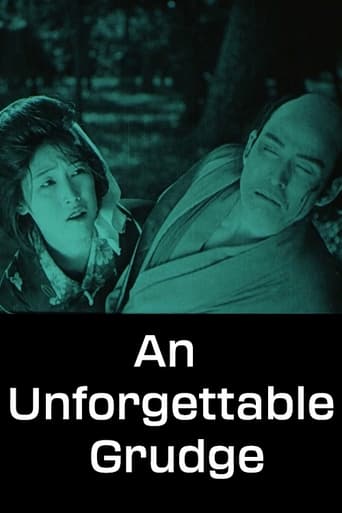
Japanese actor primarily active during the silent era of the 1920s, specializing in the jidai-geki (period drama) genre. He was a member of the prestigious Onoe kabuki lineage, which facilitated his transition into the burgeoning film industry of Kyoto. Onoe is most notably remembered for his supporting role in the 1926 masterpiece 'Chokon' (An Unforgettable Grudge), directed by the visionary Daisuke Ito. This film is celebrated for its innovative use of 'tendency film' (keiko eiga) elements and its dynamic sword-fighting choreography. Throughout his brief but impactful career, he worked alongside silent film icons like Denjiro Okochi and Matsunosuke Onoe. His performances were characterized by the stylized movements of kabuki, adapted for the more naturalistic demands of the camera. Although many of his films are now lost, his contribution to the development of the 'shinkigeki' (new period drama) style remains a point of interest for film historians.
The Craft
On Screen
His acting style was deeply rooted in the 'tachiyaku' (leading male role) traditions of kabuki, emphasizing strong physical presence and expressive facial gestures. As he moved into the 1920s, he adapted these techniques to fit the 'tendency film' style, which required a more visceral and intense emotional delivery to match the rapid editing and dynamic camera work of directors like Daisuke Ito.
Milestones
- Cast member in the landmark silent film 'Chokon' (1926) directed by Daisuke Ito
- Frequent collaborator with the Nikkatsu Kyoto studio during the 1920s
- Appeared in 'Shibukawa Bangoro' (1922) alongside the legendary Matsunosuke Onoe
- Contributed to the 'tendency film' movement which introduced social criticism into jidai-geki
- Participated in the transition of Japanese cinema from theatrical kabuki styles to modern film techniques
Best Known For
Iconic Roles
Must-See Films
Accolades
Special Recognition
- Recognized in the National Film Archive of Japan for his surviving film fragments
Working Relationships
Worked Often With
Studios
Why They Matter
Impact on Culture
Utagoro Onoe played a vital role in the evolution of the Japanese period drama. By bridging the gap between the old 'Old School' (Kyugeki) films and the modern, fast-paced jidai-geki of the mid-1920s, he helped establish the aesthetic that would dominate Japanese cinema for decades. His involvement in 'Chokon' connects him to.
Lasting Legacy
His legacy is primarily preserved through the surviving fragments of 'Chokon,' which is considered. Historians view his career as representative of the professional actors who helped modernize the Japanese film industry during its most experimental phase. He remains a significant figure for those studying the intersection of Kabuki and early cinema.
Who They Inspired
He influenced the development of screen sword-fighting (tate) by integrating theatrical precision with the raw energy required for the 'tendency films' of the 1920s.
Off Screen
Born into a family with ties to the traditional performing arts, he carried the 'Onoe' stage name, which indicated a high level of training in classical Japanese theater. Little is recorded of his private life outside of his professional affiliations with the Nikkatsu and Shochiku studios in Kyoto.
Education
Trained in traditional Kabuki theater from a young age.
Did You Know?
- He appeared in 'Chokon,' a film that originally ran for 74 minutes but now only exists as a 12-minute fragment of the final reel.
- His name 'Utagoro' is a traditional kabuki name, often passed down through generations or granted by a master.
- He worked during the peak of the 'Benshi' era, where his performances were accompanied by live narrators in theaters.
- Many of his early films were produced at the Nikkatsu Kyoto studio, which was the epicenter of Japanese period film production.
- He is often confused with later actors of the Onoe family due to the hereditary nature of Japanese stage names.
Frequently Asked Questions
Who was Utagoro Onoe?
Japanese silent film with credits in this catalog. He is best remembered for his role in the critically acclaimed 1926 film 'Chokon'.
What films is Utagoro Onoe best known for?
Titles linked here include Chokon (An Unforgettable Grudge) (1926), Shibukawa Bangoro (1922).
When was Utagoro Onoe active in the film industry?
Born 1888; died 1934.
What was Utagoro Onoe's acting style?
His style combined traditional Kabuki theater techniques with the more modern, intense physical acting required for the 'tendency films' of the late silent era.
Does any of Utagoro Onoe's work still exist today?
Yes, although many of his films are lost, a significant 12-minute fragment of his most famous film, 'Chokon,' has been preserved and is studied by film historians.