Films
1 film
About Betty Carter
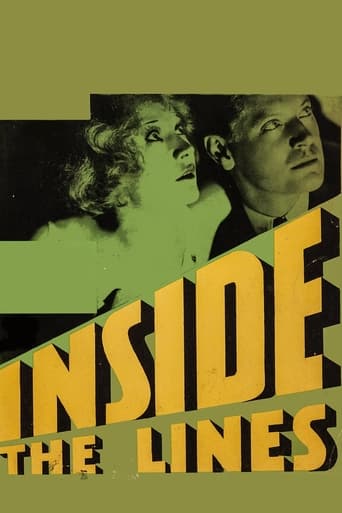
American actress who worked briefly during the transition from silent films to talkies in the early 1930s. Her known film career consists of a single appearance in the 1930 drama 'Inside the Lines,' which was produced during Hollywood's rapid conversion to sound technology. Like many performers of this era, Carter's career was likely impacted by the massive changes occurring in the film industry as studios adapted to new technologies and audience preferences. The early sound period was particularly challenging for many actors who struggled with the technical demands of microphone work and the different acting styles required for talkies. Unfortunately, detailed records about Carter's background, training, or career trajectory are scarce, which was common for supporting players and bit actors of this period who often appeared in only a handful of films before leaving the industry. Her brief career represents the thousands of performers who attempted to establish themselves during one of cinema's most turbulent and transformative periods.
The Craft
Milestones
- Appeared in 'Inside the Lines' (1930) during the early sound era
Best Known For
Must-See Films
Why They Matter
Impact on Culture
Betty Carter represents the many actors who briefly appeared during Hollywood's tumultuous transition to sound in the early 1930s. While her contribution to cinema was minimal, she is part of the broader narrative of this transformative period when countless performers attempted to establish careers in the rapidly evolving film industry. Her single known film appearance serves as a reminder of the thousands of actors whose names and contributions have been largely lost to film history, highlighting the transient nature of fame during early cinema's formative years. The story of performers like Carter helps illustrate the immense challenges faced by actors during the sound revolution, when many established silent film stars and newcomers alike struggled to adapt to new technical and artistic demands.
Lasting Legacy
As an actor with only one known film credit, Betty Carter's legacy is primarily that of representing the vast number of performers who passed through Hollywood during the early sound era. Her brief career illustrates the transient nature of fame in early cinema and the challenges faced by actors trying to establish themselves during a period of unprecedented technological and artistic change in filmmaking. While she may not have achieved lasting fame, Carter's story contributes to our understanding of the struggles and aspirations of the countless actors who formed the backbone of Hollywood's studio system during its most formative decades.
Who They Inspired
Given her extremely brief film career, there is no documented evidence of Betty Carter influencing other performers or filmmakers. Her story is more representative of the many actors whose careers were brief and whose impact was limited to their immediate contributions to specific productions. Like many bit players and supporting actors of her era, her influence would have been confined to the specific roles she played and the productions in which she participated, rather than any broader impact on the art of filmmaking or the careers of other performers.
Off Screen
Very little is documented about Betty Carter's personal life, which was typical for many minor actors from the early sound period whose careers were brief and whose personal details were not preserved in historical records. Like many supporting players of her era, information about her family background, relationships, or life outside of her brief film career has not been preserved in film archives or entertainment industry records.
Did You Know?
- Betty Carter's entire known filmography consists of just one film from 1930
- Her film 'Inside the Lines' was released during Hollywood's difficult transition from silent to sound films
- Many actors from this period with brief careers have incomplete historical records
- The early 1930s saw thousands of actors attempt careers in sound films with varying degrees of success
- Supporting actors from early talkies are often among the most poorly documented figures in film history
- 'Inside the Lines' (1930) was directed by Roy Pomeroy, one of Hollywood's early special effects pioneers
- The film was based on a play by Earl Derr Biggers, who also created the Charlie Chan detective series
- Betty Carter likely had a small or uncredited role, as she is not listed among the principal cast members
- The preservation status of 'Inside the Lines' is unknown, which adds to the difficulty of researching Carter's work
- Actors with single film credits from this period were often extras, bit players, or those who left the industry quickly
Frequently Asked Questions
Who was Betty Carter?
Screen credits include films during the early sound era of the 1930s. Her known film career consists of a single appearance in the 1930 drama 'Inside the Lines,' making her one of the many minor actors from this period whose careers were brief and largely undocumented.
What films is Betty Carter best known for?
Titles linked here include Inside the Lines (1930).
When was Betty Carter born and when did she die?
Unfortunately, Betty Carter's birth and death dates are not documented in available historical records, which is common for minor actors from the early sound period. Many supporting players from this era have incomplete biographical information due to the limited documentation practices of the time.
What awards did Betty Carter win?
There are no records of Betty Carter receiving any major awards or nominations for her film work. As an actor with only one known film credit, she would not have been eligible for the major industry recognition that was typically reserved for leading performers and more established character actors.
What was Betty Carter's acting style?
Due to the scarcity of documentation about her career and the fact that only one of her films is known, there is insufficient information to describe Betty Carter's specific acting style or techniques. Her brief appearance in early sound cinema would have reflected the acting conventions of the transitional period between silent films and established talkies.
Why is so little known about Betty Carter?
The limited information about Betty Carter is typical of many supporting actors and bit players from the early sound era. Studios during this period did not maintain comprehensive records about minor performers, and entertainment industry publications focused primarily on established stars. Additionally, the preservation status of many early sound films is poor, making it difficult to study the work of actors who appeared in only a handful of productions.