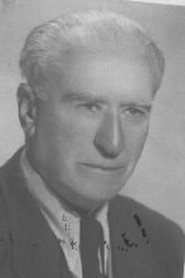
Wojciech Brydziński
Actor
Born: March 18, 1877 in Lviv, Austria-Hungary (now Ukraine) Died: December 13, 1950 Active: 1896-1950
Films
1 film
About Wojciech Brydziński
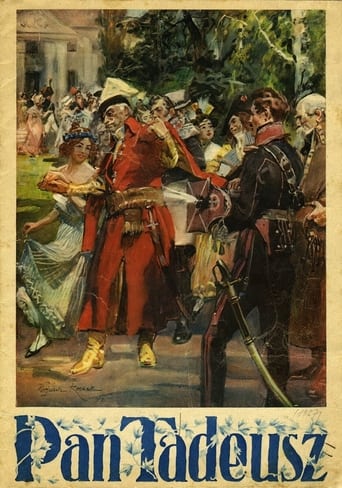
Wojciech Brydziński worked on one surviving credit: Pan Tadeusz (1928). Born in 1877 in Lviv (then part of Austria-Hungary), he began his theatrical career in 1896 and quickly established himself as one of Poland's most respected stage actors, particularly renowned for his performances in classical Polish drama and romantic poetry adaptations. His most significant contribution to cinema came in 1928 when he portrayed the title character in the landmark silent film adaptation of Adam Mickiewicz's epic poem 'Pan Tadeusz,' which became early Polish films. Throughout his career, Brydziński was associated with prestigious theaters including the Teatr Wielki in Warsaw and the Juliusz Słowacki Theatre in Kraków, where he became known for his powerful dramatic presence and mastery of classical roles. Despite his brief film career, his portrayal of Pan Tadeusz remains in Polish cinema history, capturing the essence of Polish romantic literature on screen. He continued his stage career well into the sound era, adapting his classical techniques to new theatrical movements while maintaining his reputation as one of Poland's finest dramatic actors. His career represents the transition from 19th-century theatrical traditions to modern performance art, making him a pivotal figure in Polish cultural history.
The Craft
On Screen
Classical and romantic dramatic style with powerful vocal delivery and commanding stage presence, specializing in Polish literary adaptations and historical dramas. His technique emphasized emotional depth and psychological complexity, drawing from 19th-century theatrical traditions while incorporating modern realism. Known for his ability to embody Polish national characters and convey profound patriotic themes through nuanced performances.
Milestones
- Stage debut at Lviv Municipal Theatre (1896)
- Leading roles at Teatr Wielki in Warsaw
- Portrayal of Pan Tadeusz in 1928 film adaptation
- Director of Juliusz Słowacki Theatre in Kraków (1932-1934)
- Recipient of Order of Polonia Restituta for cultural contributions
Best Known For
Iconic Roles
Must-See Films
Accolades
Won
- Order of Polonia Restituta (1938)
- Golden Laurel of the Polish Academy of Literature (1930)
Special Recognition
- Honorary membership in Polish Actors' Union
- State Theatrical Award (1936)
- Commemorative plaque at Juliusz Słowacki Theatre
Working Relationships
Worked Often With
Studios
Why They Matter
Impact on Culture
Wojciech Brydziński played a crucial role in preserving and promoting Polish cultural identity during a period of political upheaval and foreign occupation. His performances in classical Polish literature adaptations helped maintain national consciousness and cultural continuity, particularly important during the partitions of Poland and subsequent occupations. His portrayal of Pan Tadeusz in the 1928 film adaptation represented one of the first successful attempts to bring Polish romantic literature to the cinema screen, establishing a precedent for future Polish literary adaptations. Brydziński's work bridged the gap between 19th-century theatrical traditions and modern performance art, influencing generations of Polish actors and helping to establish a distinctly Polish acting style that emphasized emotional depth and national character.
Lasting Legacy
Brydziński's legacy endures through his influence on Polish theater and cinema, particularly in the interpretation of classical Polish literature. His performance in 'Pan Tadeusz' remains a reference point for actors studying Polish romantic roles, and his theatrical techniques continue to be taught in Polish acting schools. The Juliusz Słowacki Theatre in Kraków, where he served as director, maintains an archive of his work and periodically stages revivals of his signature productions. His contribution to Polish cultural preservation during difficult historical periods has been recognized by cultural historians as significant in maintaining Polish artistic traditions.
Who They Inspired
Brydziński influenced subsequent generations of Polish actors through his interpretation of classical roles and his approach to embodying Polish literary characters. His techniques for conveying complex emotional states and national themes became part of the standard curriculum in Polish acting schools. Directors and actors who worked with him carried forward his emphasis on psychological depth and cultural authenticity, influencing the development of Polish cinema and theater throughout the 20th century. His work in adapting literature to performance helped establish methodologies that continue to influence Polish filmmakers today.
Off Screen
Wojciech Brydziński came from a cultured Polish family in Lviv and married actress Stanisława Wysocka, with whom he frequently performed on stage. The couple had two children who also pursued careers in the arts. Despite the political upheavals of his era, including World War I and II, Brydziński remained committed to Polish cultural expression and theater, often using his art to preserve Polish identity during periods of occupation. His later years were marked by teaching and mentoring young actors, passing on his knowledge of classical Polish theater to new generations.
Education
Graduated from Lviv Conservatory (1895) with specialization in dramatic arts
Family
- Stanisława Wysocka (1905-1950)
Did You Know?
- Was one of the first Polish actors to successfully transition from stage to silent film
- His performance in 'Pan Tadeusz' was shot on location in the Lithuanian countryside where the original poem was set
- Spoke fluent Polish, Ukrainian, and German, which helped him perform in diverse theatrical environments
- Survived both World Wars while continuing his theatrical career
- Was a member of the Polish resistance during WWII, using his theatrical connections to aid underground cultural activities
- His stage costumes were so elaborate that they were preserved as museum pieces after his death
- Taught acting at the National Academy of Dramatic Art in Warsaw during his later years
- Was known for his photographic memory, able to recall entire plays after a single reading
- His interpretation of Polish romantic heroes became the standard for subsequent generations
- Maintained a personal library of over 3,000 books on theater and Polish literature
In Their Own Words
The stage is not merely a platform for entertainment, but a temple where we preserve the soul of our nation
To play a Pole is to carry the weight of centuries on your shoulders
In every role, I seek not to act, but to become the truth of the character
Theater is the mirror in which a nation sees its reflection
Silent film taught me that true emotion needs no words, only truth
Frequently Asked Questions
Who was Wojciech Brydziński?
Renowned Polish with credits in this catalog. He was particularly famous for his roles in classical Polish drama and his portrayal of Pan Tadeusz in the 1928 film adaptation of Adam Mickiewicz's epic poem.
What films is Wojciech Brydziński best known for?
Titles linked here include Pan Tadeusz (1928).
When was Wojciech Brydziński born and when did he die?
Born March 18, 1877; died December 13, 1950.
What awards did Wojciech Brydziński win?
Brydziński received the Order of Polonia Restituta in 1938 for his cultural contributions, the Golden Laurel of the Polish Academy of Literature in 1930, and the State Theatrical Award in 1936. He was also granted honorary membership in the Polish Actors' Union.
What was Wojciech Brydziński's acting style?
Brydziński was known for his classical and romantic dramatic style with powerful vocal delivery and commanding stage presence. He specialized in Polish literary adaptations and historical dramas, emphasizing emotional depth and psychological complexity while drawing from 19th-century theatrical traditions.
Did Wojciech Brydziński work in theater or film primarily?
While he appeared in the significant 1928 film 'Pan Tadeusz,' Brydziński was primarily a theater actor who worked with prestigious institutions including the Teatr Wielki in Warsaw and the Juliusz Słowacki Theatre in Kraków. His stage active years covered over five decades, making him one of Poland's most respected theatrical figures.
What was Wojciech Brydziński's cultural significance?
Brydziński played a crucial role in preserving Polish cultural identity during periods of political upheaval, using his art to maintain national consciousness. His work in adapting Polish literature to performance helped establish methodologies that continue to influence Polish theater and cinema today.