Films
1 film
About Stanisław Knake-Zawadzki
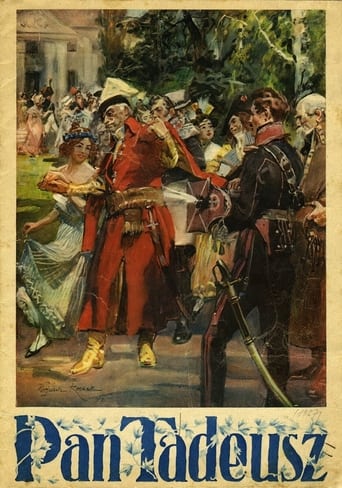
Polish actor active during the late silent era of Polish cinema, best known for his appearance in the 1928 film adaptation of 'Pan Tadeusz,' based on Adam Mickiewicz's celebrated national epic poem. His career appears to have been brief, with his only documented film work being during the pivotal year of 1928, which marked the transition from silent films to sound in European cinema. As an actor in Poland's burgeoning film industry of the 1920s, he was part of a generation that helped establish Polish cinematic traditions during the interwar period. The film 'Pan Tadeusz' represented one of Poland's early attempts to bring its national literary treasures to the screen, requiring actors who could convey the epic's cultural significance through the limited means of silent performance. His participation in this landmark production suggests he was recognized for his ability to embody Polish cultural archetypes, though his subsequent career path remains largely undocumented in available film historical records.
The Craft
Milestones
- Appeared in the 1928 film adaptation of 'Pan Tadeusz'
Best Known For
Iconic Roles
Must-See Films
Why They Matter
Impact on Culture
Stanisław Knake-Zawadzki's contribution to Polish cinema, while limited in scope, is part of the broader cultural project of preserving and popularizing Polish national literature through the medium of film during the interwar period. His participation in the 1928 adaptation of 'Pan Tadeusz' places him within the important tradition of bringing Adam Mickiewicz's work to visual life, a practice that would continue throughout Polish cinema history. This early adaptation was significant in establishing a visual vocabulary for Polish epic storytelling on screen, and actors like Knake-Zawadzki helped create the template for how Polish literary characters would be portrayed in cinema for decades to come.
Lasting Legacy
While Stanisław Knake-Zawadzki may not be widely remembered in contemporary film discourse, his work represents the foundation of Polish cinema's engagement with its national literary canon. The 1928 'Pan Tadeusz' stands as an important milestone in Polish film history, and all who contributed to it, including Knake-Zawadzki, played a role in establishing cinema as a legitimate medium for Polish cultural expression during a crucial period of national identity formation.
Who They Inspired
Due to the limited documentation of his career and the brief nature of his film work, specific influences of Stanisław Knake-Zawadzki on subsequent generations of Polish actors are difficult to trace. However, his participation in early adaptations of Polish literature contributed to the broader tradition of literary adaptation that would become a hallmark of Polish cinema throughout the 20th century.
Off Screen
Very limited information is available about the personal life of Stanisław Knake-Zawadzki, reflecting the sparse documentation of many character actors from early Polish cinema. His brief film career suggests he may have been primarily a stage actor or had other professional pursuits outside the film industry.
Did You Know?
- The 1928 'Pan Tadeusz' was one of the earliest film adaptations of Mickiewicz's epic poem
- 1928 was a pivotal year in cinema history, marking the transition from silent to sound films
- Polish cinema of the 1920s was still establishing its national identity and artistic voice
- Many actors from this period had careers that spanned both stage and screen
- The interwar period (1918-1939) was considered the golden age of Polish silent cinema
- Early Polish films often focused on adaptations of national literature
- Silent film actors in Poland needed to convey complex literary themes through physical expression alone
Frequently Asked Questions
Who was Stanisław Knake-Zawadzki?
Polish with credits in this catalog.' His career appears to have been brief, with his documented film work limited to this single production during the transition period from silent to sound cinema in Poland.
What films is Stanisław Knake-Zawadzki best known for?
Titles linked here include Pan Tadeusz (1928).
When was Stanisław Knake-Zawadzki born and when did he die?
Specific birth and death dates for Stanisław Knake-Zawadzki are not documented in available film historical records, which is common for many character actors from early Polish cinema whose careers were brief and whose primary work may have been in other theatrical mediums.
What awards did Stanisław Knake-Zawadzki win?
There are no documented awards or nominations for Stanisław Knake-Zawadzki in available film historical records. The Polish film industry of the 1920s had limited formal award structures compared to later decades, and many actors from this period received recognition primarily through audience response and critical reviews rather than formal ceremonies.
What was Stanisław Knake-Zawadzki's acting style?
While specific details about his acting technique are not documented, as a silent film actor in 1928 Poland, he would have employed the exaggerated physical expressions and gestures characteristic of the era. Actors in literary adaptations like 'Pan Tadeusz' needed to convey complex emotional and narrative content without dialogue, relying heavily on facial expressions, body language, and pantomime skills.
Why is the 1928 'Pan Tadeusz' film significant in Polish cinema history?
The 1928 adaptation of 'Pan Tadeusz' represents one of the earliest attempts to bring Adam Mickiewicz's national epic to the screen, establishing an important tradition of literary adaptation in Polish cinema. This film was part of Poland's broader cultural project during the interwar period to preserve and popularize national heritage through the new medium of cinema, making it a significant cultural artifact beyond its artistic merits.