Films
2 films
About Nietta Mordeglia
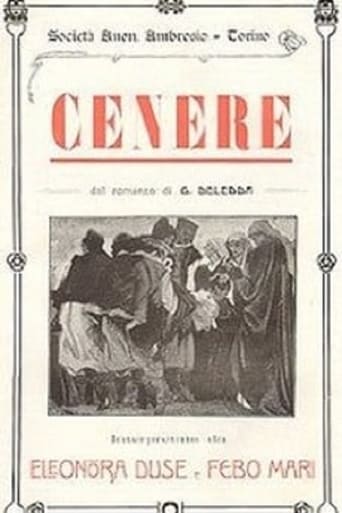
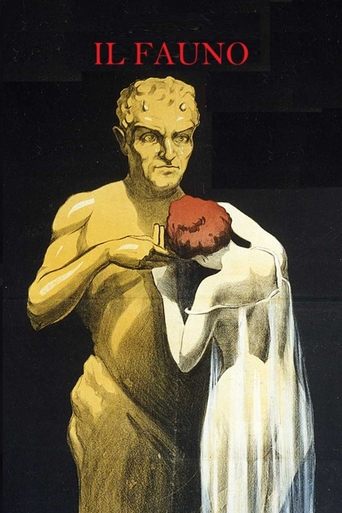
Italian actress who worked during the silent film era, with a brief but notable career spanning 1916-1917. Nietta appears in at least two significant films of the period, 'Ashes' (1916) and 'The Faun' (1917), which were produced during the golden age of Italian cinema when the country was one of the world's leading film producers. Like many actors of this early period, her career was relatively short-lived, possibly due to the disruptive effects of World War I on European film production or the transition to different acting styles as cinema evolved. Her filmography, though limited, places her among the generation of film actors who helped establish the art form. The fact that her films had English titles suggests they may have been produced for international distribution, which was common for Italian films of this era. Unfortunately, like many actors from this period, detailed records of her life and career beyond these film credits have been lost to history.
The Craft
Best Known For
Must-See Films
Why They Matter
Impact on Culture
Nietta Mordeglia represents the countless actors who contributed to the development of cinema during its formative years but whose names have largely faded from historical memory. Her work during 1916-1917 places her in the context of Italian cinema's international prominence, when Italian films were distributed worldwide and influenced filmmakers globally. The preservation of her film credits, even without extensive biographical details, shows the collaborative nature of early filmmaking and the many unsung artists who helped establish cinema as an art form.
Lasting Legacy
Nietta Mordeglia's legacy is primarily historical, serving as a reminder of the vast number of actors who participated in early cinema but left minimal traces in the historical record. Her inclusion in film databases and archives helps preserve the memory of cinema's early pioneers and acknowledges the collective effort that went into establishing the film industry. While she may not be remembered as a major star, her contribution to the films of 1916-1917 represents an important part of cinema's foundational years.
Who They Inspired
Due to the limited documentation of her career and the brief nature of her filmography, there is little evidence of Nietta Mordeglia's direct influence on other actors or filmmakers. However, like all actors of her generation, she contributed to the development of screen acting techniques that would evolve and influence subsequent generations of performers in the transition from silent to sound cinema.
Off Screen
Very little is known about Nietta Mordeglia's personal life, which is typical for many actors from the silent era who worked outside the major Hollywood studio system. Her brief film career and the passage of over a century have left few surviving records about her family background, education, or personal relationships.
Did You Know?
- Her active years covered only two years, from 1916 to 1917
- Both of her known films had English titles, suggesting international distribution
- She worked during the peak period of Italian silent cinema's international success
- Her films were produced during World War I, which dramatically affected European film production
- Like many early film actors, most biographical details about her life have been lost to time
- The survival of her film credits in modern databases is remarkable given the century that has passed
- Her name appears to be Italian, suggesting she was part of Italy's robust early film industry
Frequently Asked Questions
Who was Nietta Mordeglia?
What films is Nietta Mordeglia best known for?
When was Nietta Mordeglia born and when did she die?
Unfortunately, specific birth and death dates for Nietta Mordeglia are not available in historical records, which is common for many actors from the silent era who worked outside major studio systems.
What awards did Nietta Mordeglia win?
There are no recorded awards or nominations for Nietta Mordeglia, which is typical for actors of this early period when formal award systems for cinema had not yet been established.
What was Nietta Mordeglia's acting style?
Specific details about her acting style are not documented, but as a silent film actress of 1916-1917, she likely employed the exaggerated gestures and facial expressions characteristic of the era, before the development of more naturalistic acting techniques.
Why is so little known about Nietta Mordeglia?
The scarcity of information about Nietta Mordeglia is typical for many early film actors, particularly those who had brief careers and worked outside major Hollywood studios. The passage of over a century, the destruction of film industry records during World War II, and the limited documentation practices of early cinema have all contributed to this loss of historical detail.