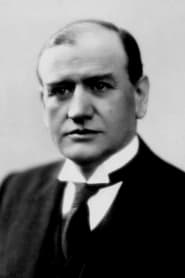
Édouard Daladier
Actor
Born: June 18, 1884 in Carpentras, Vaucluse, France Died: October 10, 1970 Active: 1919-1958 (political career)
Films
1 film
About Édouard Daladier
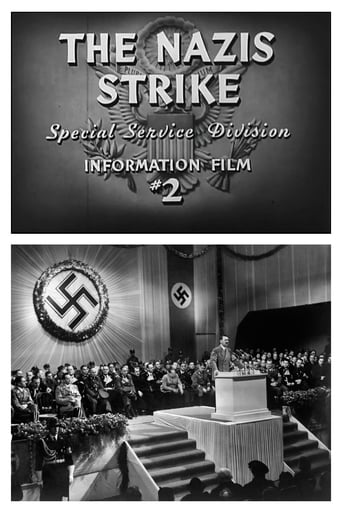
Served as Prime Minister of France three times during the tumultuous 1930s. Born in 1884, he rose through the ranks of the Radical Socialist Party and became a key figure in French politics during the interwar period. Daladier is best known for his role as Prime Minister during the Munich Crisis of 1938, where he signed the Munich Agreement alongside Neville Chamberlain, Adolf Hitler, and Benito Mussolini. After France's defeat in 1940, he was arrested by the Vichy regime and imprisoned, later being tried by the Vichy government at the Riom Trial. Following the war, he returned to politics but never regained his previous prominence. His appearance in 'Why We Fight: The Nazis Strike' (1943) was through archival footage showing him as the French Prime Minister during the lead-up to World War II, not as an actor performing a role.
The Craft
Milestones
- Prime Minister of France (1933, 1934, 1938-1940)
- Signatory of the Munich Agreement (1938)
- Leader of the Radical-Socialist Party
- Minister of War and National Defense
- Member of French Parliament for over 30 years
Best Known For
Iconic Roles
Must-See Films
Accolades
Special Recognition
- Grand Croix de la Légion d'honneur
- Croix de guerre 1914-1918
- Médaille militaire
Why They Matter
Impact on Culture
Édouard Daladier's political career had a profound impact on 20th-century European history, particularly through his involvement in the Munich Agreement, which became synonymous with appeasement policy. His decision to sign the agreement has been extensively studied by historians and political scientists as a case study in diplomatic decision-making under pressure. The footage of Daladier in Frank Capra's 'Why We Fight' series helped American audiences understand the political context leading to World War II.
Lasting Legacy
Daladier's legacy is complex and controversial. While initially praised for avoiding war at Munich, he was later criticized for appeasement. However, his steadfast refusal to continue negotiations with Hitler after the German occupation of Czechoslovakia in March 1939 demonstrated his commitment to French sovereignty. His imprisonment by the Vichy regime and later return to politics after the war cemented his status as a significant figure in French resistance history.
Who They Inspired
As a political leader, Daladier influenced French foreign policy during a critical period and his decisions continue to be studied in diplomatic circles. His approach to dealing with Nazi Germany serves as both a cautionary tale and a subject of historical debate about the nature of appeasement versus confrontation in international relations.
Off Screen
Édouard Daladier married Jeanne Boucoiran in 1911, and they remained married until her death in 1962. He was known for his academic background, having studied history at the École Normale Supérieure before entering politics. Despite his high political office, Daladier maintained a relatively private personal life and was respected for his intellectual approach to politics.
Education
École Normale Supérieure, University of Paris (History degree)
Family
- Jeanne Boucoiran (1911-1962)
Did You Know?
- Was a history teacher before entering politics
- Known as 'the Bull of Vaucluse' for his stubborn determination
- Was imprisoned in various locations including the Château de Chazeron and Buchenwald concentration camp
- Survived an assassination attempt in 1932
- Was a close friend of British Prime Minister Neville Chamberlain
- Spoke fluent English, which was unusual for French politicians of his era
- His brother Joseph Daladier was also a politician
- Was the last surviving French Prime Minister from the interwar period
- Maintained a diary throughout his imprisonment which was later published
- Returned to serve in the French National Assembly after World War II
In Their Own Words
I came back from Munich with the profound conviction that we had escaped a terrible war.
Peace for our time. I have returned from Germany bringing peace with honour.
We shall not be able to avoid war unless we are prepared to make war inevitable.
Frequently Asked Questions
Who was Édouard Daladier?
French politician who served as Prime Minister of France three times during the 1930s and was a key figure in European diplomacy during the lead-up to World War II.
What was Édouard Daladier's role in World War II?
As Prime Minister in 1938, Daladier signed the Munich Agreement attempting to avoid war. He later led France into war against Germany in 1939 and was imprisoned by the Vichy regime after France's defeat.
When was Édouard Daladier born and when did he die?
Born June 18, 1884; died October 10, 1970.
What awards did Édouard Daladier receive?
Daladier received France's highest military and civil honors including the Grand Croix de la Légion d'honneur, the Croix de guerre, and the Médaille militaire for his service during World War I and political career.
Why did Édouard Daladier appear in 'Why We Fight: The Nazis Strike'?
Daladier appeared in the 1943 documentary through archival footage showing him as French Prime Minister during the Munich Crisis and early war years, not as an actor playing a role.