Films
1 film
About André Zwobada
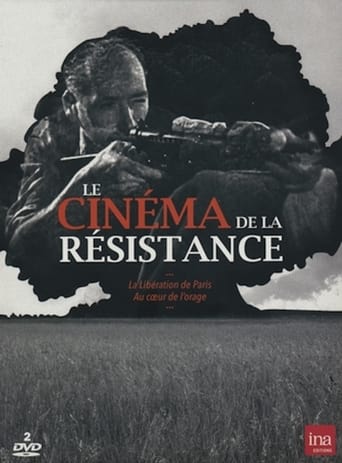
French filmmaker active during the World War II era, primarily known for his work documenting the liberation of Paris in 1944. His most significant contribution to cinema was directing the documentary film 'The Liberation of Paris' (La Libération de Paris), which captured the historic events of August 1944 when Paris was freed from Nazi occupation. This film stands as an important historical document, featuring actual footage of the French Resistance uprising, street fighting, and the arrival of Allied forces. Zwobada's work during this period placed him among the group of filmmakers who risked their lives to document moments of World War II. The film was created under dangerous conditions, with filmmakers working covertly to capture footage that would later become invaluable historical evidence. Unfortunately, detailed information about Zwobada's broader career, other potential works, or his life before and after this significant documentary remains scarce in film historical records. His contribution to wartime cinema represents the important role that documentary filmmakers played in preserving the reality of war for future generations.
The Craft
Behind the Camera
Documentary realism with focus on historical documentation
Milestones
- Directed 'The Liberation of Paris' (1944)
- Documented
- Contributed to wartime resistance filmmaking
Best Known For
Must-See Films
Working Relationships
Worked Often With
Studios
Why They Matter
Impact on Culture
André Zwobada's documentary 'The Liberation of Paris' holds significant cultural importance as it preserves. The documentary provides authentic footage of the Parisian uprising against Nazi occupation, showing the courage of French Resistance fighters and civilians who participated in the liberation. This type of wartime documentary filmmaking was crucial not only for historical documentation but also for boosting morale and preserving the memory of resistance efforts. The film continues to be referenced in historical documentaries and serves as primary source material for historians studying World War II. Zwobada's work represents the broader movement of resistance filmmakers who used cinema as a tool for both documentation and propaganda during wartime, often at great personal risk.
Lasting Legacy
André Zwobada's legacy, though not extensively documented, is preserved through his contribution to wartime documentary cinema. 'The Liberation of Paris' remains an important historical film that continues to be studied by historians and film scholars interested in World War II documentation. His work exemplifies the courage and dedication of filmmakers who operated under dangerous conditions to capture historical events as they unfolded. While Zwobada may not be widely known in mainstream film history, his contribution to preserving the visual record of the liberation of Paris ensures his place in the broader narrative of wartime documentary filmmaking. The film shows the power of cinema as a historical document and the important role that filmmakers played during one of history's most turbulent periods.
Who They Inspired
Due to the limited documentation about André Zwobada's broader career and filmography, it's difficult to trace his specific influence on other filmmakers. However, his work on 'The Liberation of Paris' contributed to the tradition of wartime documentary filmmaking that would influence later generations of documentary directors. The authentic, on-the-ground approach to documenting historical events demonstrated in this film reflects techniques that would become standard in documentary journalism and war correspondence. His work, along with that of other resistance filmmakers, helped establish precedents for citizen journalism and documentary filmmaking during conflicts, influencing how wars and major historical events would be documented in subsequent decades.
Off Screen
Very limited personal information is available about André Zwobada in existing film history records. His work during World War II suggests he was likely involved with the French Resistance or independent filmmaking efforts during the German occupation of France.
Did You Know?
- 'The Liberation of Paris' was filmed under extremely dangerous conditions during active combat
- The documentary features authentic footage of the August 1944 uprising against Nazi occupation
- Many wartime filmmakers worked anonymously or collectively, making individual contributions difficult to trace
- The film captures the moment when French Resistance fighters and civilians liberated their own city before Allied forces arrived
- Wartime documentaries like Zwobada's were often screened to boost civilian and military morale
- The footage captured in 'The Liberation of Paris' has been used in numerous historical documentaries about World War II
- Resistance filmmakers often had to hide their cameras and film from occupying forces
- Many of these wartime documentaries were edited and distributed after the liberation when it was safer to do so
- The film shows the destruction of Paris during the fighting as well as the celebrations that followed
- Wartime documentary filmmakers like Zwobada were among the first to document urban warfare on film
Frequently Asked Questions
Who was André Zwobada?
French documentary filmmaker active during World War II, best known for directing 'The Liberation of Paris' (1944), a historically significant documentary that captured the liberation of Paris from Nazi occupation.
What films is André Zwobada best known for?
Titles linked here include The Liberation of Paris (1944).
When was André Zwobada born and when did they die?
Specific birth and death dates for André Zwobada are not available in existing film history records, though his active filmmaking period was centered around 1944 during World War II.
What awards did André Zwobada win?
No documented awards or nominations for André Zwobada are available in film reference materials, which may reflect the limited documentation of his career or the nature of wartime documentary work.
What was André Zwobada's directing style?
Zwobada's directing style focused on documentary realism and historical documentation, capturing actual events as they unfolded during the liberation of Paris, characteristic of wartime resistance filmmaking that prioritized authenticity over artistic interpretation.