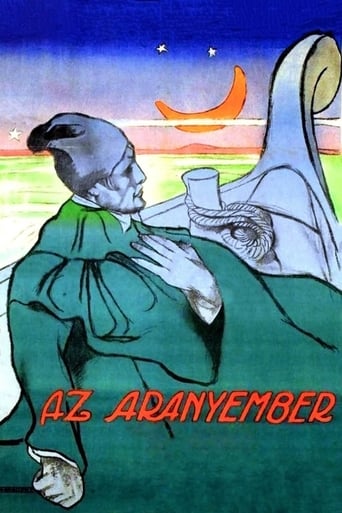
Films
1 film
About Gyula Bartos
Hungarian actor who worked during the silent film era, appearing in what appears to be his only credited role in the 1919 film 'The Man of Gold' (Az aranyember). This film was directed by Alexander Korda, who would later become figures in international cinema. Bartos was part of the vibrant Hungarian film industry of the 1910s, which was producing sophisticated films before being disrupted by World War I and subsequent political changes. His participation in a Korda production suggests he was likely a stage actor who transitioned to film during this period. The Hungarian film industry of this era was known for its artistic quality and technical innovation, with many actors like Bartos contributing to its golden age. Unfortunately, like many actors from this period and region, detailed records of his life and career are scarce, with 'The Man of Gold' being his only documented film credit.
The Craft
On Screen
As a silent era actor, Bartos would have employed the exaggerated gestures and facial expressions typical of the period, using physical performance to convey emotion and character without dialogue. His work in a Korda production suggests he was capable of the nuanced performances required for the sophisticated Hungarian cinema of the era.
Milestones
- Appeared in 'The Man of Gold' (1919) directed by Alexander Korda
Best Known For
Must-See Films
Working Relationships
Worked Often With
Studios
Why They Matter
Impact on Culture
Gyula Bartos represents the countless actors who contributed to the golden age of Hungarian silent cinema but whose names have been largely lost to history. His participation in 'The Man of Gold' places him within the context of Hungary's significant contribution to early world cinema, a period when Hungarian films were among the most sophisticated in Europe. The film itself, based on a classic Hungarian novel by Mór Jókai, was part of the national cinema movement that helped establish Hungarian cultural identity through film.
Lasting Legacy
While Gyula Bartos himself did not achieve lasting fame, his work contributes to the broader legacy of Hungarian silent cinema and the early career of Alexander Korda. The preservation of films like 'The Man of Gold' allows modern audiences to appreciate the work of actors like Bartos who were part of cinema's formative years. His story illustrates how many talented performers from this era have become footnotes in film history, their contributions known only through the surviving works they helped create.
Who They Inspired
As an actor with only one documented film credit, Gyula Bartos's direct influence on subsequent generations of performers cannot be traced. However, his participation in professional film productions during Hungary's cinematic golden age contributed to the artistic standards and techniques that would influence later Hungarian and international cinema.
Off Screen
Very little is known about the personal life of Gyula Bartos, as is common for many supporting actors from the silent era, particularly from Eastern European cinema where records were often incomplete or lost during the political upheavals of the 20th century.
Did You Know?
- Appeared in 'The Man of Gold' (1919), which was based on a novel by renowned Hungarian author Mór Jókai
- The film was directed by Alexander Korda, who would later become a major figure in British cinema
- 1919 was a tumultuous year in Hungarian history, with the fall of the Hungarian Soviet Republic affecting the film industry
- Many Hungarian films from this period were lost or destroyed during the political upheavals of the 20th century
- Hungarian cinema of the 1910s was considered among the most sophisticated in Europe
- The film's original Hungarian title was 'Az aranyember'
- Silent era actors often had backgrounds in theater, as was likely the case with Bartos
- The Hungarian film industry produced over 100 feature films during the 1910s despite the challenges of World War I
Frequently Asked Questions
Who was Gyula Bartos?
Screen credits include the 1919 film 'The Man of Gold' directed by Alexander Korda. He represents the many actors from early Hungarian cinema whose careers were brief but contributed to the country's golden age of filmmaking.
What films is Gyula Bartos best known for?
Titles linked here include The Man of Gold (1919).
When was Gyula Bartos born and when did he die?
Specific birth and death dates for Gyula Bartos are not available in historical records, which is common for many supporting actors from the silent era, particularly from Eastern European cinema where documentation was often incomplete.
What awards did Gyula Bartos win?
No records of awards or nominations for Gyula Bartos exist, which is typical for actors from this period and region who worked primarily in supporting roles before the establishment of formal film award systems.
What was Gyula Bartos's acting style?
As a silent era actor, Bartos would have employed the physical performance techniques common to the period, using exaggerated gestures and facial expressions to convey emotion. His work in a Korda production suggests he was capable of the sophisticated performances required for Hungarian cinema of the era.