Donald Kerr
Actor
Born: August 5, 1891 in Cedar Rapids, Iowa, USA Died: January 12, 1977 Active: 1918-1951
Films
1 film
About Donald Kerr
Prolific American character actor: over three decades, beginning in the silent film era and continuing through Hollywood's Golden Age. With his distinctive bald head, round glasses, and perpetually nervous demeanor, Kerr became one of Hollywood's most recognizable bit players, appearing in more than 300 films between 1918 and 1951. He specialized in comic relief roles, often playing anxious clerks, nervous hotel managers, or flustered bystanders who found themselves caught up in the main characters' adventures. Kerr successfully transitioned from silent films to talkies, where his distinctive voice and timing enhanced his comedic performances. He worked with virtually every major studio in Hollywood, including Universal, where he appeared in several horror films alongside stars like Bela Lugosi and Boris Karloff. Despite rarely receiving screen credit, Kerr's face was familiar to movie audiences throughout the 1930s and 1940s, making him one of the era's most reliable character actors. His career declined in the 1950s as the studio system changed, but he left behind an impressive body of work that showcases the importance of supporting actors in classic Hollywood cinema.
The Craft
On Screen
Donald Kerr specialized in playing nervous, anxious, and flustered characters with a distinctive comedic timing. His acting style relied heavily on physical comedy, including double-takes, nervous tics, and exaggerated reactions to situations. Kerr's bald head, round glasses, and high-pitched voice became his trademark, allowing him to instantly establish his character type to audiences. He excelled at providing comic relief in otherwise serious films, often stealing scenes with minimal screen time through his expressive face and precise comedic delivery. His ability to convey panic and confusion with subtle gestures and facial expressions made him particularly effective in horror and suspense films.
Milestones
- Appeared in over 300 films during his 33-year career
- Successful transition from silent to sound films
- Regular performer at Universal Studios horror films
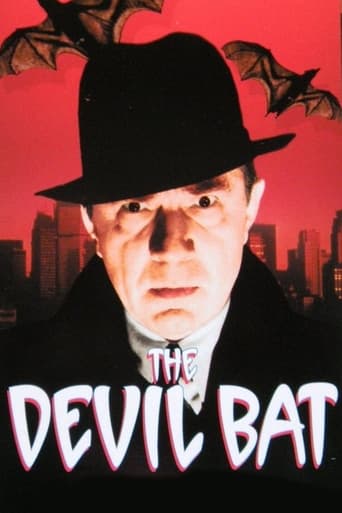
- Memorable role in The Devil Bat (1940) opposite Bela Lugosi
- Prolific bit player and character actor throughout the 1930s-40s
- Worked with comedy legends Abbott and Costello
- Appeared in multiple Universal horror cycle films
Best Known For
Iconic Roles
Must-See Films
Working Relationships
Worked Often With
Studios
Why They Matter
Impact on Culture
Donald Kerr represents the essential but often overlooked contribution of character actors to Golden Age Hollywood cinema. His consistent presence in hundreds of films helped create the supporting characters that made classic movies feel authentic and complete. As. His work in Universal's horror cycle helped balance the tension in these films, making them more accessible to mainstream audiences. Kerr's career exemplifies the studio system at its most efficient, where reliable character actors like him could move between productions and studios, always delivering exactly what was needed for each role.
Lasting Legacy
Donald Kerr's legacy lives on through the hundreds of films in which he appeared, many of which are now considered classics of American cinema. Film historians and classic movie enthusiasts recognize him as. His performances continue to entertain new generations of film lovers who discover his work through classic film revivals, streaming services, and television broadcasts. Kerr represents the thousands of working actors who formed the backbone of Hollywood's studio system, contributing their talents to countless films while rarely achieving star status. His body of work serves as a valuable record of the craft of character acting in classic Hollywood and reminds us of the importance of every role, no matter how small, in creating memorable cinema.
Who They Inspired
While Donald Kerr was not an actor who influenced others through stardom or groundbreaking techniques, his consistent professionalism and distinctive comic style set a standard for character actors in Hollywood. His ability to quickly establish a character and deliver laughs with minimal screen time demonstrated the art of the bit performance, influencing generations of character actors who followed. Kerr's work in balancing horror films with comic relief showed studios the commercial value of genre blending, a practice that became increasingly common in Hollywood productions. His longevity in the business, spanning from silent films through the transition to sound and into the television era, provided a model for adaptability that many actors sought to emulate in their own careers.
Off Screen
Donald Kerr led a relatively private life away from the Hollywood spotlight, maintaining a reputation as a reliable professional throughout his career. He married actress Virginia Vance in 1925, and the couple remained together until her death in 1947. Unlike many of his Hollywood contemporaries, Kerr avoided scandal and maintained a reputation as a reliable professional who was always prepared and easy to work with on set. After his acting career wound down in the early 1950s, he lived quietly in Los Angeles until his death in 1977 at the age of 85. His dedication to his craft and consistent work ethic made him a respected figure among his peers in the film industry.
Family
- Virginia Vance (1925-1947)
Did You Know?
- Appeared in over 300 films during his 33-year career
- Often went uncredited despite having significant screen time
- Was a regular performer in Universal's horror films of the 1940s
- His distinctive bald head and glasses made him one of Hollywood's most recognizable character actors
- Worked with comedy legends including Abbott and Costello, W.C. Fields, and The Three Stooges
- Appeared in multiple films with horror icons Bela Lugosi and Lon Chaney Jr.
- Successfully transitioned from silent films to talkies, unlike many of his contemporaries
- Was married to fellow actor Virginia Vance for 22 years until her death
- His final film appearance was in 1951's 'The Lemon Drop Kid' starring Bob Hope
- Despite never achieving stardom, he worked consistently in Hollywood for over three decades
- Often played the same type of nervous character across different films and studios
- His character type became so recognizable that audiences would laugh the moment he appeared on screen
Frequently Asked Questions
Who was Donald Kerr?
Screen credits include over 300 films between 1918 and 1951. Known for his distinctive bald head, glasses, and nervous demeanor, he specialized in comic relief roles and became one of Hollywood's most recognizable bit players during the Golden Age of cinema.
What films is Donald Kerr best known for?
Titles linked here include The Devil Bat (1940), The Invisible Man Returns (1940).
When was Donald Kerr born and when did he die?
Born August 5, 1891; died January 12, 1977.
What awards did Donald Kerr win?
Donald Kerr did not receive major awards or nominations during his career, which was typical for character actors of his era. However, his consistent work over three decades and appearances in hundreds of films represent a significant achievement in Hollywood history.
What was Donald Kerr's acting style?
Kerr specialized in playing nervous, anxious characters with distinctive comedic timing. His style relied on physical comedy, nervous tics, and exaggerated reactions, using his bald head, glasses, and high-pitched voice to create instantly recognizable comic characters who provided relief in otherwise serious films.