Films
1 film
About May Emory
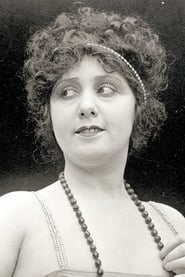
American actress who worked briefly during the silent film era in 1917. Her known filmography consists of a single appearance in the comedy short 'Teddy at the Throttle,' starring Harold Lloyd. Like many performers of the silent era, her career was extremely brief, spanning only one year. She was part of the vast ensemble of supporting actors who populated the thriving Hollywood studio system of the 1910s. Unfortunately, detailed records about her life and career are scarce, which was common for many bit players and supporting actors of this period who did not achieve lasting fame. Her disappearance from film records after 1917 suggests she either left the industry, married and changed her name, or pursued other career opportunities. The lack of extensive documentation about her life reflects the challenges film historians face when researching lesser-known figures from early cinema.
The Craft
On Screen
Like many supporting actors in silent comedy shorts, May Emory likely employed exaggerated physical expressions and gestures typical of the era's performance style. Silent film acting required broad, clear emotional expressions to convey meaning without dialogue, and comedy shorts especially relied on slapstick and visual gags.
Milestones
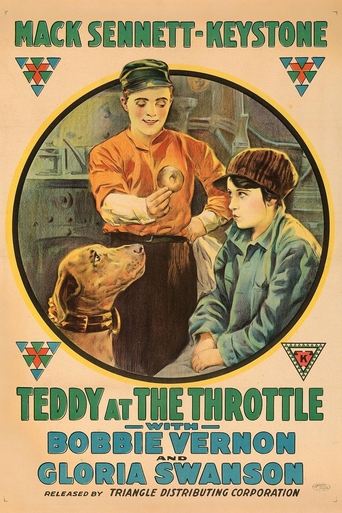
- Appeared in 'Teddy at the Throttle' (1917) starring Harold Lloyd
Best Known For
Iconic Roles
Must-See Films
Working Relationships
Worked Often With
Studios
Why They Matter
Impact on Culture
May Emory represents the thousands of anonymous performers who contributed to the golden age of silent cinema but whose names have been largely lost to history. Her brief appearance in a Harold Lloyd short places her within the context of early American comedy filmmaking, a period that established many conventions of cinematic comedy that would influence generations of filmmakers. While her individual impact was minimal, she was part of the collaborative ecosystem that made silent film production possible.
Lasting Legacy
May Emory's legacy is primarily as an example of the transient nature of early Hollywood careers and the difficulty of preserving complete records of all film industry participants. Her story illustrates how many actors, even those who appeared in films with major stars like Harold Lloyd, could quickly fade from historical record. She serves as a reminder of the vast number of unsung contributors to cinema's early development.
Who They Inspired
Given her extremely brief career and single known film appearance, May Emory likely had minimal direct influence on other performers or filmmakers. Her work exists primarily as part of the broader tapestry of silent era cinema rather than as an individual artistic influence.
Off Screen
Very little is known about May Emory's personal life, which is typical for many supporting actors from the silent era who did not achieve lasting fame. Records about marriages, family, or personal relationships have not been preserved in accessible film archives or historical documents.
Did You Know?
- Appeared in only one known film during her entire career
- Worked during the peak year of American silent film production (1917)
- Shared the screen with Harold Lloyd, one of silent cinema's biggest stars
- All film credits listed here fall in a single year
- Like many silent era bit players, her personal details remain largely undocumented
- Her film 'Teddy at the Throttle' was a comedy short, typical of the format that dominated early cinema
- The lack of information about her reflects the incomplete nature of silent era film records
Frequently Asked Questions
Who was May Emory?
American actress who appeared briefly in silent films during 1917. She is known only for her appearance in the Harold Lloyd comedy short 'Teddy at the Throttle,' making her one of the many obscure performers from early cinema whose careers were extremely brief.
What films is May Emory best known for?
Titles linked here include Teddy at the Throttle (1917).
When was May Emory born and when did she die?
Unfortunately, May Emory's birth and death dates are not documented in available historical records. This lack of personal information is common for many supporting actors from the silent era who did not achieve lasting fame.
What awards did May Emory win?
May Emory did not receive any known awards or nominations during her brief film career. The major film awards, including the Academy Awards, were not established until after her active period in cinema.
What was May Emory's acting style?
While specific details about her acting style are not documented, as a performer in a 1917 silent comedy, she likely employed the exaggerated physical expressions and broad gestures typical of silent film acting, especially in the comedy genre where clear visual communication was essential.