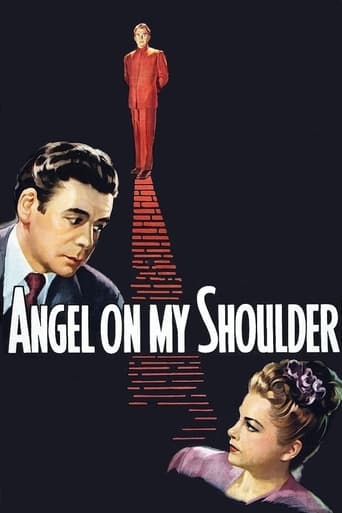
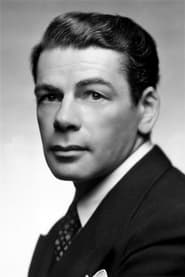
Paul Muni
Actor
Born: September 22, 1895 in Lemberg, Austria-Hungary (now Lviv, Ukraine) Died: August 25, 1967 Active: 1929-1959 Birth Name: Meshilem Meier Weisenfreund
Films
1 film
About Paul Muni
Paul Muni, born Meshilem Meier Weisenfreund, was respected and versatile actors of Hollywood's Golden Age, renowned for his intense method acting and complete physical transformations for each role. Beginning his career on the Yiddish stage in New York alongside his actor parents, Muni transitioned to Broadway in the 1920s before making his film debut in 1929. He rose to prominence at Warner Bros. In the early 1930s with powerful performances in gangster films like 'Scarface' and social dramas such as 'I Am a Fugitive from a Chain Gang.' Muni won the Academy Award for Best Actor for his portrayal of Louis Pasteur in 1936, cementing his reputation as Hollywood's premier character actor. Throughout the 1930s and 1940s, he became known for his meticulous preparation and ability to completely disappear into historical figures, including Emile Zola, Benito Juárez, and Louis Pasteur. His career slowed in the 1950s as he became increasingly selective about roles, preferring stage work to film. Muni's final film appearance was in 'The Last Angry Man' (1959), after which he retired due to failing health, leaving behind a legacy as one of cinema's first true method actors.
The Craft
On Screen
Pioneer of method acting before the term was widely known, employing exhaustive research and complete physical transformation for each role. He would spend months studying his characters, adopting their mannerisms, speech patterns, and even altering his appearance through makeup and weight changes. Muni's approach was intensely psychological, often immersing himself so completely in roles that he maintained character off-camera. His performances were characterized by their authenticity, emotional depth, and remarkable attention to historical accuracy when portraying real figures. Unlike many contemporaries, Muni rejected theatrical gestures in favor of subtle, naturalistic acting that influenced generations of method actors who followed.
Milestones
- Broadway stage debut in 'We Americans' (1926)
- Film debut in 'The Valiant' (1929)
- Breakthrough role in 'Scarface' (1932)
- Academy Award for 'The Story of Louis Pasteur' (1936)
- Starred in 'I Am a Fugitive from a Chain Gang' (1932)
- Portrayed Emile Zola in Oscar-winning film (1937)
- Final film 'The Last Angry Man' (1959)
Best Known For
Iconic Roles
Must-See Films
Accolades
Won
- Academy Award for Best Actor - The Story of Louis Pasteur (1936)
- Volpi Cup for Best Actor - The Story of Louis Pasteur (1936)
- New York Film Critics Circle Award for Best Actor - The Life of Emile Zola (1937)
Nominated
- Academy Award for Best Actor - The Valiant (1929)
- Academy Award for Best Actor - I Am a Fugitive from a Chain Gang (1932)
- Academy Award for Best Actor - The Life of Emile Zola (1937)
- Academy Award for Best Actor - The Last Angry Man (1959)
Special Recognition
- Hollywood Walk of Fame Star (1958)
- American Film Institute's Greatest Male Stars ranking (AFI's 25 Greatest Male Screen Legends)
Working Relationships
Worked Often With
Studios
Why They Matter
Impact on Culture
Paul Muni revolutionized screen acting in the 1930s by introducing a level of psychological realism and character immersion that was unprecedented in Hollywood. His performances in socially conscious films like 'I Am a Fugitive from a Chain Gang' helped establish the genre of social problem films that addressed contemporary issues. Muni's portrayals of historical figures set new standards for biographical films, demonstrating how actors could bring historical authenticity to their roles through intensive research and preparation. His commitment to the craft of acting elevated the profession's artistic credibility and helped establish the actor as an artist rather than merely an entertainer. Muni's work also contributed to breaking down ethnic barriers in Hollywood, as one of the first Jewish actors to achieve leading man status without changing his name or hiding his heritage.
Lasting Legacy
Paul Muni's legacy endures as one of Hollywood's most respected character actors and a pioneer of method acting techniques. His approach to complete character transformation influenced generations of actors who followed, from Marlon Brando to Daniel Day-Lewis. Muni's films remain classics of American cinema, with 'Scarface' still studied as a landmark gangster film and 'I Am a Fugitive from a Chain Gang' recognized as a powerful social commentary. His multiple Academy Award nominations and wins established him as. Beyond his specific performances, Muni's dedication to authenticity and his refusal to compromise his artistic integrity set a standard for serious actors that continues to resonate in contemporary cinema.
Who They Inspired
Paul Muni's influence on acting cannot be overstated, as he was practicing method acting years before it became formally associated with the Actors Studio and Lee Strasberg. His intensive preparation methods, including extensive research and physical transformation, became standard practice for serious dramatic actors. Muni's success in playing diverse ethnic and historical roles without caricature opened doors for more nuanced representations in Hollywood cinema. Contemporary actors who specialize in character transformation, such as Daniel Day-Lewis and Gary Oldman, follow in Muni's tradition of complete immersion in roles. His work also influenced the development of biographical films, establishing a template for how actors could approach portraying real historical figures with both accuracy and dramatic power.
Off Screen
Paul Muni was known for his intensely private nature and dedication to his craft, often disappearing from public view between films to prepare for his next role. He married fellow actress Bella Finkel in 1921, and their marriage lasted until his death in 1967, unusual for Hollywood standards. The couple had no children but were known for their close relationship and mutual support of each other's careers. Muni was notoriously reclusive, rarely giving interviews and avoiding Hollywood social functions, preferring instead to focus on his work and live a quiet life away from the spotlight. Despite his fame, he maintained a humble lifestyle and was known for his intellectual pursuits, particularly his love of literature and history.
Education
Educated in public schools in New York City after immigrating from Austria-Hungary; informal acting training from his parents who were professional Yiddish theater actors
Family
- Bella Finkel (1921-1967)
Did You Know?
- Was born with the birth name Meshilem Meier Weisenfreund
- Began acting at age 12 in Yiddish theater productions
- His parents were both professional Yiddish theater actors
- Spoke seven languages fluently, which helped him with international roles
- Was so dedicated to authenticity that he once grew a foot-long beard for a role
- Turned down the lead role in 'Mr. Smith Goes to Washington'
- Was one of the highest-paid actors in Hollywood in the 1930s
- Refused to sign long-term studio contracts, preferring to work film by film
- His performance in 'The Story of Louis Pasteur' was so convincing that the Pasteur Institute honored him
- Often took years between film roles to prepare for his next character
- Was offered but declined the role of Don Vito Corleone in 'The Godfather' due to health issues
- His final film 'The Last Angry Man' earned him his fifth Academy Award nomination
In Their Own Words
Acting is not about being someone different. It's finding the similarity in what is apparently different, then finding myself in there.
I don't act, I react. I don't play a character, I become the character.
The camera is a machine that records the truth. If you're not telling the truth, the camera will know it.
I'm not a star, I'm an actor. Stars belong in the sky.
Preparation is everything. When I step on that set, I've already lived the character's life.
Frequently Asked Questions
Who was Paul Muni?
Highly acclaimed American with credits in this catalog. He won an Academy Award for Best Actor and was particularly famous for his portrayals of historical figures and his roles in socially conscious films of the 1930s.
What films is Paul Muni best known for?
Titles linked here include Scarface (1932), I Am a Fugitive from a Chain Gang (1932).
When was Paul Muni born and when did he die?
Born September 22, 1895; died August 25, 1967.
What awards did Paul Muni win?
Paul Muni won the Academy Award for Best Actor for 'The Story of Louis Pasteur' (1936), the Volpi Cup for Best Actor at the Venice Film Festival, and the New York Film Critics Circle Award for Best Actor. He received five Academy Award nominations throughout his career.
What was Paul Muni's acting style?
Pioneer of method acting, known for his exhaustive research and complete physical transformation for each role. He would spend months studying his characters and often maintained character off-camera, bringing unprecedented psychological realism to his performances.
Did Paul Muni have any children?
No, Paul Muni and his wife Bella Finkel, who were married from 1921 until his death in 1967, did not have any children. Their marriage was.
What was Paul Muni's real name?
Paul Muni's birth name was Meshilem Meier Weisenfreund. He was born to a Jewish family in Austria-Hungary and immigrated to America as a child, where he began his career in Yiddish theater before transitioning to English-language films.