Films
1 film
About Carmen Viance
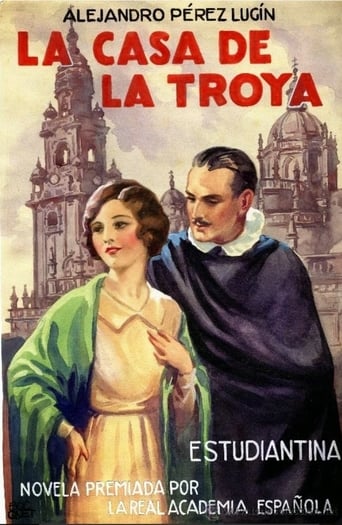
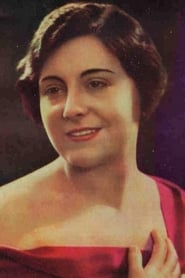
Spanish actress who emerged during the silent film era of the 1920s, representing the early wave of Spanish cinema. Her most notable and apparently only significant film appearance was in 'La casa de la Troya' (1925), an adaptation of Alejandro Pérez Lugín's beloved novel about student life in Santiago de Compostela. The film was directed by Alejandro Pérez Lugín himself and was one of the more ambitious Spanish productions of its time. Viance's role in this film placed her among the actresses of Spanish cinema during a period when the domestic film industry was still finding its voice. Like many actors of the silent era in Spain, detailed records of her career are scarce, suggesting she may have had a brief tenure in the film industry. Her appearance in this significant literary adaptation indicates she was likely chosen for her ability to embody the period's romantic sensibilities. The limited documentation of her career is typical of many Spanish actors from this transitional period in cinema history.
The Craft
On Screen
While specific details about Carmen Viance's acting style are not well-documented, as a silent film actress in 1920s Spain, she would have employed the exaggerated gestures and facial expressions typical of the era to convey emotion without dialogue. Her performance in a literary adaptation suggests she likely brought theatrical training to her screen work.
Milestones
- Starred in 'La casa de la Troya' (1925), one of the notable Spanish silent film adaptations of the 1920s
Best Known For
Iconic Roles
Must-See Films
Working Relationships
Worked Often With
Why They Matter
Impact on Culture
Carmen Viance represents the often-overlooked contributions of women in early Spanish cinema. Her participation in 'La casa de la Troya' places her within the context of Spain's efforts to develop a national film industry during the 1920s. The film itself was significant as an adaptation of popular Spanish literature, reflecting the cultural movement to bring national stories to the screen. While her individual impact may be difficult to trace due to limited documentation, she is part of the foundational generation of Spanish film actors who helped establish the medium in their country.
Lasting Legacy
Carmen Viance's legacy is primarily preserved through her appearance in 'La casa de la Troya,' which stands as an important artifact of Spanish silent cinema. While she may not have achieved lasting fame, her contribution is part of the broader tapestry of early Spanish film history. The film itself has historical value as an adaptation of one of Galicia's most famous literary works, and Viance's role in it makes her a small but significant part of Spanish cultural heritage from the silent era.
Who They Inspired
Due to the brief nature of her documented career, there is little evidence of Carmen Viance's direct influence on other actors or filmmakers. However, as part of the generation of Spanish cinema, she and her contemporaries laid groundwork for future Spanish actresses who would achieve greater recognition in later decades.
Off Screen
Very little documented information exists about Carmen Viance's personal life, which is common for actors from the early Spanish silent film era. Her brief appearance in cinema history suggests she may have pursued other career paths after her single film appearance, or perhaps married and left the entertainment industry, as was common for actresses of her time.
Did You Know?
- Carmen Viance's film career appears to have been limited to a single known appearance in 1925
- 'La casa de la Troya' was directed by the author of the original novel, Alejandro Pérez Lugín
- The film was an adaptation of
- The story depicts student life in the historic city of Santiago de Compostela
- 1925 was a significant year for Spanish cinema, with increased domestic production
- Like many silent films of the era, 'La casa de la Troya' is now considered a rare piece of Spanish film heritage
- The film was part of a movement to adapt classic Spanish literature for the emerging medium of cinema
Frequently Asked Questions
Who was Carmen Viance?
Spanish actress from the silent film era who is primarily known for her appearance in the 1925 film 'La casa de la Troya.' She was part of the early generation of Spanish cinema actors during a period when the domestic film industry was still developing.
What films is Carmen Viance best known for?
Titles linked here include La casa de la Troya (1925).
When was Carmen Viance born and when did she die?
Specific birth and death dates for Carmen Viance are not documented in available historical records, which is common for many actors from the early Spanish silent film era who had brief careers.
What awards did Carmen Viance win?
There are no documented awards or nominations for Carmen Viance, which is typical for actors from the early Spanish silent film period when formal recognition systems were not yet established.
What was Carmen Viance's acting style?
While specific details about her acting style are not recorded, as a silent film actress of the 1920s, she would have used the exaggerated gestures and expressive techniques common to the era to convey emotions without dialogue.