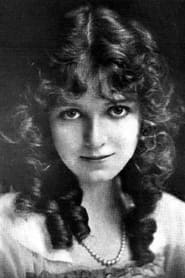
Vivian Martin
Actor
Born: July 15, 1893 in Sparta, Michigan, USA Died: February 16, 1987 Active: 1914-1926 Birth Name: Vivian Louise Martin
Films
1 film
About Vivian Martin
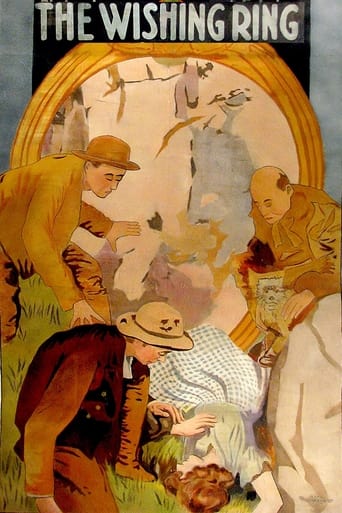
Prominent American silent film actress who rose to stardom during the 1910s, beginning her career with the 1914 film 'The Wishing Ring: An Idyll of Old England.' She quickly became popular actresses of her era, known for her wholesome, girl-next-door charm and natural acting style that resonated with audiences. Martin worked extensively with director James Kirkwood and was frequently paired with leading man Harold Lockwood in romantic comedies and dramas. Her career peaked in the mid-1910s when she was one of the highest-paid actresses in Hollywood, commanding substantial salaries from studios like Famous Players-Lasky and Paramount. As the film industry evolved and her popularity waned in the early 1920s, Martin gradually transitioned away from acting, making her final film appearances in the mid-1920s before retiring from the entertainment industry entirely.
The Craft
On Screen
Natural and understated for the silent era, Martin was known for her expressive eyes and subtle emotional range. Unlike many of her contemporaries who relied on exaggerated gestures, she brought a sense of authenticity and relatability to her roles, particularly in romantic comedies where her girl-next-door appeal was most effective.
Milestones
- Breakthrough role in 'The Wishing Ring: An Idyll of Old England' (1914)
- Became one of the highest-paid actresses of the 1910s
- Popular pairing with Harold Lockwood in numerous romantic films
- Successful transition from short films to feature-length productions
- Starred in over 60 films during her career
Best Known For
Iconic Roles
Must-See Films
Accolades
Special Recognition
- Star on the Hollywood Walk of Fame (for contributions to motion pictures)
Working Relationships
Worked Often With
Studios
Why They Matter
Impact on Culture
Vivian Martin represented the ideal of American womanhood during the transitional period of the 1910s, embodying innocence, virtue, and romantic optimism that appealed to wartime and post-war audiences. Her natural acting style helped influence a move away from the theatrical performances common in early cinema toward more subtle, realistic portrayals. As one of the first actresses to achieve true stardom and command high salaries, Martin helped establish the economic viability of the star system in Hollywood.
Lasting Legacy
Though largely forgotten today, Vivian Martin — significant figure in the development of early Hollywood stardom and the evolution of screen acting. Her successful career during the formative years of American cinema demonstrated the commercial potential of the feature film format and the star system. Her work with Harold Lockwood created one of the first popular on-screen romantic pairings, setting a precedent for future Hollywood couples. Film historians recognize her as an important transitional figure between the primitive cinema of the early 1910s and the sophisticated silent films of the 1920s.
Who They Inspired
Martin's naturalistic acting approach influenced subsequent generations of actresses who sought to bring more authenticity to their screen performances. Her success in romantic comedies helped establish the genre as a commercially viable format for feature films. The professional model she followed—moving from short films to features, commanding high salaries, and maintaining a wholesome public image—became a template for future Hollywood stars.
Off Screen
Vivian Martin was known for her relatively private personal life compared to many of her Hollywood contemporaries. She married William H. Bowman, a wealthy businessman, in 1926, which coincided with her retirement from films. The couple remained married until Bowman's death in 1966. After her acting career ended, Martin largely stayed out of the public eye, focusing on her marriage and personal interests. She lived a comfortable life in California for many years before passing away at age 93 in 1987.
Education
Educated in Michigan schools; no formal dramatic training, learned acting through practical experience in films
Family
- William H. Bowman (1926-1966)
Did You Know?
- Her breakthrough film 'The Wishing Ring' was shot in England, making it one of the early American productions filmed overseas
- She was reportedly earning $1,000 per week at the height of her popularity, equivalent to over $25,000 today
- Martin often performed her own stunts in action sequences
- She was one of the first actresses to successfully transition from short films to feature-length productions
- Her pairing with Harold Lockwood was so popular that they made over a dozen films together
- Unlike many silent stars, she successfully avoided scandal throughout her career
- She retired from films at the relatively young age of 33
- Martin was known for her charitable work during World War I, supporting various relief efforts
- She was an accomplished horseback rider, which she showcased in several Western-themed films
- Her films were particularly popular in small-town America, where her wholesome image resonated strongly
In Their Own Words
I believe the camera can see into your soul, so you must be truthful in every performance
The greatest reward of acting is not the applause, but knowing you've brought some happiness to people's lives
In pictures, as in life, simplicity is the key to beauty
Frequently Asked Questions
Who was Vivian Martin?
Popular American silent film actress who starred in over 60 films during the 1910s and early 1920s. She was known for her natural acting style and was one of the highest-paid actresses of her time, particularly famous for her romantic roles opposite Harold Lockwood.
What films is Vivian Martin best known for?
Titles linked here include The Wishing Ring: An Idyll of Old England (1914), The Sins of the Children (1918).
When was Vivian Martin born and when did she die?
Born July 15, 1893; died February 16, 1987.
What awards did Vivian Martin win?
While Vivian Martin did not receive major film awards during her career (the Academy Awards were not established until 1929, near the end of her active period), she was honored posthumously with a star on the Hollywood Walk of Fame for her contributions to motion pictures.
What was Vivian Martin's acting style?
Martin was known for her natural and understated acting style, which was ahead of its time for the silent era. Unlike many contemporaries who used exaggerated gestures, she relied on subtle expressions and emotional authenticity, particularly excelling in romantic and comedic roles.