
Films
3 films
About Charles Force
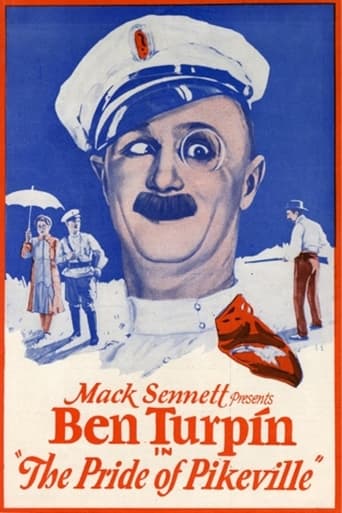
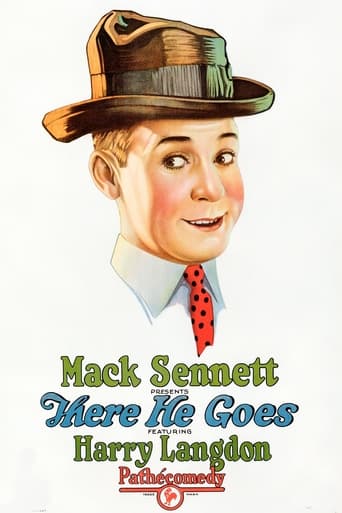
American character actor who worked during the silent film era, with a brief but documented career spanning from 1924 to 1927. Charles appears primarily in comedy shorts and supporting roles in feature films, representing the typical journeyman actor of mid-1920s Hollywood. Force's filmography includes appearances in 'The Hansom Cabman' (1924), 'There He Goes' (1925), and 'The Pride of Pikeville' (1927), suggesting he was likely a contract player or freelance actor working for various production companies during the peak of silent cinema. Like many supporting actors of his generation, Force specialized in character parts that required versatility and the ability to quickly establish a persona through physical acting and expression, essential skills in the silent medium. His career appears to have concluded around the time of the transition to sound films, a pattern common among many character actors whose voices or acting styles didn't translate well to the new medium. While not a major star, Force's contributions to early cinema exemplify the countless supporting players who formed the backbone of Hollywood's studio system during its formative years.
The Craft
On Screen
As a silent era actor, Charles Force likely employed exaggerated physical expressions and gestures typical of the period, focusing on visual storytelling through body language and facial expressions. His work in comedy shorts suggests he was adept at physical comedy and slapstick techniques that were popular in silent film entertainment.
Milestones
- Film debut in 'The Hansom Cabman' (1924)
- Supporting role in 'There He Goes' (1925)
- Final documented appearance in 'The Pride of Pikeville' (1927)
- Worked exclusively during the silent film era
- Representative character actor of 1920s Hollywood
Best Known For
Iconic Roles
Must-See Films
Why They Matter
Impact on Culture
Charles Force represents the thousands of character actors who were essential to the silent film industry but whose names have largely faded from popular memory. His brief career during the mid-1920s coincided with what many consider the golden age of silent cinema, when actors like him formed the foundation of Hollywood's burgeoning studio system. The work of supporting actors like Force was crucial to the success of films during this era, as they provided the depth and variety needed to make silent productions engaging and believable. While individual contributions may seem minor, collectively these actors helped establish the language of cinema and the techniques of film acting that would influence generations of performers. Force's career trajectory—from appearing in comedy shorts to supporting roles in features—typified the path many character actors took during the silent era, working steadily until the industry's transition to sound.
Lasting Legacy
Charles Force's legacy is primarily historical, serving as a representative example of the typical character actor during Hollywood's silent era. His documented filmography, though brief, provides insight into the career patterns of supporting players who formed the backbone of early cinema. Film historians and silent cinema enthusiasts recognize that actors like Force were instrumental in creating the 1920s Hollywood, even if their individual names have been lost to time. The preservation of his film credits in historical databases ensures that future generations can study the comprehensive scope of silent era filmmaking, including the contributions of lesser-known performers. His career also illustrates the challenging transition many actors faced with the advent of sound technology, which effectively ended numerous careers in the late 1920s.
Who They Inspired
As a supporting actor during the silent era, Charles Force's direct influence on other performers or the film industry was likely limited. However, like all actors of his generation, he was part of the group that helped establish fundamental acting techniques for cinema. His work in silent comedies would have contributed to the development of physical comedy and pantomime skills that became essential elements of film performance. The collective work of actors like Force influenced the development of character acting in Hollywood, establishing precedents for how supporting roles could enhance storytelling and provide depth to film productions.
Off Screen
Very little is documented about Charles Force's personal life, which was typical for supporting actors of the silent era who rarely received media attention. Like many character actors of his time, he likely lived a modest life focused on his craft, moving between various productions and studios as work became available.
Did You Know?
- Charles Force's entire known filmography spans only three years from 1924 to 1927
- All of his documented film appearances were during the silent era before the transition to sound
- His career appears to have ended around the same time many silent actors struggled with the transition to talkies
- The Pride of Pikeville (1927) was his last known film credit
- Like many character actors of the period, he likely played multiple uncredited roles within the same films
- His career trajectory was typical of journeyman actors who moved between various studios and productions
- The films he appeared in were primarily comedy productions, suggesting he specialized in comic supporting roles
- No photographs or extensive biographical information about Force appear to have survived, common for supporting actors of his era
- His brief career coincided with the peak years of silent film production in Hollywood
- The lack of documentation about his later life suggests he may have left the entertainment industry entirely after 1927
Frequently Asked Questions
Who was Charles Force?
American character with credits in this catalog. He appeared in supporting roles in several films including 'The Hansom Cabman,' 'There He Goes,' and 'The Pride of Pikeville,' representing the typical journeyman actor of 1920s Hollywood.
What films is Charles Force best known for?
Titles linked here include The Hansom Cabman (1924), There He Goes (1925).
When was Charles Force born and when did he die?
Specific birth and death dates for Charles Force are not documented in available historical records, which is common for supporting actors from the silent era. His known active years covered from 1924 to 1927, placing his active period during the peak of silent cinema.
What type of roles did Charles Force typically play?
Based on his filmography and the era in which he worked, Charles Force likely played various character and supporting roles in comedy productions. As a silent era actor, he would have specialized in physical acting and expression, common for character actors of the period.
Why did Charles Force's career end in 1927?
Charles Force's career ending in 1927 coincides with the major transition from silent films to talkies in Hollywood. Many character actors from the silent era struggled to adapt to sound films, leading to the end of their careers, and Force appears to have been among those affected by this industry transformation.