Henriette Moret
Actor
- Active
- 1925-1925
Films 1
About Henriette Moret
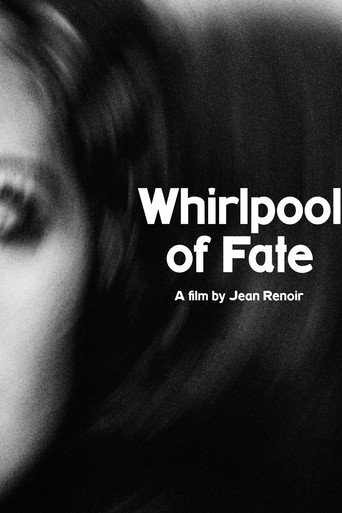
Henriette Moret appears in surviving film records as a very obscure silent-era screen performer, credited as an actor in the 1925 film "Whirlpool of Fate." Beyond that credit, reliable biographical information about her life and career is extremely limited, and she does not appear to have left a substantial footprint in the standard reference works for early cinema. Her known activity is confined, at minimum, to the mid-1920s, which suggests either a brief screen career or one that was not widely documented in surviving publicity and trade-paper material. Because her filmography is so sparse in accessible sources, it is difficult to reconstruct her broader professional trajectory, training, or later life with confidence. What can be said with certainty is that she was one of many performers who contributed to the silent-film era through roles that were often not preserved in detail by contemporary record-keeping. Her surviving screen presence, however limited, places her within the international and highly mobile talent pool that helped shape 1920s cinema. Any further claims about her birth, death, personal background, or later career would be speculative without additional archival evidence.
More about Henriette Moret
In film history
Henriette Moret's cultural impact is primarily archival and historical rather than celebrity-based. She stands as an example of the many silent-era performers whose work survives only in credits and film listings, reminding researchers that early cinema was built not only by famous stars but also by a large number of lesser-known actors whose careers were often brief or poorly documented. Her presence in a 1925 production contributes to the broader understanding of casting practices and the international character of silent-era film production. In that sense, her significance lies in representing the incomplete but still valuable record of film history. Even when a performer is obscure, their surviving credit helps scholars map the personnel networks that made early cinema possible.
Later reputation
Henriette Moret's lasting legacy is modest but meaningful within film historiography: she is part of the sparse surviving personnel record of the silent era. Her name attached to "Whirlpool of Fate" helps preserve a trace of a performer whose broader life and career may otherwise be lost to time. For database and archival work, such entries are important because they document the full ecosystem of early filmmaking, not just the marquee names. Her legacy therefore lies in the evidence of participation itself and in the ongoing effort to recover forgotten or under-documented contributors to cinema history.
Influence
There is no documented evidence that Henriette Moret exerted a direct influence on later actors or directors in the conventional sense. Her broader influence is indirect, insofar as her surviving credit contributes to the historical record used by scholars studying silent-era performance and production networks. In that archival sense, she is part of the collective body of early film workers whose careers inform modern understanding of the period. If additional records emerge, her place in cinematic history could become more specific, but based on currently available information, her influence is best understood as documentary rather than personally traceable.
Off screen
No reliable, publicly documented information could be confirmed about Henriette Moret's personal life, including family background, marriages, or domestic circumstances. She does not appear to have a widely preserved biography in the major accessible film-reference sources. As a result, any details about her private life would require archival research in period newspapers, studio documents, or surviving civil records.
Credits
- Credited as an actor in the 1925 silent-era film "Whirlpool of Fate"
- Represents one of the many lesser-documented performers working in mid-1920s cinema
- Associated with a period of film history in which many actors' contributions survive only in fragmentary credits
Roles
- Role in "Whirlpool of Fate" (1925)
Films
- "Whirlpool of Fate" (1925)
Notes
- Henriette Moret is currently known from only a very small number of accessible film references.
- Her credited screen work is tied to the silent film "Whirlpool of Fate" (1925).
- She appears to have had a very brief or at least very sparsely documented film career.
- No verified birth or death data is readily available in standard public-facing sources.
- Because of the limited surviving record, she is a figure of interest mainly to film historians and archivists.
- Her case illustrates how many silent-era performers remain under-documented despite appearing in surviving films.
Questions
Who was Henriette Moret?
Henriette Moret was a film actor credited in the 1925 silent-era production "Whirlpool of Fate." Very little reliable biographical information survives about her, so she is known chiefly through that screen credit. She is best understood as one of the many lesser-documented performers of the silent film era.
What films is Henriette Moret best known for?
She is best known, based on currently accessible records, for "Whirlpool of Fate" (1925). No additional confirmed film credits could be verified from the information available here. Her known filmography may be incomplete if archival sources surface later.
When was Henriette Moret born and when did she die?
Her birth and death dates are not currently confirmed in readily available public sources. Likewise, her birthplace and other vital details are not reliably documented in the surviving records consulted for this profile. Additional archival research would be needed to establish those facts.
What awards did Henriette Moret win?
No awards or major nominations are currently documented for Henriette Moret. This is not unusual for obscure silent-era performers whose careers were brief or poorly recorded. The surviving record identifies her primarily through a single credited film appearance.
What was Henriette Moret's acting style?
Her specific acting style is not documented in the available sources. Since only a limited screen credit survives, there is not enough evidence to characterize her technique with confidence. Any assessment would require viewing the film itself and comparing her performance to other silent-era acting conventions.
What is Henriette Moret's legacy in film history?
Her legacy is that of an under-documented silent-era performer whose name survives in the historical record. She contributes to the broader understanding of how many artists participated in early cinema without becoming widely famous. For researchers, even a single preserved credit can be valuable evidence of the era's rich but unevenly documented talent base.