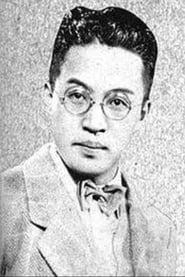
Denjirō Ōkōchi
Actor
Born: February 5, 1898 in Buzen, Fukuoka Prefecture, Japan Died: July 18, 1962 Active: 1925-1961 Birth Name: Masuo Ōbe
Films
2 films

About Denjirō Ōkōchi
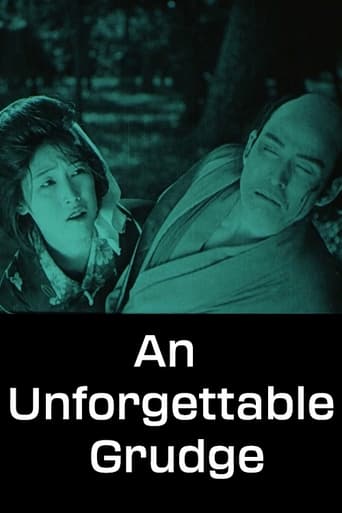
Titan of Japanese cinema, emerging as stars of the jidaigeki (period drama) genre during the silent and early sound eras. Born Masuo Ōbe to a family of physicians in Fukuoka, he initially sought a career as a playwright before joining the Shinkokugeki (New National Theatre) troupe, where he honed his skills in realistic swordplay under Shōjirō Sawada. His film career was launched in 1925 at Nikkatsu, but it was his 1926 collaboration with director Daisuke Itō in 'An Unforgettable Grudge' (Chōkon) that catapulted him to stardom. Ōkōchi became synonymous with the nihilistic, anti-heroic samurai, most notably portraying the one-armed, one-eyed swordsman Tange Sazen in a series of highly successful films. Throughout the 1930s and 1940s, he transitioned seamlessly into talkies, where his unique, rhythmic vocalization became a trademark. He worked with directors like Akira Kurosawa, Sadao Yamanaka, and Teinosuke Kinugasa, maintaining his status as a top-tier actor until his retirement in 1961. His dedication to his craft was so profound that he spent decades constructing the Ōkōchi Sansō, a magnificent villa and garden in Kyoto, which remains proof of his artistic spirit.
The Craft
On Screen
Ōkōchi was famous for his intense, physically demanding performances and his mastery of 'tate' (realistic sword-fighting). In the silent era, he utilized expressive facial movements and a dynamic, almost calligraphic physical presence. With the advent of sound, he developed a highly distinctive, slow, and rhythmic way of speaking that added a layer of gravitas and mystery to his characters.
Milestones
- Breakthrough performance in 'An Unforgettable Grudge' (1926) directed by Daisuke Itō
- Defined the character Tange Sazen in 'The Million Ryo Pot' (1935)
- Starred in Akira Kurosawa's directorial debut 'Sanshiro Sugata' (1943)
- Played the lead in the critically acclaimed 'A Diary of Chuji's Travels' (1927) trilogy
- Co-founded the Shintoho studio following the 1946 Toho labor strikes
- Maintained a career spanning over 300 films across the silent and sound eras
Best Known For
Iconic Roles
Must-See Films
Accolades
Won
- Kinema Junpo Award for Best Actor (Multiple nominations/mentions across career)
- Mainichi Film Concours - Special Award (Posthumous recognition for contribution to cinema)
Nominated
- Kinema Junpo Best Film lists (Frequently starred in top-ranked films from 1927 through 1950s)
Special Recognition
- Ōkōchi Sansō Garden (His private estate in Kyoto is preserved as a national cultural landmark)
- Recognized as one of the 'Six Great Stars' of Jidaigeki alongside Tsumasaburō Bandō and Chiezō Kataoka
Working Relationships
Worked Often With
Studios
Why They Matter
Impact on Culture
Denjirō Ōkōchi revolutionized the portrayal of the samurai on screen. Before him, samurai were often depicted as noble, flawless heroes; Ōkōchi introduced the 'nihilistic hero'—characters who were scarred, cynical, and socially marginalized, yet possessed a fierce internal code. This shift mirrored the social unrest of 1920s Japan and paved the way for the complex anti-heroes of later world cinema.
Lasting Legacy
His most enduring physical legacy is the Ōkōchi Sansō in Arashiyama, Kyoto, a sprawling villa and garden he designed and funded himself to ensure a place of beauty would remain after his death. In film history, he is remembered as the definitive Tange Sazen and a key figure in the 'Golden Age' of the Japanese period drama. His collaboration with Daisuke Itō is considered the pinnacle of silent jidaigeki artistry.
Who They Inspired
His stylized swordplay and unique vocal delivery influenced countless actors in the chanbara genre. Akira Kurosawa specifically chose him for roles that required a sense of established authority or spiritual depth, recognizing him as a bridge between the traditional theatrical past and the modern cinematic future.
Off Screen
Born into a long line of physicians, Ōkōchi broke family tradition to pursue the arts. He was a deeply spiritual man and a practitioner of Zen Buddhism, which influenced his decision to build the Ōkōchi Sansō garden over a period of 30 years. He was known for his reclusive nature later in life, preferring the serenity of his Kyoto estate to the limelight of Tokyo.
Education
Trained at the Shinkokugeki (New National Theatre) under the mentorship of Shōjirō Sawada.
Family
- Information regarding specific spouse names is not widely documented in English-language archives
Did You Know?
- He spent almost all of his film earnings over 30 years to build his famous garden, Ōkōchi Sansō.
- The 1926 film 'An Unforgettable Grudge' is mostly lost; only a 12-15 minute fragment of the final battle survives.
- He was known for his 'Okochi-setsu,' a unique, slow-tempo speaking style that became a popular subject of imitation in Japan.
- Despite his fame as a swordsman, he was a devout Buddhist and a man of peace in his private life.
- He played the character Tange Sazen in multiple films across different decades and studios.
- He was one of the few silent stars to successfully maintain his 'Top Star' status well into the sound era and post-WWII period.
In Their Own Words
I want to leave something beautiful behind that isn't just a flickering image on a screen. (Regarding the construction of his garden)
The sword is not just a weapon; it is an extension of the soul's struggle. (Reflecting on his role as a samurai actor)
Frequently Asked Questions
Who was Denjirō Ōkōchi?
Japanese film with credits in this catalog. He is best known for his intense portrayals of samurai and outlaws during the silent and early sound eras of Japanese cinema.
What films is Denjirō Ōkōchi best known for?
Titles linked here include An Unforgettable Grudge (Chōkon) (1926), A Diary of Chuji's Travels (1927).
When was Denjirō Ōkōchi born and when did he die?
Born February 5, 1898; died July 18, 1962.
What awards did Denjirō Ōkōchi win?
While formal award ceremonies were less common during his peak, he was a perennial favorite in the Kinema Junpo polls and received a posthumous Special Award from the Mainichi Film Concours for his lifelong contribution to the industry.
What was Denjirō Ōkōchi's acting style?
He was known for a 'nihilistic' acting style that combined realistic, high-energy swordplay with a brooding, psychological depth. In sound films, he was famous for his slow, rhythmic, and highly stylized vocal delivery.