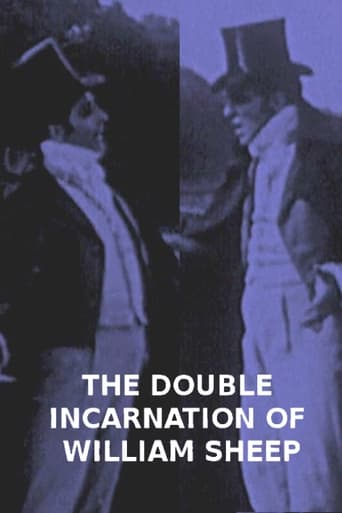
Films
1 film
About Georges-André Lacroix
French filmmaker active during the earliest days of cinema, specifically in 1913. His known directorial work consists solely of 'The Double Incarnation of William Sheep,' a silent film that represents his entire documented filmography. As a director during the era of filmmaking, Lacroix would have worked with primitive equipment and techniques that were still being developed. The fact that only one film is credited to him suggests he may have been either a short-lived contributor to the medium or possibly involved in other aspects of early cinema that were not well-documented. His career appears to have been extremely brief, confined to the single year of 1913, which was not uncommon during the experimental phase of cinema when many filmmakers tried their hand at the new art form. Like many early cinema pioneers, detailed records of his life and career are scarce, reflecting the transient nature of the film industry's earliest years.
The Craft
Behind the Camera
Given his work in 1913, Lacroix would have employed the theatrical, exaggerated acting style typical of early silent films, with directors relying heavily on visual storytelling and minimal camera movement due to the technical limitations of the era.
Milestones
- Directed 'The Double Incarnation of William Sheep' (1913)
Best Known For
Must-See Films
Why They Matter
Impact on Culture
Georges-André Lacroix represents the countless anonymous or nearly forgotten pioneers of early cinema who contributed to the development of the film medium during its formative years. While his individual impact may be difficult to trace due to limited documentation, filmmakers like him were essential in experimenting with narrative techniques and visual storytelling that would later become foundational to cinema. His single known work from 1913 places him among the generation of directors who transitioned cinema from simple novelty to narrative art form.
Lasting Legacy
The legacy of Georges-André Lacroix is primarily historical, serving as an example of the many early filmmakers whose work has been largely lost to time. His existence reminds film historians of the vast number of contributors to cinema's development whose stories remain untold due to the ephemeral nature of early film and poor record-keeping. While not a major figure in film history, he represents the broader context of cinema's earliest years when the medium was still finding its voice.
Who They Inspired
Due to the limited documentation of his work and career, it's difficult to trace specific influences that Georges-André Lacroix may have had on subsequent filmmakers. Like many directors of his era, any influence would have been indirect, contributing to the collective experimentation that advanced the art and technique of cinema during its decade.
Off Screen
Very little is documented about the personal life of Georges-André Lacroix, which is typical for many early cinema figures whose contributions were not widely recognized or preserved in historical records.
Did You Know?
- His entire known directorial career consisted of a single year: 1913
- Only one film is credited to him: 'The Double Incarnation of William Sheep'
- He worked during the silent era when cinema was still establishing itself as an art form
- Like many early filmmakers, detailed biographical information about him is scarce
- 1913 was a pivotal year in cinema, occurring just before World War I would disrupt European film production
- The unusual title of his only known film suggests it may have been an experimental or avant-garde work
- Early French cinema was among the most innovative in the world during this period
- Many films from this era have been lost, so there may be undocumented works by Lacroix
Frequently Asked Questions
Who was Georges-André Lacroix?
He is known for directing a single film, 'The Double Incarnation of William Sheep,' making him one of the many obscure figures from cinema's earliest years.
What films is Georges-André Lacroix best known for?
Titles linked here include The Double Incarnation of William Sheep (1913).
When was Georges-André Lacroix born and when did he die?
Unfortunately, specific birth and death dates for Georges-André Lacroix are not documented in available historical records, which is common for many early cinema pioneers whose biographical details were not preserved.
What awards did Georges-André Lacroix win?
There are no recorded awards or honors for Georges-André Lacroix, which is typical for filmmakers working in 1913, as formal award systems for cinema had not yet been established during this early period of filmmaking.
What was Georges-André Lacroix's directing style?
While specific details about his directing style are not documented, as a 1913 filmmaker he would have worked within the conventions of early silent cinema, employing theatrical acting styles and basic camera techniques typical of the era of filmmaking.