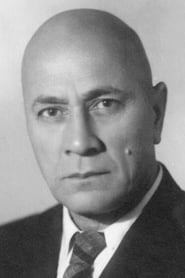
Akaki Khorava
Actor
Born: April 29, 1895 in Bakhvi, Guria, Georgia (then Russian Empire) Died: June 23, 1972 Active: 1920s-1972 Birth Name: Akaki Alekseyevich Khorava
Films
1 film
About Akaki Khorava
Georgian Soviet actor: both theater and cinema, making him performers in Georgian cultural history. Born in the village of Bakhvi in 1895, he began his artistic journey in theater before transitioning to film during the emergence of Soviet cinema. His powerful stage presence and commanding voice made him a natural fit for the camera, where he often portrayed heroic characters and historical figures. Throughout his career, Khorava was closely associated with the prestigious Rustaveli Theatre in Tbilisi, where he delivered unforgettable performances that became benchmarks in Georgian theatrical tradition. His film work, though less extensive than his stage career, included significant roles that showcased his remarkable range and depth as an actor. Khorava's contributions to Soviet and Georgian arts were recognized with the highest honors, including the title of People's Artist of the USSR. His legacy endures through his influence on generations of Georgian actors and his memorable performances that continue to be studied and admired.
The Craft
On Screen
Khorava was known for his powerful, theatrical acting style characterized by a commanding stage presence, rich baritone voice, and intense emotional delivery. His performances blended classical theatrical techniques with naturalistic elements, creating characters that were both grandiose and deeply human. He excelled in portraying historical figures and heroic characters, bringing gravitas and psychological depth to every role. His method emphasized vocal projection, precise movement, and the ability to convey complex emotions through subtle facial expressions and body language.
Milestones
- Joined the prestigious Rustaveli Theatre in Tbilisi
- Named People's Artist of the USSR (1936)
- Awarded Stalin Prize for artistic achievements (1941)
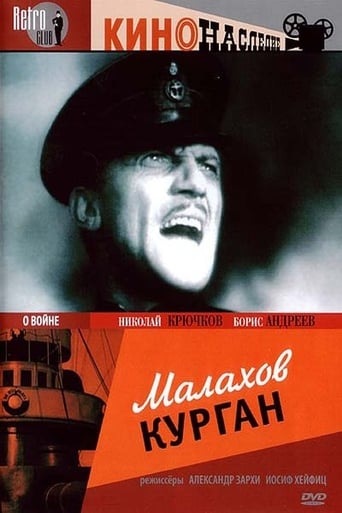
- Starred in the war film 'Malakhov Kurgan' (1944)
- Delivered acclaimed performance in 'Arsena' (1937)
- Received Order of Lenin for contributions to Soviet arts
- Mentored numerous Georgian actors and directors
- Became cultural icon in Georgian Soviet Republic
Best Known For
Iconic Roles
Must-See Films
Accolades
Won
- People's Artist of the USSR (1936)
- Stalin Prize (1941)
- Order of Lenin
- Order of the Red Banner of Labour
- People's Artist of the Georgian SSR
Special Recognition
- Theater named after him in Georgia
- Commemorative postage stamp issued by Soviet Union
- Memorial plaque at Rustaveli Theatre
- Streets named in his honor in Georgian cities
Working Relationships
Worked Often With
Studios
Why They Matter
Impact on Culture
Akaki Khorava played a pivotal role in shaping Georgian theatrical and cinematic culture during the Soviet era. His performances helped establish a distinct Georgian artistic identity within the broader Soviet cultural framework, preserving and promoting Georgian language and traditions through his work. As one of the first Georgian actors to receive the title of People's Artist of the USSR, he paved the way for future generations of Georgian artists to gain recognition at the national level. His interpretation of classic and contemporary works set new standards for theatrical performance in the Caucasus region.
Lasting Legacy
Khorava's legacy endures through the Akaki Khorava State Drama Theatre in Senaki, Georgia, which continues to be a major cultural institution. His acting techniques and interpretations are still studied in Georgian drama schools, and his film performances remain classics of Soviet cinema. He is remembered not only for his artistic achievements but also for his role in preserving Georgian cultural heritage during a period of significant political and social change. His influence can be seen in the work of countless Georgian actors who followed in his footsteps.
Who They Inspired
Khorava influenced generations of Georgian and Soviet actors through his emphasis on combining classical technique with emotional authenticity. His approach to character development, particularly in historical and heroic roles, became a model for performers throughout the Soviet Union. Many prominent Georgian actors of the mid-20th century cited him as a major influence, and his teaching methods continue to impact theatrical education in Georgia. His success demonstrated that regional artists could achieve national recognition while maintaining their cultural identity.
Off Screen
Akaki Khorava was deeply committed to his art and remained unmarried throughout his life, dedicating himself completely to theater and cinema. He lived modestly in Tbilisi and was known for his generosity toward young artists and students. Despite his fame and recognition, he maintained a humble lifestyle and was respected for his integrity and dedication to his craft. His home became a gathering place for intellectuals and artists, where discussions about theater, literature, and politics were common.
Education
Studied drama at the Georgian Drama Studio under Kote Marjanishvili, received theatrical training in Moscow during the 1920s
Did You Know?
- Despite his fame, Khorava never owned a car and preferred walking to the theater
- He was fluent in Georgian, Russian, and several other Caucasian languages
- His voice was considered so powerful that theaters were built with acoustics specifically to enhance his performances
- He turned down several offers to move to Moscow, preferring to remain in Georgia
- During World War II, he performed for soldiers at the front lines
- He was known to rehearse his roles for months before performances
- His personal library contained over 5,000 books on theater and literature
- He never charged for private lessons or mentoring young actors
- His performance in 'Malakhov Kurgan' was praised by Stalin himself
- He maintained a daily routine of voice exercises until his death
In Their Own Words
The stage is not a place for entertainment, but a temple where we serve the eternal truth of human experience.
An actor must first learn to be human before learning to be someone else.
The voice is the soul's instrument; to master it is to master oneself.
In every role, I search not for the character, but for the humanity that connects us all.
Frequently Asked Questions
Who was Akaki Khorava?
Renowned Georgian Soviet with credits in this catalog.
What films is Akaki Khorava best known for?
Titles linked here include Malakhov Kurgan (1944), Arsena (1937).
When was Akaki Khorava born and when did he die?
Born April 29, 1895; died June 23, 1972.
What awards did Akaki Khorava win?
Khorava received numerous honors including the title of People's Artist of the USSR (1936), the Stalin Prize (1941), Order of Lenin, and Order of the Red Banner of Labour.
What was Akaki Khorava's acting style?
Khorava was known for his powerful theatrical style characterized by a commanding presence, rich baritone voice, and emotional depth, blending classical techniques with naturalistic elements.
Where did Akaki Khorava primarily work?
He was primarily associated with the Rustaveli Theatre in Tbilisi, where he delivered many of his most acclaimed performances throughout his career.