
Peggy Shanor
Actor
- Active
- 1918-1918
Films 1
About Peggy Shanor
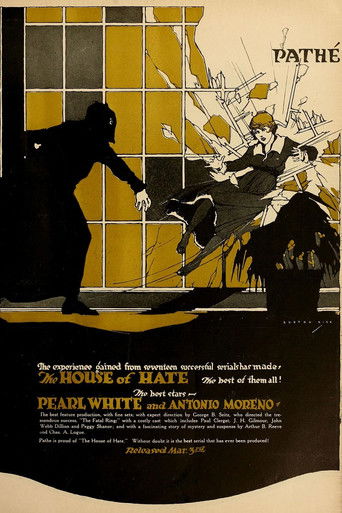
Peggy Shanor is a largely obscure American silent-era performer whose surviving screen record places her activity in 1918, when she appeared in the melodrama serial The House of Hate. Very little biographical information about her has survived in standard film-reference sources, which is not unusual for many short-lived actors and actresses from the silent period whose careers were often documented only in trade papers and incomplete studio records. Her known work suggests she was part of the broad cadre of supporting players who helped populate early twentieth-century serials and adventure pictures, contributing to the texture and suspense of productions that were designed for weekly exhibition. Because her credited filmography appears to be extremely limited, she is best understood as a minor but real participant in the formative years of American screen melodrama rather than as a star with a documented long career. No reliable evidence in the available classic-cinema references clearly establishes her full life story, later career, or post-film activities. She remains of historical interest primarily to silent-film researchers, serial enthusiasts, and database compilers trying to reconstruct the many under-documented figures of the era. In the absence of corroborated personal records, much of her biography must remain necessarily sparse and cautious.
More about Peggy Shanor
On screen
No reliable surviving critical description of Peggy Shanor's acting style is currently available in the standard silent-cinema reference record. Given the period and genre of The House of Hate, her performance would likely have followed the expressive, visual style typical of late silent melodrama, relying on gesture, facial expression, and physical positioning rather than dialogue. Because no verified reviews or detailed scene analyses have been located for her specifically, any more precise assessment would be speculative.
In film history
Peggy Shanor's cultural impact is best understood in a historical rather than celebrity context. Performers like her were part of the supporting infrastructure of silent-era filmmaking, particularly in serials and melodramas that relied on a large cast of recognizable screen types to sustain weekly audience interest. Even when individual names were not widely promoted, these actors helped establish the emotional rhythms, visual storytelling conventions, and performance language that defined early American cinema. Her presence in The House of Hate places her within a significant mode of popular entertainment that influenced later adventure serials, mystery thrillers, and episodic television storytelling. For modern historians, she represents the many under-recorded contributors whose work made the silent film industry function and flourish.
Later reputation
Peggy Shanor's legacy lies in her documentation as a surviving name from the silent-film era rather than in a large extant body of work. Because only a small number of credits are currently associated with her, she is important mainly as part of the effort to preserve and identify the personnel of early cinema before records were standardized. Her name helps fill in the cast history of The House of Hate and contributes to a more complete understanding of the performers who appeared in American serial productions. In film history, even such minimal traces matter, because they remind researchers how many early screen artists have been partially lost to time. Her legacy is therefore archival and historiographic: she is evidence of the many contributors whose careers shaped silent film but were not equally preserved in the public memory.
Influence
There is no documented evidence that Peggy Shanor directly influenced other actors or filmmakers in a way that survives in published sources. Her broader influence is indirect, in that she participated in the performance culture of silent serial cinema, helping embody the expressive conventions that later became part of screen acting grammar. To the extent that historians study her, it is as one of the many performers who collectively established the visual storytelling practices of the era. Any specific influence on later artists cannot be verified from currently available records.
Off screen
No reliable biographical record has been located that documents Peggy Shanor's personal life, including marriages, family background, residence, or later years. Standard silent-era reference sources do not appear to preserve enough information to reconstruct her private life with confidence. As a result, any claim about spouses, children, or family relationships would be speculative and has been omitted here. She is presently one of many early screen performers whose career survives in title cards and cast lists but not in detailed life histories.
Credits
- Appeared in the silent serial The House of Hate (1918), one of the few surviving credits associated with her name
- Represents the many lesser-documented supporting performers active in American silent melodrama during the late 1910s
- Her film credit places her within the historically important serial era that shaped audience expectations for cliffhangers and episodic storytelling
Roles
- Role in The House of Hate (1918)
Films
- The House of Hate (1918)
Notes
- Peggy Shanor is associated with only a very small surviving film record, which makes her a particularly elusive silent-era figure.
- Her known credit places her in The House of Hate, a 1918 serial melodrama from the late silent period.
- Many performers like Shanor were cast in serials because these productions needed large ensembles for episodic suspense and action.
- Her name continues to appear in film databases because researchers and archivists preserve even fragmentary cast information from early cinema.
- Unlike many major silent stars, she does not currently have a well-documented biography in standard reference sources.
- Her obscurity is typical of numerous supporting players whose work was essential but whose personal histories were rarely publicized.
- The survival of her name in cast lists helps researchers reconstruct the production and personnel networks of silent serials.
Questions
Who was Peggy Shanor?
Peggy Shanor was an American silent-era actor known primarily for appearing in The House of Hate (1918). Very little else is reliably documented about her life or career, which is common for many minor performers from early cinema.
What films is Peggy Shanor best known for?
She is best known for The House of Hate (1918), which is the principal surviving credit associated with her name. No broader filmography is reliably established in the available reference record.
When was Peggy Shanor born and when did she die?
Her birth and death dates are not currently established in reliable classic-cinema reference sources. Available records identify her as an American silent-era performer but do not preserve enough personal data to confirm those details.
What awards did Peggy Shanor win?
No awards or nominations are currently known for Peggy Shanor. As an obscure silent-era supporting performer, she does not appear in the standard awards history associated with later Hollywood figures.
What was Peggy Shanor's acting style?
No detailed contemporary criticism of her acting style has been located. Given the period and genre, her work would likely have relied on the expressive gesture and visual emotional clarity typical of silent melodrama.
What is Peggy Shanor's legacy in film history?
Her legacy is primarily archival: she is one of the many silent-era performers whose names survive in credits even when detailed personal records do not. She helps document the cast and production world of early serial filmmaking.